Council moves ahead with Royal Park Master Plan
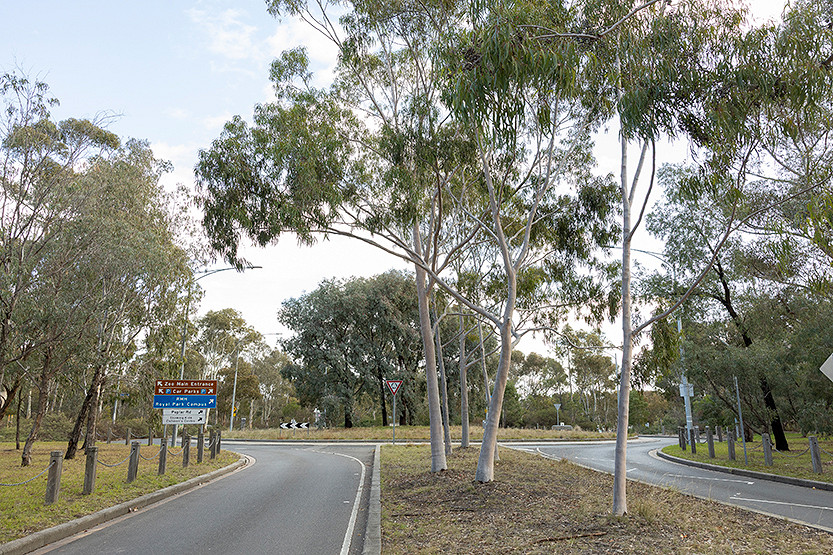

The City of Melbourne will progress to final stages of design for the Royal Park Master Plan, following community outcry over a draft released earlier this year.
The draft plan proposed transforming Lawn 7 – currently used as a recreation area – into sporting fields. However, local advocacy groups argued this was unnecessary and posed a threat to native wildlife.
At the Future Melbourne Committee (FMC) meeting on August 5, for the first time since facing local opprobrium, the council outlined its plan for redrafting the master plan.
It is currently reviewing feedback on the draft and preparing a brief of works for an external landscape architect.
Once a landscape architect is selected, they will undertake a peer review and gap analysis of the draft master plan and prepare a strategic landscape framework to address the identified gaps.
This framework will inform the updated master plan, which will be developed in close collaboration with City of Melbourne officers and communicated to the community.
The president of the Parkville Association, Rob Moore, welcomed the review and the amended timeline. However, he remains firm in his belief that the park’s biodiversity must be protected.
“We believe [that while] it's a step in the right direction, we need a full peer group review at a higher level, mainly because of the complexities involved,” he said.
Mr Moore would like to see consultation between the council and those involved with previous master plans, the Australian Institute of Landscape Architects (AILA), and external experts in biodiversity, ecology, heritage and lighting.
At the August 5 FMC meeting, Fiona Bell, president of the Protectors of Public Lands Victoria, echoed Mr Moore’s call for a comprehensive review.
Royal Park is our foremost bushland park and a unique piece of Victorian heritage. It’s a registered park, and the master plan is going to last for the next 20 years, she said.
Ms Bell highlighted the impact that increased lighting could have on native wildlife.
“Scientific evidence does show that artificial light at night has negative and even deadly effects on many creatures – including amphibians, birds, mammals, insects and plants,” she said.
Once the peer review and consultation period is complete, the final master plan is expected to be presented by June 2026.
During the consultation period earlier this year, a total of 151 unique written submissions was received by the City of Melbourne.
The council noted that community views on the expansion of sporting facilities were mixed, and this difference of opinion will be considered in the final plan.
Lord Mayor Nick Reece acknowledged that striking a balance between conservation and recreation remains the “trickiest” issue for the council moving forward.
“I think we've got a robust methodology … which will meet the issues that were raised in the submissions,” he said. •

Meet Ted – Brown Dog’s very own Brown Dog
New-look Joe Taylor brings Thai flavours to Errol St
 Download the Latest Edition