Council releases new draft Urban Forest Precinct Plans for Kensington, North and West Melbourne and Docklands
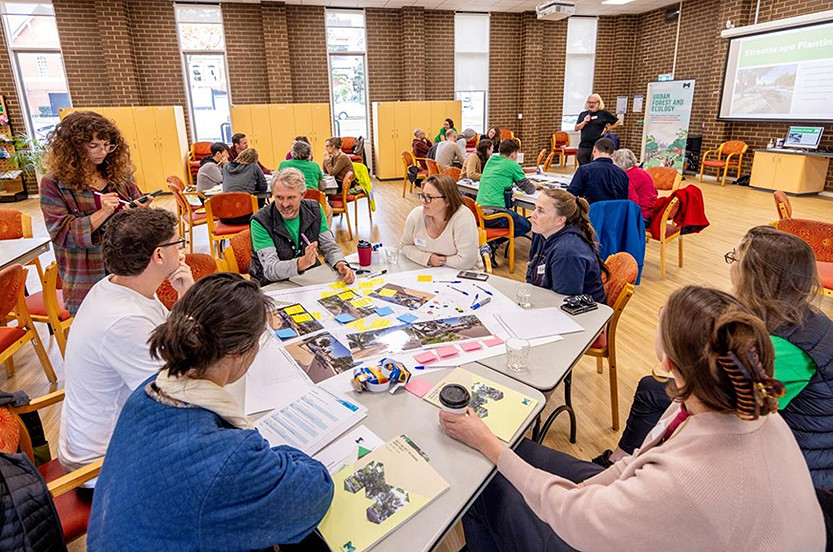

The City of Melbourne has taken another important step toward its goal of increasing tree canopy cover to 40 per cent across the municipality, unanimously voting on July 1 to release draft Urban Forest Precinct Plans for Kensington, North and West Melbourne, and Docklands for community consultation.
The draft plans mark the latest stage in the city’s 20-year Urban Forest Strategy, first adopted in 2012, which seeks to cool the city, enhance biodiversity, and improve health and wellbeing by strategically increasing tree cover in every neighbourhood. With final plans already endorsed for East Melbourne, South Yarra, the CBD and Carlton, the western fringe of the municipality is now in focus.
“Urban forests are living, breathing assets that help us deal with the impacts of climate change, reduce heat in our suburbs, and make Melbourne a better place to live,” the council’s environment portfolio lead Cr Davydd Griffiths said.
Speaking during the July 1 Future Melbourne Committee (FMC) meeting, Cr Griffiths highlighted the depth of community engagement that has already gone into shaping the drafts, recalling consultation sessions such as the one at Kensington Town Hall where three generations of one family mapped out the trees most meaningful to them.
“These are rich documents that will guide tree planting and care over the next decade, and it’s critical that our community has the chance to help shape them even further,” he said.
Each precinct plan is tailored to local conditions and community values. In Kensington, the vision centres on preserving the area’s unique character, heritage peppercorns, and fruit trees along the Stock Route while greening newer developments and creek corridors with more native species. Understorey planting and habitat corridors for wildlife are also key priorities, with targeted biodiversity plantings identified along several streets.
North and West Melbourne’s combined plan aims to strengthen the established tree avenues that define its streetscapes, while also improving biodiversity along waterways and rail corridors. Recognising the risk posed by pests like the sycamore lace bug, the plan proposes mixing species to avoid monocultures and create resilience, while maintaining the distinctive local character.
Docklands, a much newer precinct, presents both challenges and opportunities. While its canopy cover has increased significantly since 2001, much of its public realm remains exposed. The draft plan proposes connecting open spaces and waterways through biodiversity corridors, diversifying streetscapes with mixed evergreen and deciduous species, and protecting significant populations of trees against pests and pathogens.
The Docklands plan is especially focused on reducing monocultures and creating “breaks” in high-risk species to prevent large-scale losses to disease, with strategies informed by global best practice and local research trials.
Cr Andrew Rowse questioned why North and West Melbourne were combined into one precinct plan given their different land uses and canopy profiles. The council’s arborist explained that the decision was due to the small residential footprint of West Melbourne and its alignment with North Melbourne’s residential areas – but acknowledged that future iterations could consider splitting them if the community supported that.
Lord Mayor Nick Reece also endorsed the plans enthusiastically, noting the city’s “tree-thousand” target of planting 3000 trees annually to meet its canopy goal.
When you ask Melburnians what they love most about our city, our parks and gardens are top of the list,” he said. “We’re not going to let the future down. We’re putting in place an urban forest strategy that will deliver for Melburnians today and for future generations.
Cr Dr Olivia Ball urged residents to engage with the plans and help shape their streetscapes for the next decade.
“These are important, detailed documents that will help us get to 40 per cent canopy cover for the benefit of everyone,” she said. “We want the community to share their strong opinions and expertise to get this right.”
Community consultation on the draft Urban Forest Precinct Plans for Kensington, North and West Melbourne, and Docklands will be conducted via the Participate Melbourne website. Feedback gathered will inform the final versions of the plans, scheduled to return to the Future Melbourne Committee for endorsement in early 2026, with implementation to follow.
Meanwhile, community engagement is already under way for other neighbourhoods including Southbank, Parkville, and Fishermans Bend, as the city works precinct by precinct toward its long-term urban greening vision. •
Related Articles
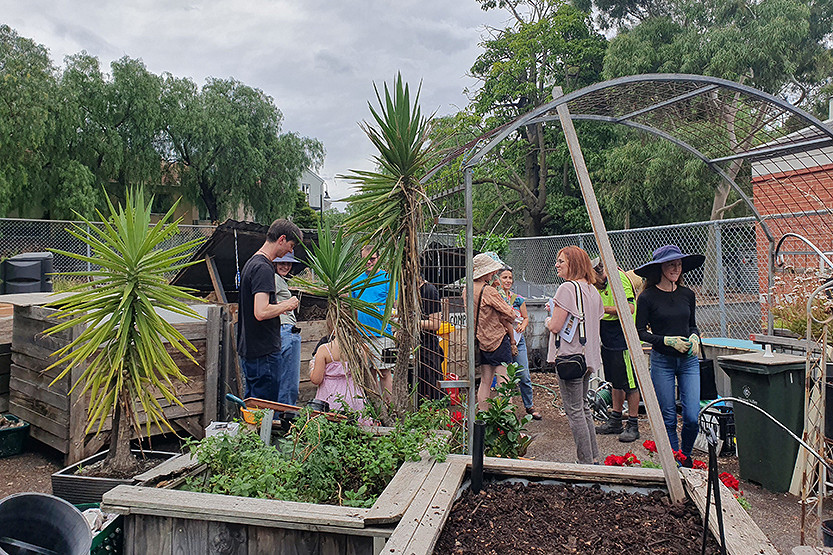
Compost critters reveal a complex picture
A group of local residents glimpsed and touched for themselves evidence of “the huge, complex food web under our feet” when they took part in an insect information session at a Kensington Compost Hub event last month.
Read More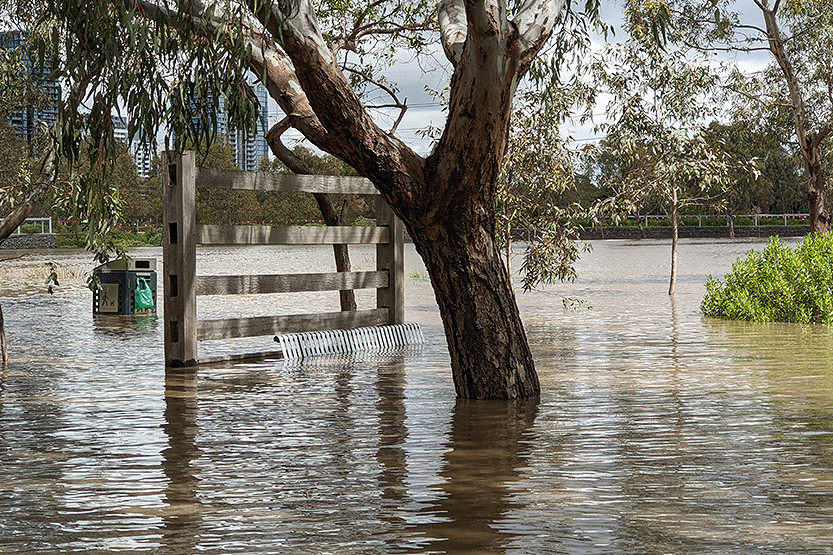
Federal funding boosts Maribyrnong flood-mitigation push
A long-awaited flood-mitigation plan for the lower Maribyrnong River is finally moving into its next phase, after the Albanese Government confirmed $700,000 in new funding to accelerate detailed assessment and implementation work.
Read More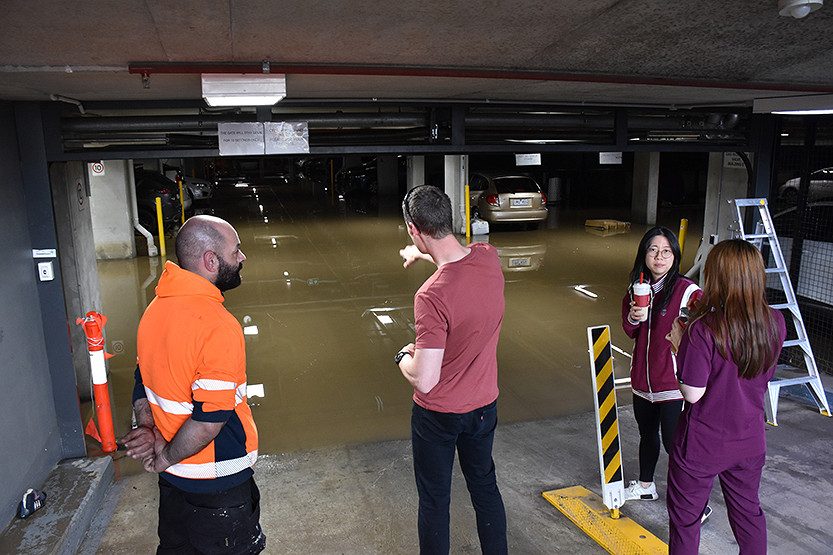
Flood mitigation study results revealed
A flood mitigation study conducted by Melbourne Water has revealed that protecting homes and enhancing emergency facilities are the top priorities for communities surrounding the Maribyrnong River.
Read More
All Things Equal: a café where inclusion comes first
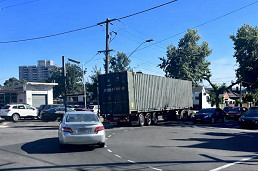
Council pushes for no-truck zones in Kensington as tunnel impacts deepen
 Download the Latest Edition