Extraordinary chef shares classic dish
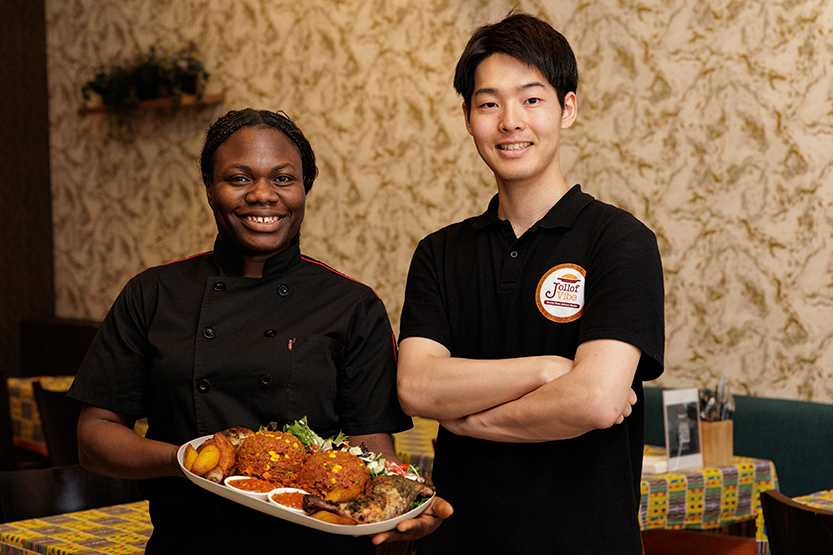
“If you're in a room with West Africans, and you want to start the conversation, just talk about who makes the best jollof,” says Evette Quoibia, the owner of Jollof Vibe.
The rice dish, a staple in countries of the region, from Mauritania to Nigeria, is prepared differently in each of them, and has become the subject of a good-natured rivalry.
Evette, who was serving it in a catering business she ran in Reservoir, noticed that at festivals and pop-up stalls it “just disappeared”.
“Everything else will be sitting there, and everybody just go crazy over the jollofs,” the 34-year-old told North West City News.
“It wasn't long [after that] I also heard about the jollof war on social media, and I said to myself, ‘why don’t you just have it all in the one place?’”
“‘Let's have a jollof vibe – all the most famous jollofs just in one place, and people can come and try for themselves’.”
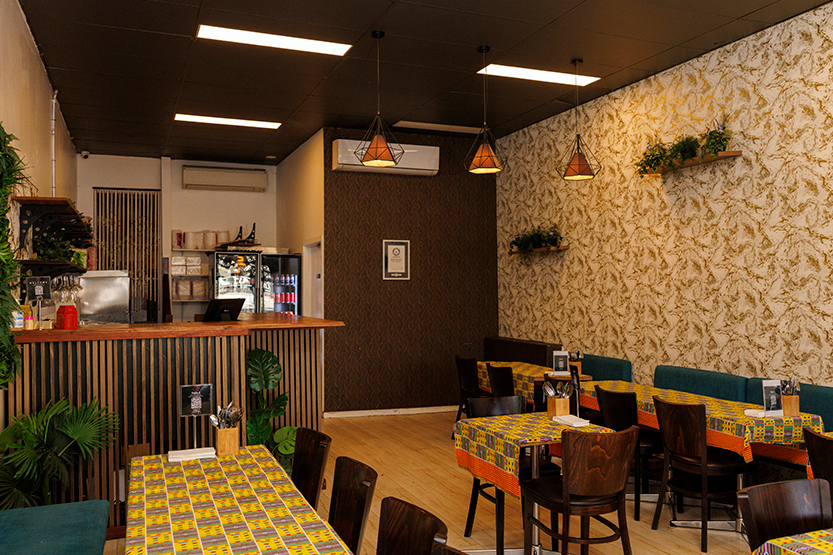
Running initially out of a Kensington garage, Jollof Vibe was well received and opened in Racecourse Rd in October last year.
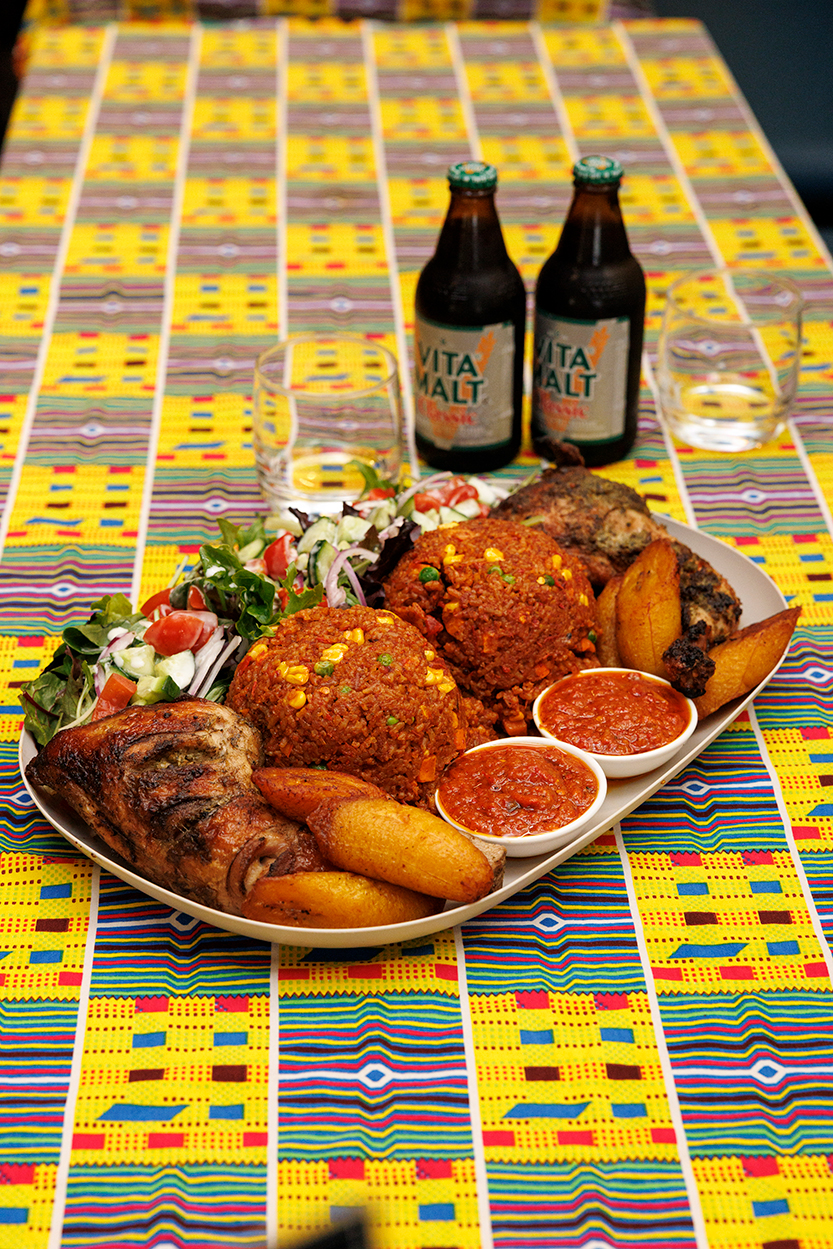
In addition to its rice speciality, the restaurant serves a range of beef, chicken, fish and eggplant stews, fried plantain and okra dishes, semolina, salads and fufu.
When it comes to ordering jollof, there are choices to be made.
The base of the dish is a tomato, onion and spiced sauce but beyond that there are many variations.
“The Liberians make it exactly like pilaf,” Evette says.
“We put the prawns, the meat, the vegetables and everything … usually jasmine rice, a lot of ginger and the base.”
“Then you go to the Nigerians, they cook it more plain, so they just put a bit of seafood flavour – prawn or crab fish powder – and they use Basmati rice, because they don't like the rice sticking together.”
“They cook the sauce together with the rice then they eat it with, like, spicy turkey, chicken, or meat with coleslaw salad.”
In Senegambia, the border region between Senegal and Gambia, where the dish originated, Evette says, it is made with “basically everything cooked in one pot”.
On the menu there are also Ghanaian, coconut, vegan and vegetarian jollofs.
While African diners occasionally grace the venue the majority of customers haven’t grown up with the food.
Awareness of different African food is growing thanks to social media, Evette says.
We actually attract more Aussies and Asians and different cultures because the Africans, they make this at home.
Evette herself, who was “conceived in Liberia” and born in the Ivory Coast, grew up making jollof.
The eldest of eight children and “the first girl”, she was taught by her mum to cook from a very young age and loved it.
But the idea of turning cooking into a career didn’t dawn on her until much later.
As a result of war, the family went through upheavals in both their home and adopted countries and spent five years in a Ghanaian refugee camp before coming to Australia through the UNHCR when Evette was 15.
As a teenager, put into Year 9 on the basis of her age despite a fragmented education, she found school “really, really frustrating”.
An English-as-a-second-language class eventually gave her basic skills for work, and she got her first job – at an abattoir in Braebrook.
“It prepared me for the kitchen, funnily enough,” she says.
“But it was hard work. Sometimes I’d come home with my hands swollen.”
As she continued to cook for her friends, family, church and cultural communities, one day something clicked.
Evette realised that her food brought happiness and she had some sort of gift for it.
“Whenever I made something, there was just some kind of joy brought to people, and I wanted to see more people happy with food,” she says.
Since having this realisation, she has worked hard on her dream.
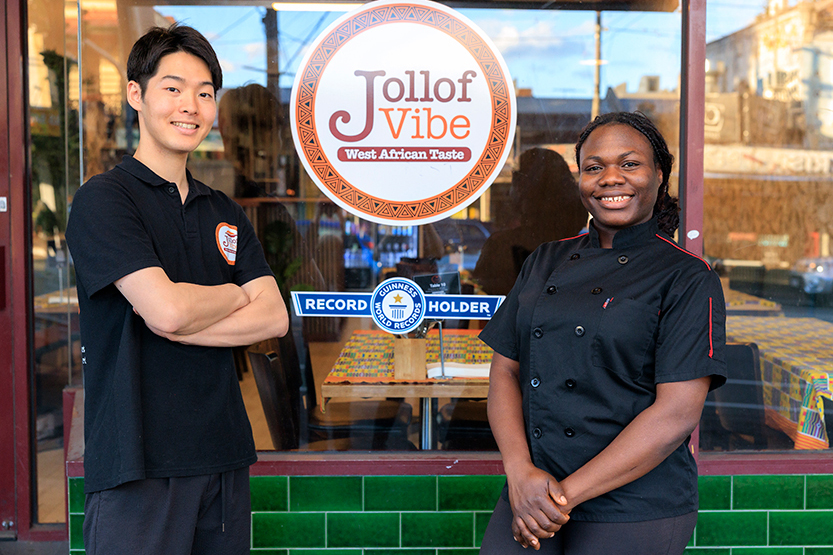
A year ago, she took the surprising step of renting a commercial kitchen and stocking up on masses of ingredients in order to challenge the Guinness World Record for individual “marathon cooking”.
The astonishing attempt saw her cook for six days straight, with just a 20-minute break every four hours, with the dishes she prepared fed to volunteers and supporters from her Liberian community, church and family, who gathered in the kitchen, dancing, singing and playing music.
The experience, although fun for a few days, involved a lot of hallucination and her body eventually “shutting down”, Evette says, but it was an opportunity to “do something big”, and she won the record.
Having since opened Jollof Vibe – the third, and most established, iteration of her West African cooking business – the determined young chef has hung her extraordinary qualification on the wall there.
“If I have a vision and dream for something I just don't kind of give up easily,” she says.
“I know it takes time and hard work, and eventually you see the results.”
Eat in or order online and pickup at Jollof Vibe, 268 Racecourse Rd, Flemington. •
Related Articles
All Things Equal: a café where inclusion comes first
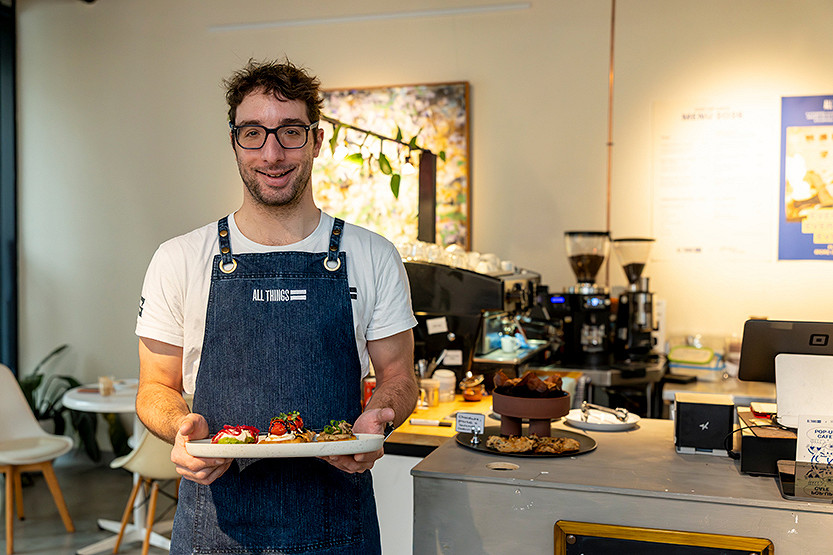
All Things Equal and GingerSnap have returned to West Melbourne with their second pop-up café, now operating five days a week and offering six trainees with disabilities the chance to build real-world hospitality skills in a live café environment.
Read More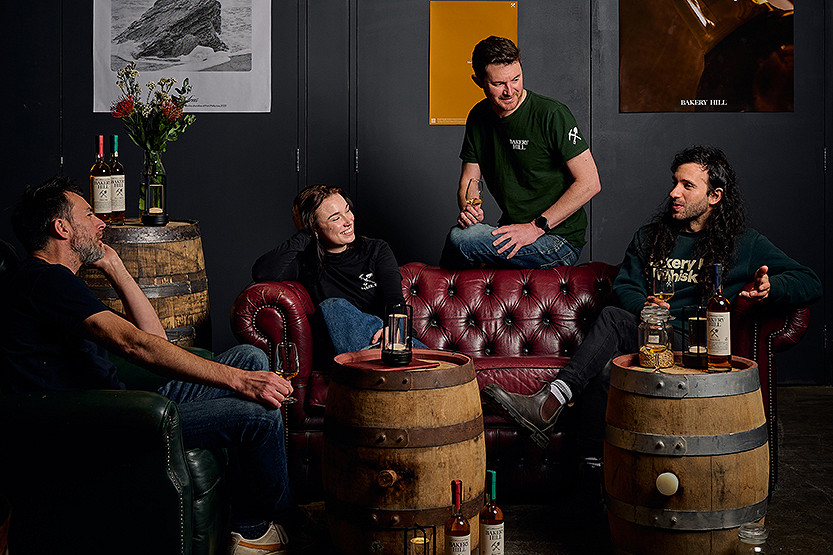
Kensington’s Bakery Hill offering new whisky tours
A boutique family-owned whisky distillery in the heart of the north-west is offering peeks into the creation of its enticing beverages as well as tastes, tales, learnings, atmosphere and a general love for the drink.
Read More
Studio Vico
Sylvia Hungria has always been drawn to the power of good design.
Read More
All Things Equal: a café where inclusion comes first
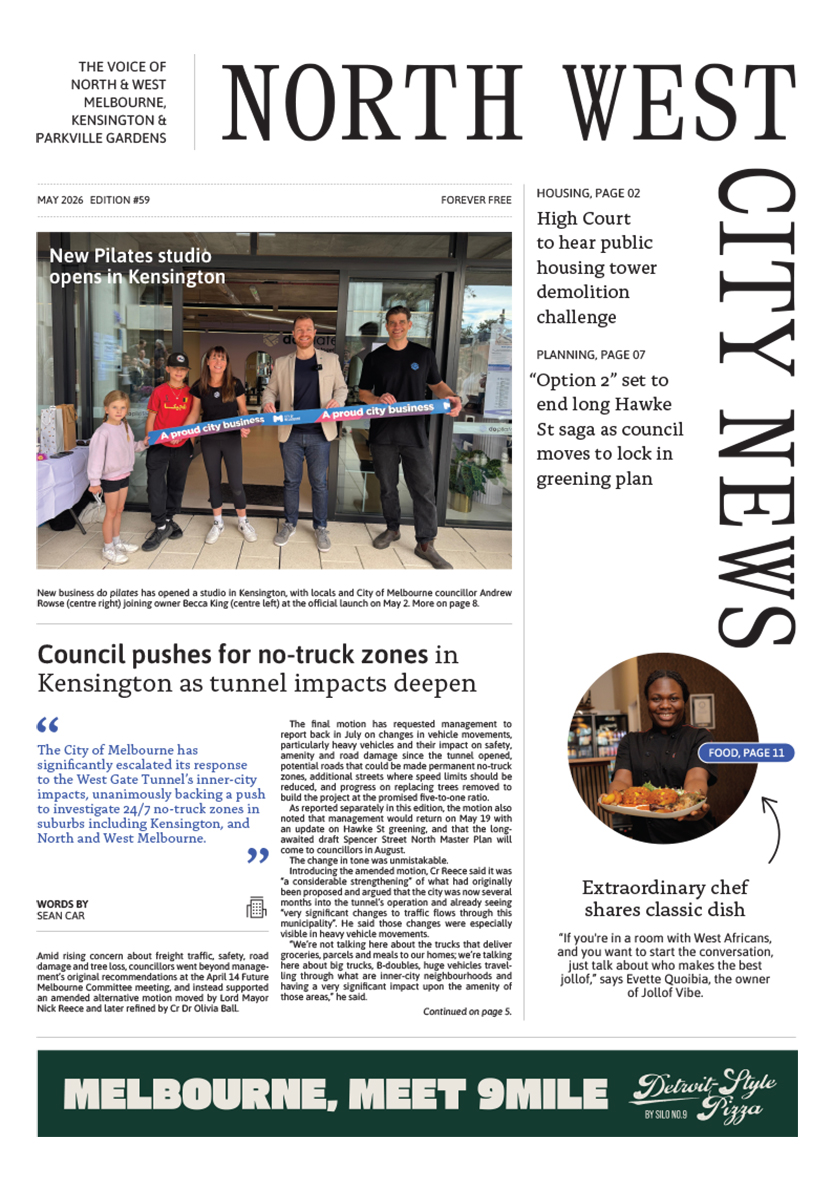
Council pushes for no-truck zones in Kensington as tunnel impacts deepen
 Download the Latest Edition