Harvesting rainwater in the city
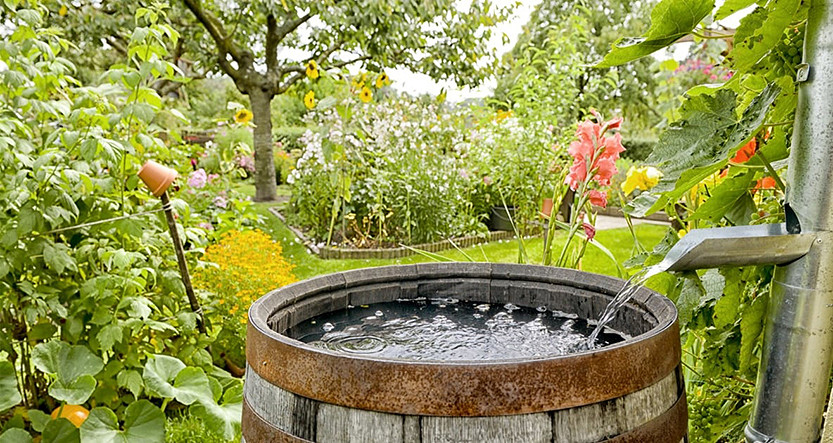

In Melbourne our rainy season is usually in spring, a perfect time to build up the ground water for summer so that plants can be hydrated during the warmer months.
According to the Bureau of Meteorology, Melbourne receives rain throughout the year with October typically Melbourne’s wettest month, with the highest average monthly rainfall, followed by November.
Unfortunately, about 60 per cent of the ground in Melbourne is covered with impervious surfaces (cement, roads, roofs) which creates runoff and stops the natural water cycle.
By harvesting rainwater ourselves we capture and store this precious resource thereby reducing the demand on city water, reducing impacts on our waterways, creating resilience and saving ourselves a few dollars.
Rainwater harvesting is the process of collecting, storing, and using rainwater from rooftops and other surfaces instead of letting it go to waste. It supplements or replaces existing water sources and is used mostly for non-drinking purposes like garden watering, washing clothes and toilet flushing.

It's important to consider the water that is available to you; just as plants grow to utilise all of the sun in an area, we can capture and utilise all of the water on our block.
Permaculture methods for harvesting rainwater focus on slowing, spreading, and sinking water, using both passive and active systems.
In the city there are a couple of ways we can harvest rainwater. Firstly, we can capture the water simply by putting buckets out or moving pot plants out when it rains. We can also divert water from the stormwater downpipes into our gardens and installing rainwater tanks are other good ways of harvesting this precious resource.
For a rooftop you can set up gutters and downspouts to channel water into a storage tank or a perforated pipe that distributes it across a garden.
Another important way to harvest rainwater is to capture it in the soil. Living soil i.e. soil with lots of microbes and organic matter, can hold water more than bare and disturbed soil. Designing driveways and pathways to be permeable allows water to infiltrate.
When land is covered in trees and plants, the roots slow and capture the water. Digging water-catching trenches that follow the lands shape can redirect little overflows in your garden, slowing and sinking it into your soil, where it can be absorbed by tree roots and plants.
Notice where the rain pools on your garden and you can direct this via little trenches to your garden beds.
With climate change we can expect increased intensity and frequency of heavy rainfall greater variability and shifts in rainfall patterns, this will lead us to find more measures to slow this intensity down. •
Related Articles
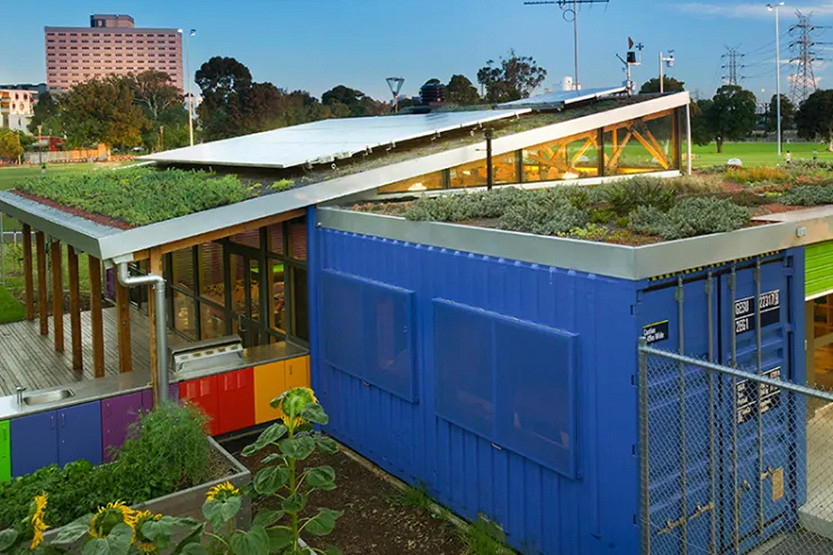
Cooling our neighbourhoods
Changes in land cover due to increased urbanisation can affect the urban environment and climate substantially.
Read More
Are Indigenous decision-making processes required for new technological advances?
Indigenous decision-making processes have historically demonstrated high effectiveness through community-based, consensus-driven, and long-term sustainable approaches that have enabled resilience over thousands of years.
Read More
The good news …
With powerful nations rolling back climate protections, temperatures soaring and extreme weather conditions increasing, eco-anxiety is on the increase.
Read More
All Things Equal: a café where inclusion comes first

Council pushes for no-truck zones in Kensington as tunnel impacts deepen
 Download the Latest Edition