Kensington ghost bike symbol of human cost, advocate says
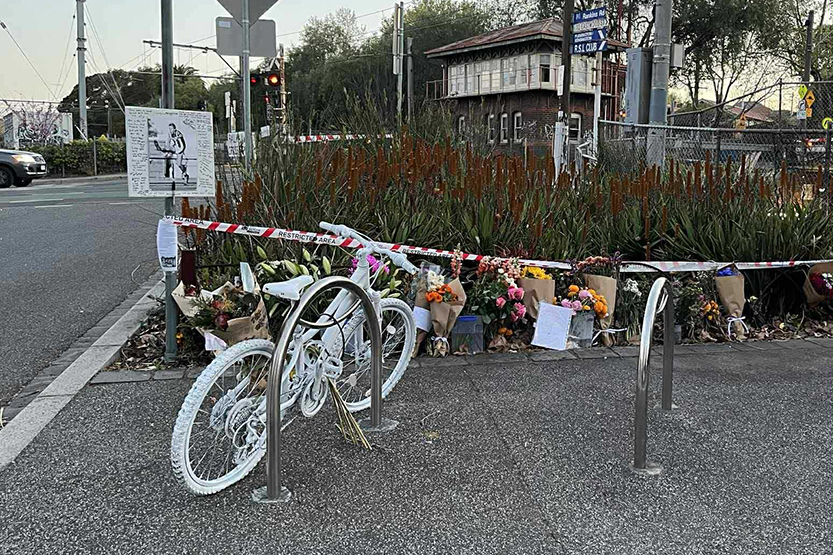
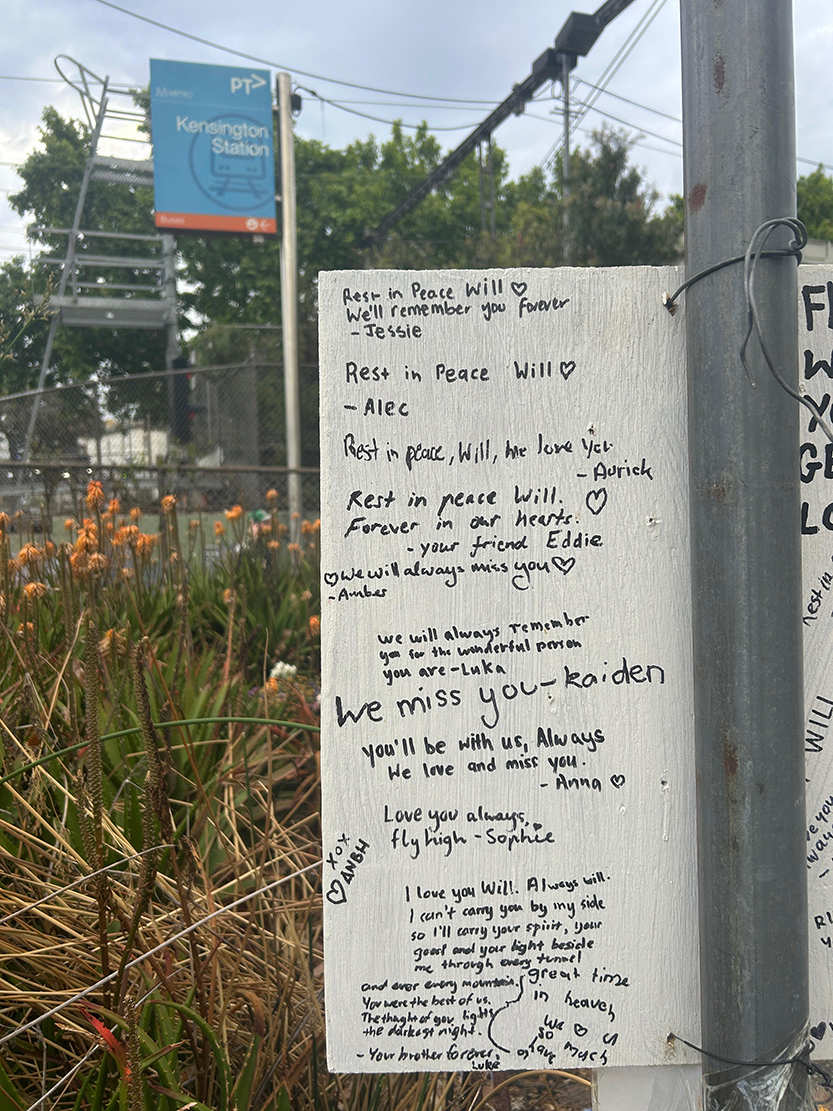
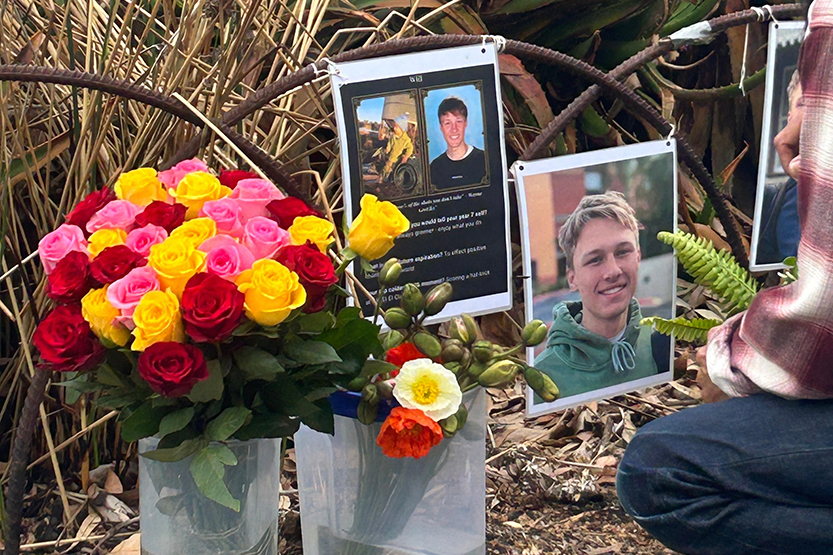
The disappearance of a white-painted “ghost bike” memorialising Kensington crash victim Will Richter has prompted a message from a cycling advocate to the City of Melbourne about the importance of remembering the victims of fatal bike crashes.
The council has been challenged on its handling of ghost bikes – decommissioned white-painted cycles left at the site where a rider has died – in the wake of the recent disappearance of one such street memorial – to Melbourne university student Will Richter, who died after being hit by a truck in Kensington last year.
Cycling advocate Aaron Moon raised the issue at a Future Melbourne Committee meeting last month, telling councillors the ghost bike commemorating the 19-year-old at the corner of Macaulay and Rankins roads in Kensington had disappeared.
Other ghost bikes, in particular one in Swanston St, had been removed by City of Melbourne workers and ended up in lost property, he said.
Mr Moon asked whether, given the council’s commitment to protecting memorials – which it discussed at a meeting earlier this year – it would recognise “informal road death memorials such as ghost bikes as legitimate memorials worthy of protection and respectful treatment”.
“Much like flowers, these white bicycles mark a life lost and serve as a quiet reminder of the human cost with our road trauma,” he told the council.
“For grieving families, friends and the broader cycling community these memorials are deeply meaningful.”
“These bikes are an act of remembrance for them.”
In response, Lord Mayor Nick Reece said there was an informal council policy of leaving ghost bikes in place for “a period of time” before removing them.
This was due to a requirement to balance the needs of pedestrians, cars, bikes, street life and visitors, Cr Reece said.
He added that the bikes couldn’t be approved as memorials because they didn’t fall within the scope of a council “plaques and memorials” policy.
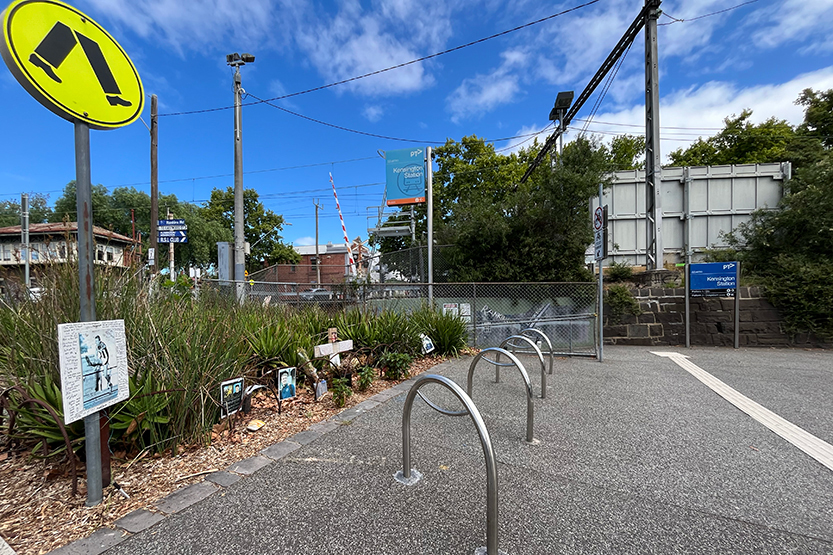
However, the Lord Mayor seemed to decide on the spot that the treatment of the bikes ought to be reviewed.
“At the very least we should have a position at the City on something as important as this,” he said.
Speaking to North West City News after the meeting, Mr Moon reiterated that the ghost bike phenomenon was part of a longstanding global movement, whose primary purpose was “to highlight that the roads people ride on are not safe enough at the current time”.
The council’s argument that footpaths were too crowded to accommodate them felt like “a bit of strawman argument,” Mr Moon said, pointing to the use of bikes by “a lot of businesses”, which locked them to metal bike hoops in the street to display advertising material – a practice he claimed the council wasn’t clamping down on.
The ghost bike on Swanston St which the council had removed memorialised Parkville resident Carolyn Rawlins, who was “crushed by a tourist bus” in 2008, he said.
“It’s devastating for everyone when a 33-year-old 12-week pregnant woman dies on Swanston St. It should be remembered by everyone.”
Likewise, Will Richter’s tragic death, en route from a birthday celebration to university on September 22, should be remembered and should provide impetus for improved road safety, he said.
Mr Moon said the council had started well with its Transport Strategy 2030 policy of building 50km of divided bike lanes on council roads with about 25km now installed. However, he claimed it had “shied away” in recent times from progressing it.
The month after Will’s death, dozens of cyclists took part in a Critical Mass ride that paused at the Macaulay Rd crash site before continuing on to Melbourne University to complete the 19-year-old’s intended journey that day – an action Mr Moon described as positive but extremely sad. •
Related Articles
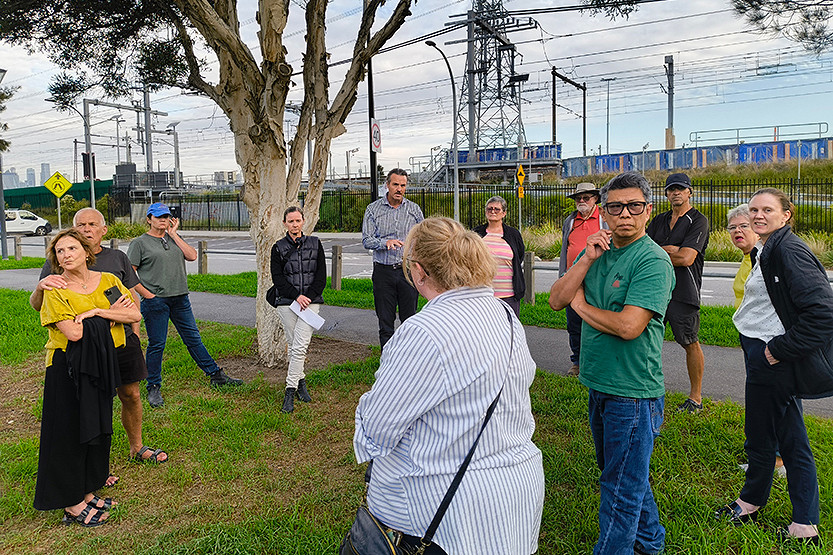
Residents press Metro Tunnel team over rail noise near South Kensington
Kensington residents have stepped up their campaign over noise from the new Metro Tunnel entrance near South Kensington Station, with a recent community meeting laying bare ongoing frustration about rail squeal, delays in responses and limited access to monitoring data.
Read More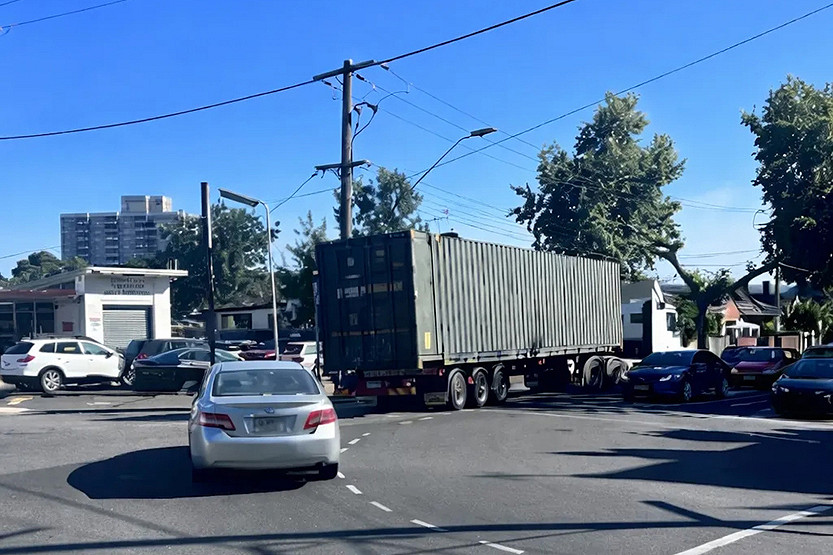
Kensington residents call for truck ban as petition gains traction
A growing number of Kensington residents are calling for heavy trucks to be banned from Kensington Rd, arguing that increasing freight traffic through residential streets is putting safety and amenity at risk.
Read More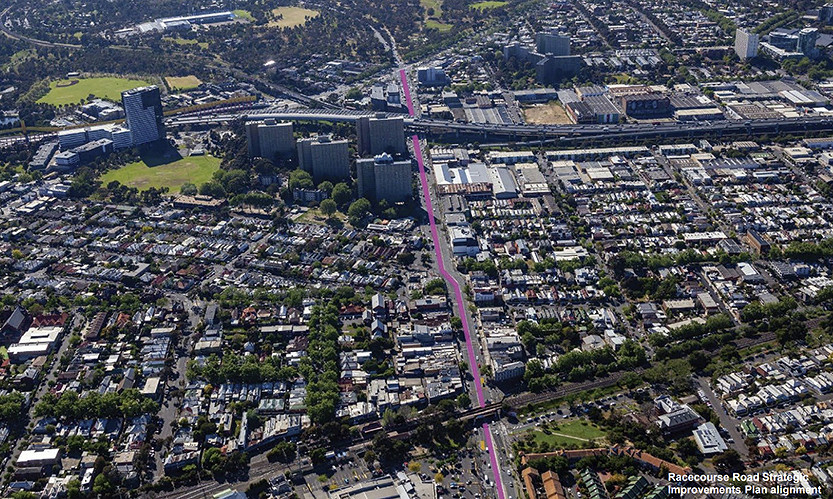
Lord Mayor calls to end Racecourse Rd “complexitron” as council backs strategic update
Melbourne Lord Mayor Nick Reece has called for Racecourse Rd to be brought under the control of a single council, arguing that the current split between the City of Melbourne and the City of Moonee Valley has created an unnecessary “complexitron” that is holding back one of the city’s most important corridors.
Read More
All Things Equal: a café where inclusion comes first
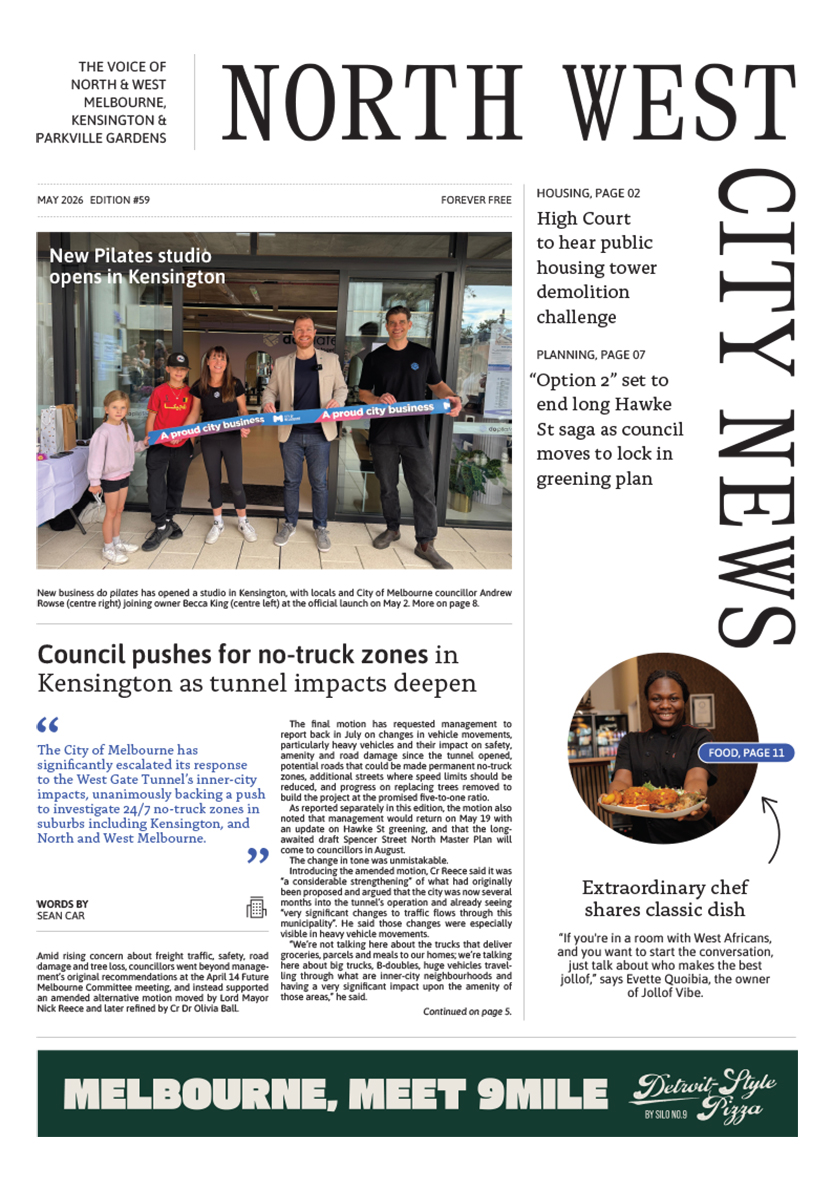
Council pushes for no-truck zones in Kensington as tunnel impacts deepen
 Download the Latest Edition