Kensington residents call for truck ban as petition gains traction
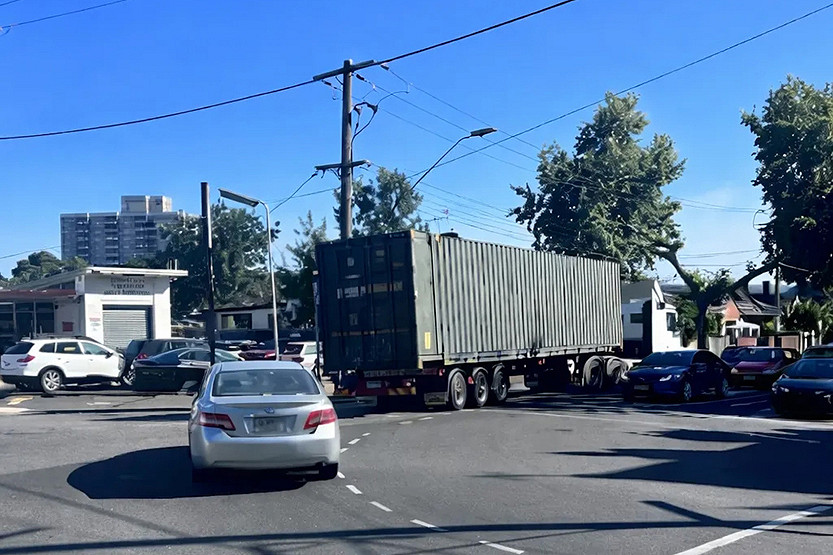

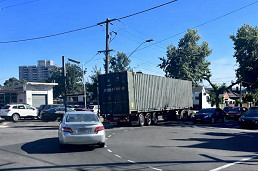
A growing number of Kensington residents are calling for heavy trucks to be banned from Kensington Rd, arguing that increasing freight traffic through residential streets is putting safety and amenity at risk.
The local campaign group Kensington Trucks has launched a petition urging authorities to rezone Kensington Rd between Epsom Rd and Hobson Rd as a No Truck Zone, a move supporters say would redirect heavy vehicles away from residential areas and onto major freight routes.
The petition had already attracted more than 900 signatures at the time of publishing, reflecting mounting concern among residents about the impacts of truck traffic in the inner-north neighbourhood.
Campaign organisers say truck movements have increased in recent years as freight routes have shifted across Melbourne’s inner west, with nearby truck bans and changing traffic patterns pushing heavy vehicles through Kensington’s residential streets.
Kensington and Epsom Rd are vibrant residential areas, but trucks in our area have become a safety concern for many residents, the petition states.
“The installation of no truck zones in surrounding suburbs has unfortunately diverted heavy truck traffic through what is primarily a residential area.”
Residents say the problem is particularly acute along Kensington Rd, which passes close to schools, childcare centres, parks and community facilities.
The road runs alongside the Kensington Community Aquatic and Recreation Centre and within walking distance of several schools and playgrounds, areas where residents say large freight vehicles pose heightened risks.
“As a parent and community member, it's heartbreaking to see little children and families navigating their way around speeding trucks,” the petition states.
“The constant thrum of heavy vehicles reverberating through the neighbourhood is both jarring and dangerous.”
Campaigners argue that trucks are inherently more dangerous in residential environments because of their size, weight and longer stopping distances.
They are calling for heavy vehicles to be redirected to major arterial roads and freight corridors instead.
One option proposed by the group is to rely more heavily on the West Gate Tunnel, the $10 billion road project designed in part to shift freight traffic away from inner-west residential streets.
“Rezoning Kensington Rd as a No Truck Zone is not only sensible – it’s necessary,” the petition states.
“By taking this action, we can redirect truck traffic to more suitable roads such as the West Gate Tunnel, which was designed to handle such vehicles.”
The group has also released a proposed traffic map outlining how truck access could be maintained to industrial areas near the Maribyrnong River while restricting through-traffic on residential streets.
Under the concept, trucks would continue to access local industrial sites via designated routes while through-traffic would be diverted away from Kensington Rd.
The issue comes amid ongoing monitoring of traffic patterns following the opening of the West Gate Tunnel, with governments seeking to understand how freight and commuter traffic is redistributing across the inner-city road network.
Up to $100 million has been allocated to manage traffic impacts associated with the project through the Transport Amenity Program (TAP), a joint initiative between the Department of Transport and Planning and the City of Melbourne.
The program is intended to improve local streets and discourage motorists from using residential roads as shortcuts once the tunnel opened.
In September and October last year, interim traffic measures were installed at several intersections across North and West Melbourne to test how changes might influence traffic flow.
Authorities are now monitoring traffic patterns and collecting community feedback to help shape permanent traffic solutions.
As part of that process, residents have been invited to complete a survey through the Engage Victoria platform outlining how recent intersection changes are affecting their neighbourhood.
The survey is open until 11.59pm on March 16, with the government expected to return later this year with proposed long-term traffic management measures.
Despite the program’s ambitions, it has also attracted criticism from some community groups and residents who say the promised funding has been slow to translate into meaningful changes on the ground.
Local advocates argue the Kensington truck issue highlights the need for clearer freight management planning across the inner west.
They say that while major infrastructure projects like the West Gate Tunnel are designed to improve freight movement, local streets can still bear the brunt of unintended traffic diversion if appropriate restrictions are not put in place for trucks avoiding the toll route.
The Kensington Trucks campaign is encouraging residents to both sign the petition and provide feedback through the Transport Amenity Program survey.
Organisers say demonstrating strong community support will help ensure the issue receives serious attention from decision-makers.
“Let’s stand together for the safety of our children and our community,” the petition states.
“By urging authorities to zone Kensington Road as a No Truck Zone, we can make Kensington a safer and more peaceful place for everyone.” •
Related Articles
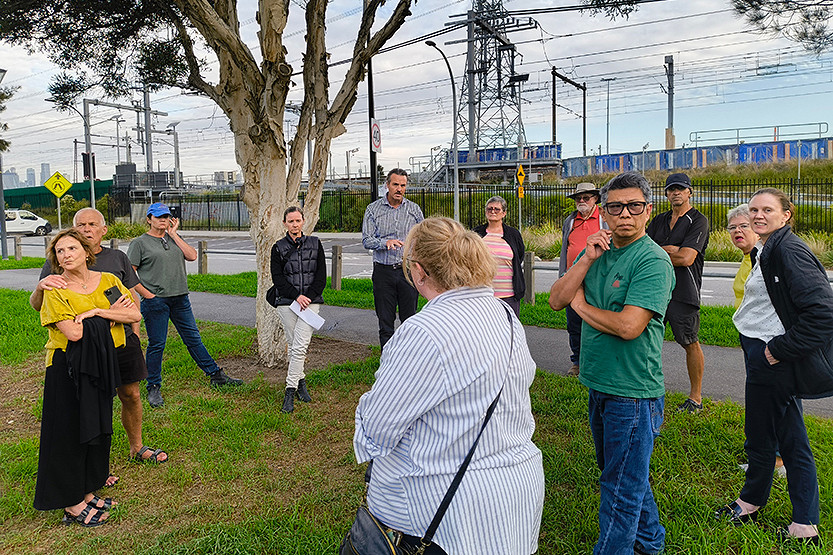
Residents press Metro Tunnel team over rail noise near South Kensington
Kensington residents have stepped up their campaign over noise from the new Metro Tunnel entrance near South Kensington Station, with a recent community meeting laying bare ongoing frustration about rail squeal, delays in responses and limited access to monitoring data.
Read More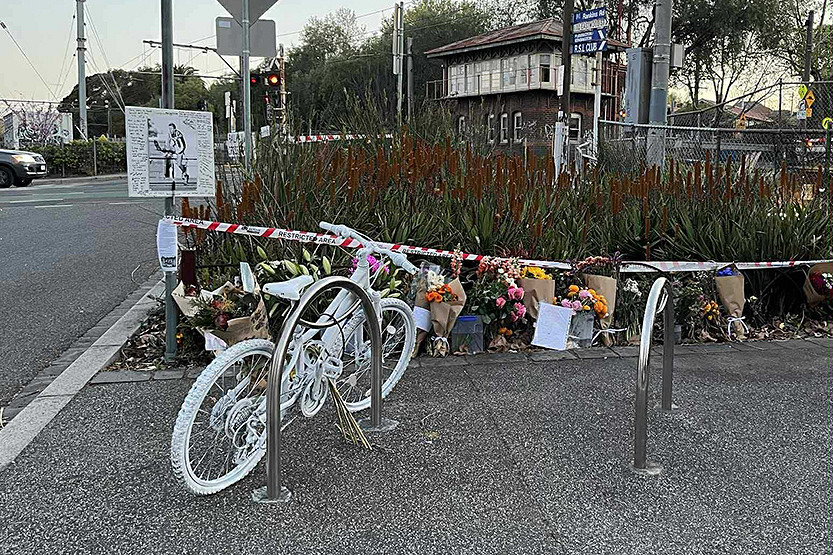
Kensington ghost bike symbol of human cost, advocate says
The disappearance of a white-painted “ghost bike” memorialising Kensington crash victim Will Richter has prompted a message from a cycling advocate to the City of Melbourne about the importance of remembering the victims of fatal bike crashes.
Read More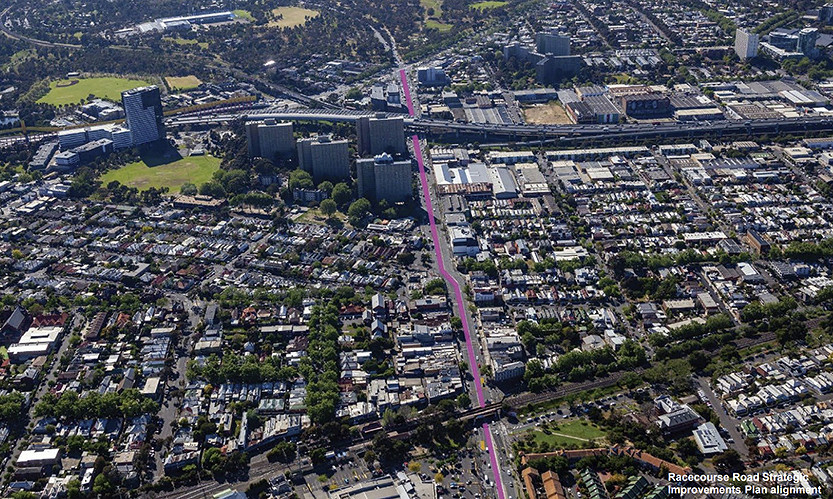
Lord Mayor calls to end Racecourse Rd “complexitron” as council backs strategic update
Melbourne Lord Mayor Nick Reece has called for Racecourse Rd to be brought under the control of a single council, arguing that the current split between the City of Melbourne and the City of Moonee Valley has created an unnecessary “complexitron” that is holding back one of the city’s most important corridors.
Read More
All Things Equal: a café where inclusion comes first
Council pushes for no-truck zones in Kensington as tunnel impacts deepen
 Download the Latest Edition