North and West Melbourne: growing with community at the centre
North Melbourne and West Melbourne sit on the edge of the CBD, but they are communities with identities all their own, shaped by history, diversity and a strong sense of local connection.
Over the past few months, I’ve spent time across both neighbourhoods meeting with residents, small businesses and community organisations, and hearing directly about the opportunities and challenges they see ahead.
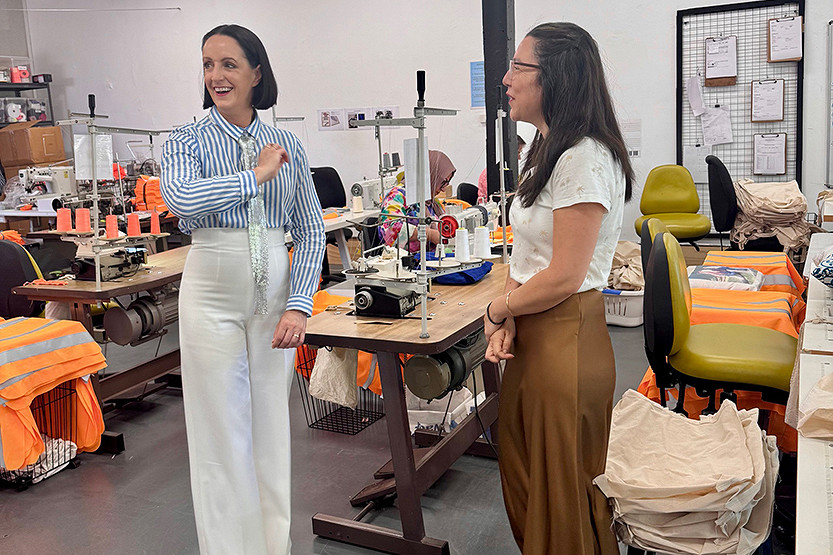
In North Melbourne, there is a deep sense of continuity. Long-term residents, many with strong ties to the area, live alongside newer arrivals drawn by its proximity to the city and its village feel. There are also incredible businesses and organisations here, including Assembled Threads, a social enterprise helping long-term unemployed people access training and work. Walking through Errol St and the surrounding area, I’ve spoken with traders who are proud of the suburb’s local character, but also mindful of the pressures they face. Rising costs, changing customer patterns and broader economic uncertainty are all part of the conversation.
At the same time, North Melbourne is home to significant public housing communities, where the focus is often on stability and support. Residents and service providers have spoken to me about the importance of maintaining community connections, particularly as discussions about redevelopment and renewal continue. Change is inevitable, but it needs to be managed in a way that respects the people who have built their lives here.
In West Melbourne, the story is one of transition. With new developments reshaping parts of the suburb, there is a sense of momentum, but also a need to ensure growth is matched with infrastructure. Residents have raised issues around traffic, pedestrian safety and access to public transport. These are practical concerns, but they go directly to quality of life.
Small businesses in West Melbourne have also shared their experiences, particularly around the challenge of establishing themselves in a changing environment. There is optimism about the future, but also a recognition that activation will be key to long-term success.
Across both suburbs, housing remains a central issue. Whether it is protecting existing public housing, increasing the supply of affordable homes, or ensuring new developments contribute to a balanced community, the need for thoughtful planning is clear. People want to see growth, but they also want to see fairness and inclusion.
Open space and community infrastructure are also front of mind. From local parks to neighbourhood centres, these are the places where connections are built and maintained. As density increases, access to these shared spaces becomes even more important.
In Parliament, I’ve been working to reflect these local priorities in national discussions. Investment in housing, support for cost-of-living pressures and funding for essential services all have a direct impact here. But just as importantly, it’s about making sure the voices of North and West Melbourne are part of the conversation.
What stands out to me most is the level of community engagement. People care deeply about where they live and are actively involved in shaping its future. That engagement is a strength. It helps ensure that change is guided by local knowledge and lived experience.
North Melbourne and West Melbourne are both evolving, but they are doing so on strong foundations. The challenge is to build on those foundations in a way that keeps these suburbs inclusive, connected and true to their character.
That’s what I’ll continue to focus on: listening, representing and working towards outcomes that reflect the priorities of the people who live and work here. Because ultimately, the success of these neighbourhoods will be measured not just by growth, but by the strength of the communities at their heart. •
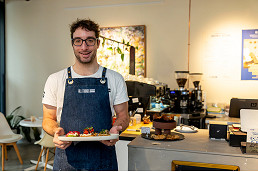
All Things Equal: a café where inclusion comes first
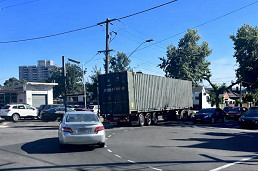
Council pushes for no-truck zones in Kensington as tunnel impacts deepen
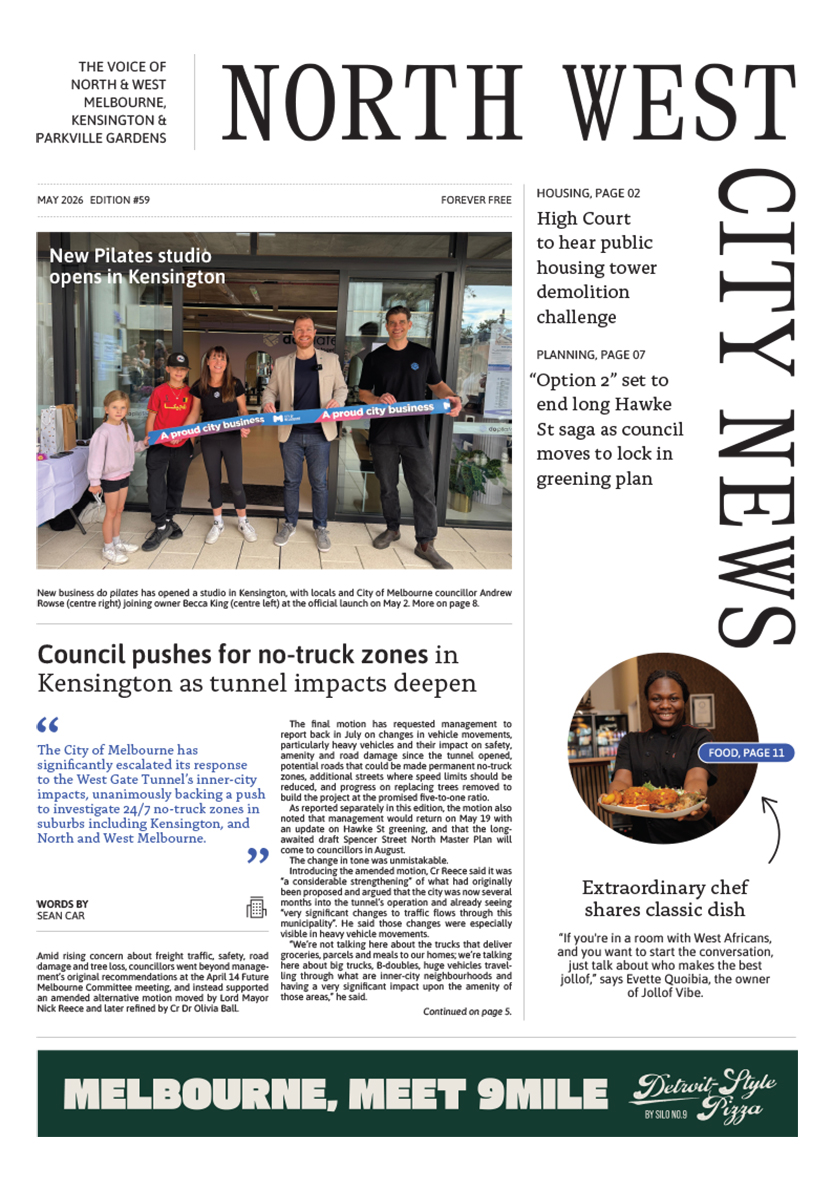 Download the Latest Edition