Real versus fake Christmas tree. Which one is better for the environment?
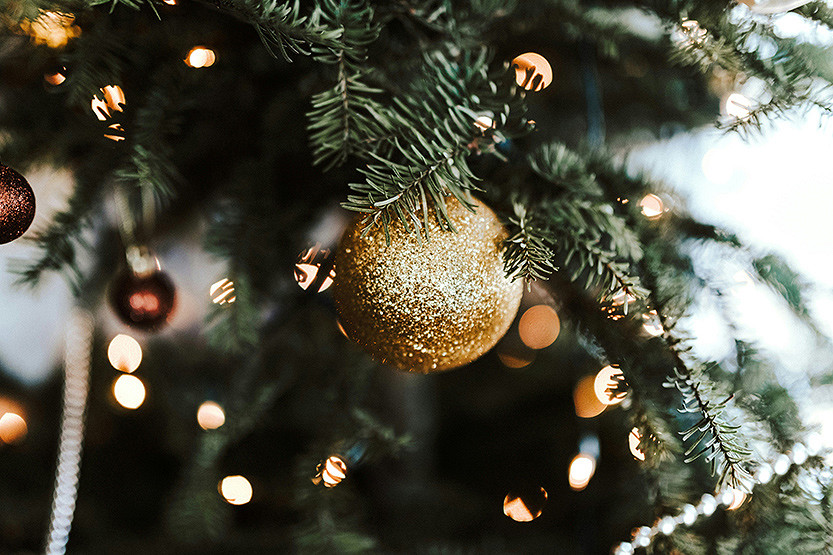

If you celebrate Christmas, Christmas trees are an important symbolic feature of this celebration. Traditionally they offered hope during the long harsh winter months and became a family ritual of decorating and spending time together.
Many households consider whether to purchase a Christmas tree and, if so, must choose between an artificial one or a real one.
Some would say don’t buy one at all, as Christmas trees have become symbols of consumerism with all the baubles, tinsel, lights that go into decorating them.
The ongoing discourse on the environmental implications of real versus artificial Christmas trees is multifaceted as either comes with an environmental cost. Here is some information to help you navigate the tricky choices if you want to factor sustainability into your decision.
Carbon footprint
According to Earth.org a two-metre-high real Christmas tree carries an average carbon footprint of about 3.5 kilograms, which can rise to 16 kilograms of CO2 emissions if they are left to decompose in landfills. Plastic trees with a similar height of two metres, are estimated to have a carbon cost of 40kg, which means you would need to use a plastic tree for at least 12 months to match the eco-friendliness of a real Christmas tree.
Biodegradable
Real Christmas trees are biodegradable and can be composted and repurposed as mulch or timber. While the Christmas trees are growing, they contribute to the natural ecosystem by providing habitat/shelter for various animal species, release oxygen and sequester carbon dioxide. However, many of these trees are harvested before they reach their full carbon sequestration potential.
Artificial Christmas trees are predominantly made from petroleum-based plastics like polyvinyl chloride (PVC) and metal. This makes the plastic ones non-biodegradable and non-recyclable, contributing to landfill at the end of their use or life cycle, which releases more greenhouse gases and toxic chemicals into the environment.
As well, the manufacturing process of artificial Christmas trees embodies more fossil fuels into the tree.
Ecosystem impact
The high demand for real Christmas trees impacts native ecosystems, especially in regions where these tree species are not native as more water, herbicides, pesticides and fungicides are used to promote tree growth for optimal harvesting. Land is cleared for plantations, disrupting the natural balance and harming the local environment.
Real Christmas trees may be greener, but their mass production can harm natural ecosystems.
Still, some Christmas trees are more sustainable than others. For an earth friendly Christmas tree, choose a potted living one, a purpose grown tree that gets composted/ mulched, paint branches, driftwood or even cardboard, reuse artificial trees for years or rent one.
Use natural decorations like wood, recycled glass, use energy efficient LED lights and always opt for compost, reuse over landfill.
If you have already brought a Christmas tree, think of this for next year.
Enjoy a safe festive season. •
Related Articles
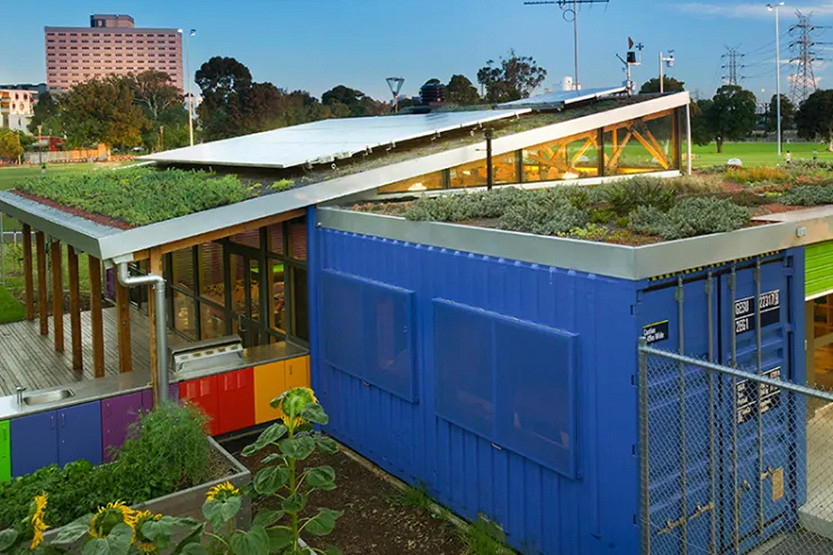
Cooling our neighbourhoods
Changes in land cover due to increased urbanisation can affect the urban environment and climate substantially.
Read More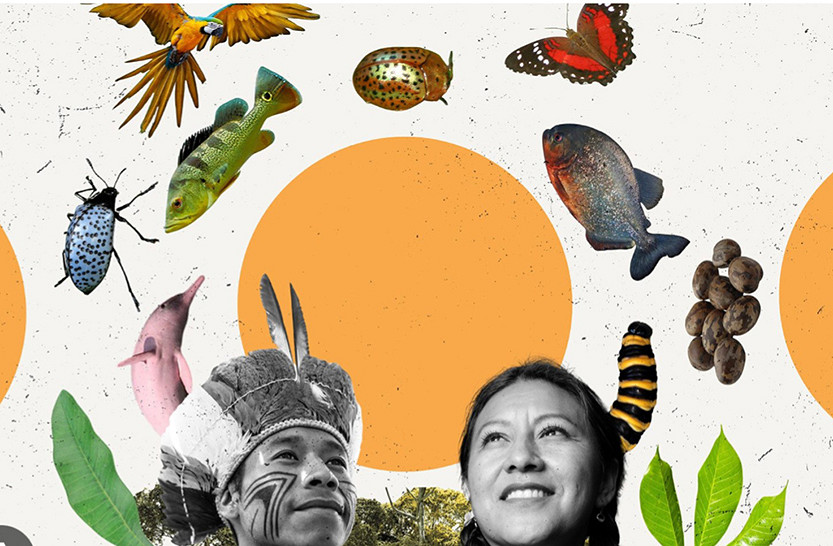
Are Indigenous decision-making processes required for new technological advances?
Indigenous decision-making processes have historically demonstrated high effectiveness through community-based, consensus-driven, and long-term sustainable approaches that have enabled resilience over thousands of years.
Read More
The good news …
With powerful nations rolling back climate protections, temperatures soaring and extreme weather conditions increasing, eco-anxiety is on the increase.
Read More
All Things Equal: a café where inclusion comes first
Council pushes for no-truck zones in Kensington as tunnel impacts deepen
 Download the Latest Edition