The rise of second-hand shopping
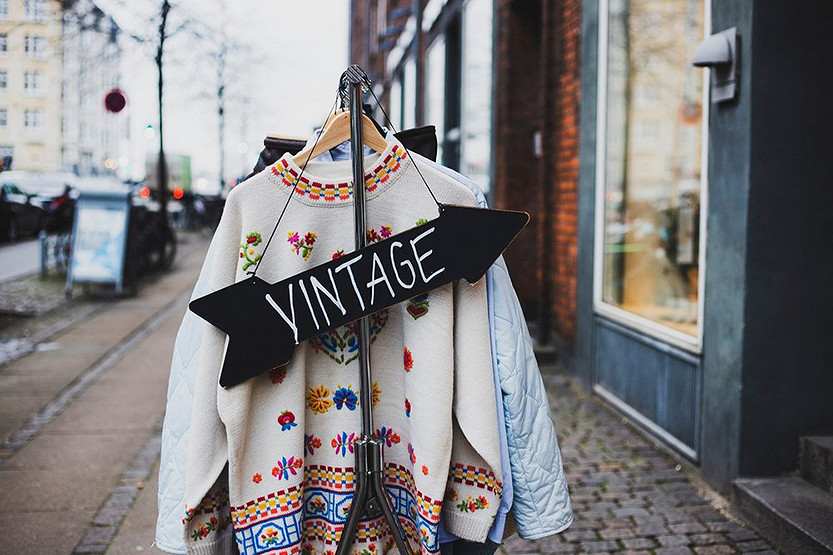

In 2025, one of the most prominent global trends in sustainability is the significant increase in second-hand purchasing and the reuse of products and materials.
This movement is gaining momentum due to its ability to substantially lower the environmental impact tied to manufacturing and transporting new goods and the savings it offers to consumers.
A study found that 72 per cent of Australians purchased a second-hand item in the past year, with many preferring thrift stores and online platforms like Depop.
One of the main drivers is consumers awareness of the environmental impact of their purchasing decisions, particularly in the fashion industry.
According to Credence Research, the second-hand clothing market in Australia is experiencing significant growth, valued at USD $578.10 million with projections to reach USD $1598.37 million by 2032.
Notably, 42 per cent of second-hand shoppers are between the ages of 18 and 37.
Victoria at 30 per cent is the second highest contributor to this national market. Melbourne, known for its vibrant and diverse fashion scene, is at the forefront of this trend. According to research, the city’s residents exhibit a high level of environmental consciousness and a desire for unique fashion finds, fuelling the demand for second-hand clothing.
Fast fashion, known for its rapid production and disposal cycles, contributes heavily to waste and pollution. It is responsible for up to 10 per cent of global carbon dioxide emissions and makes up 20 per cent of all plastic produced annually, much of which is found in polyester fabrics.
Choosing second hand clothing over new can reduce carbon dioxide emissions by an average of 25 per cent. This shift towards sustainability is expected to continue to drive this market growth.
Second-hand clothing is also more affordable making it appealing in times of economic uncertainty or for budget conscious consumers. The desire for unique fashion finds and personal style expression is another significant driver
Today’s consumers, particularly younger demographics, are increasingly seeking ethical, high-quality clothing that reflects their values around sustainability, transparency, and social responsibility.
As consumer expectations rise and scrutiny intensifies, the clothing industry is adapting by upcycling materials, starting their own preloved in store and online platforms, designing clothes that can be easily recycled or composted and providing greater visibility about their manufacturing processes.
Community-driven initiatives, such as clothing swaps and repair cafés, are gaining popularity, empowering individuals to prolong the life of their garments and cut down on textile waste. Online platforms and local markets are making it easier for people to buy, sell, or exchange pre-loved items, encouraging a culture of mindful consumption and resourcefulness.
According to Seamless Australia, despite a decrease in new clothing purchases, over 222,000 tonnes of clothing were still sent to landfill in 2023. This highlights the need for systemic changes in clothing disposal and recycling practices.
The next Kensington Repair Hub is on Sunday, September 28 at Christ Church Hall, 76 McCracken St. •
Related Articles
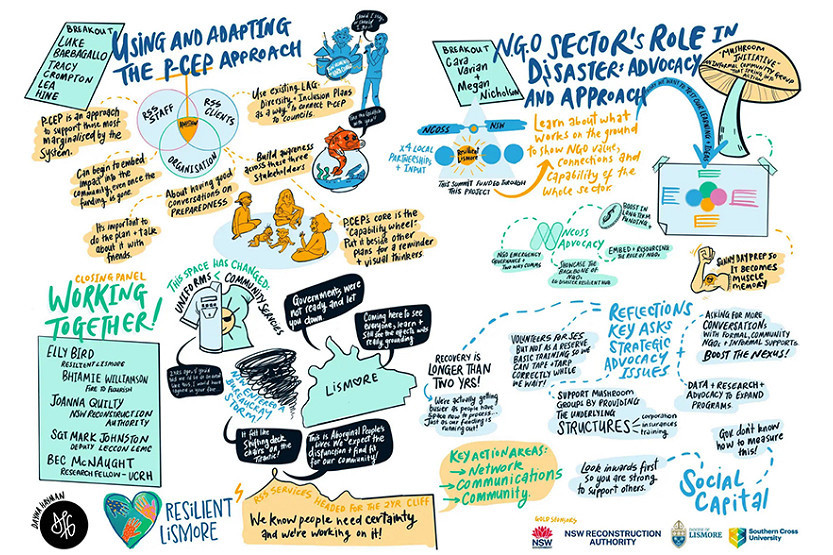
Preparing for the effects of multiple shocks – a fuel shortage, El Nino, flood and fire
Community groups are the cornerstone of local resilience.
Read More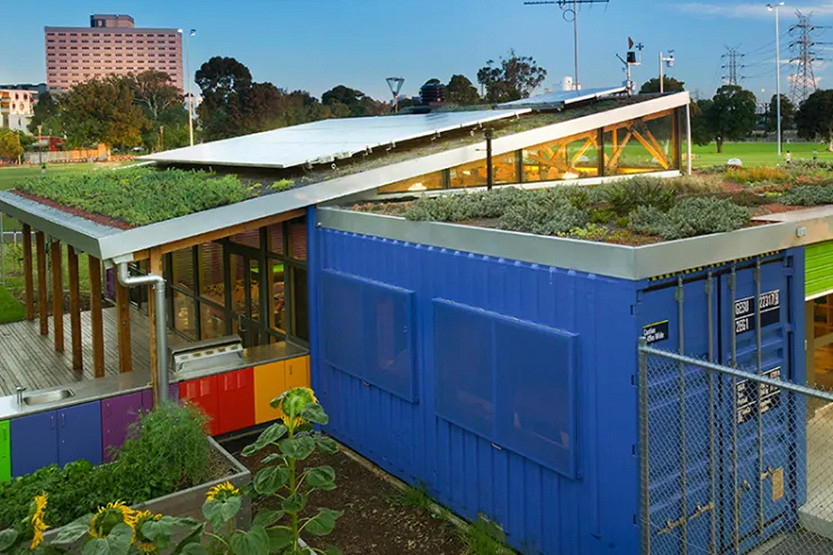
Cooling our neighbourhoods
Changes in land cover due to increased urbanisation can affect the urban environment and climate substantially.
Read More
Are Indigenous decision-making processes required for new technological advances?
Indigenous decision-making processes have historically demonstrated high effectiveness through community-based, consensus-driven, and long-term sustainable approaches that have enabled resilience over thousands of years.
Read More
Council’s infrastructure plan sharpens focus on schools, hubs and open space in city’s north-west
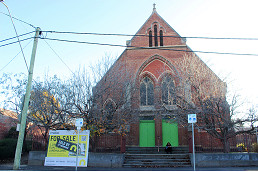
Kensington church sold to faith-based community
 Download the Latest Edition