West Gate Tunnel finally opens, promising major freight and transport gains despite years of delays and cost blowouts
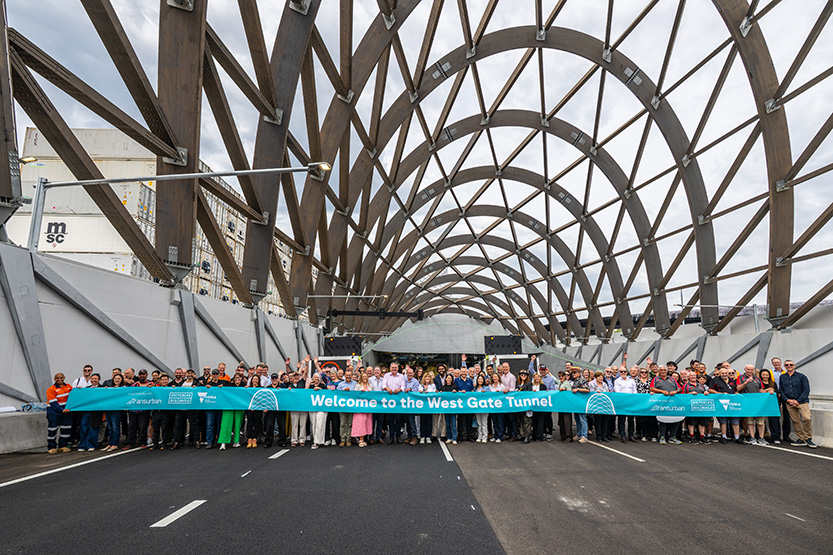
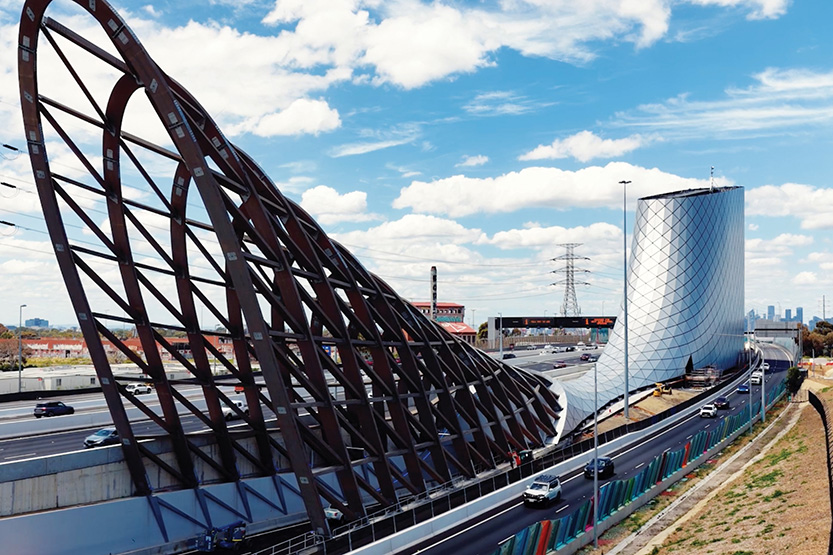
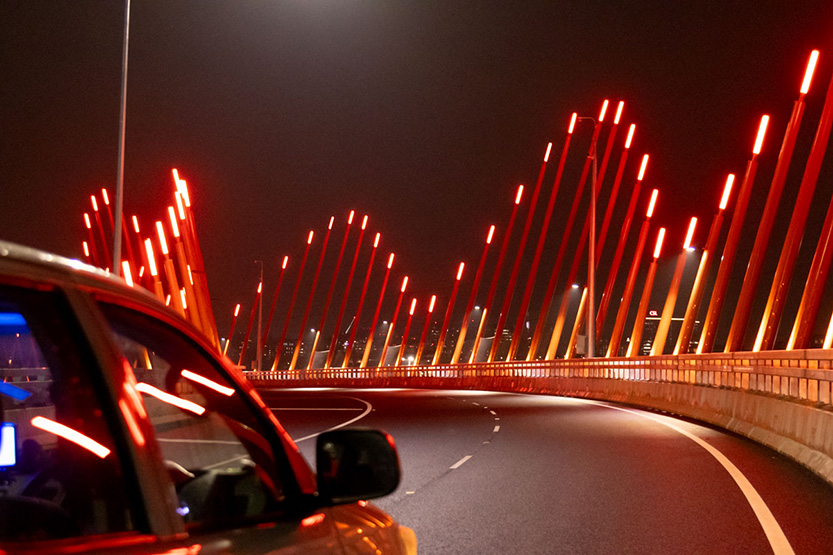

After a turbulent construction period marked by delays, disputes and ballooning costs, the West Gate Tunnel officially opened on December 14 – three years later than planned and at more than double its original price tag.
Yet for all its controversy, the Andrews–Allan Government’s flagship road project is set to make a profound impact on freight efficiency and the daily experience of commuters in Melbourne’s west.
Premier Jacinta Allan, Roads Minister Melissa Horne and Transport Infrastructure Minister Gabrielle Williams opened the long-awaited link on December 14, declaring the new tunnels and elevated motorway would remove 9000 trucks a day from local streets and slash travel times for motorists.
“The West Gate Tunnel gives people real choice – the bridge or the tunnel – saving families time and reshaping travel across the west,” Premier Allan said.
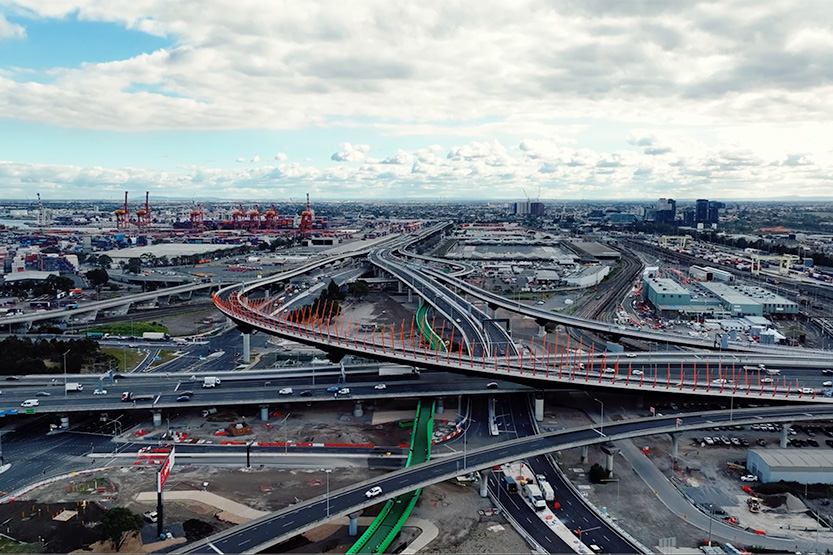
The city-shaping project includes two tunnels running under Yarraville, new elevated roads through the Port of Melbourne precinct, direct freight access to Appleton Dock Rd, MacKenzie Rd and Hyde St, and 24/7 no-truck zones on key local roads. According to the government, heavy vehicles will now be able to bypass up to 17 sets of traffic lights, offering the most streamlined port connection in Victoria’s history.
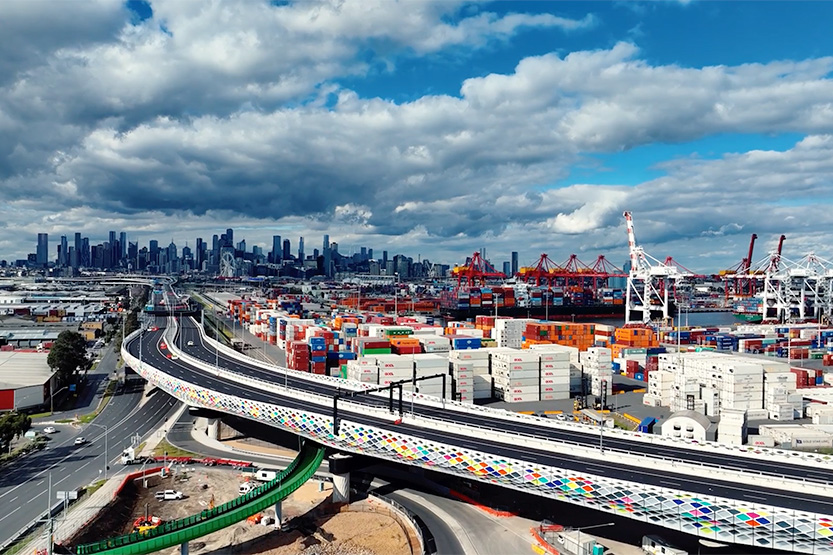
For freight operators – and residents in Yarraville, Spotswood and surrounding suburbs long plagued by truck traffic – the opening marks a major turning point. Industry groups have argued for years that the port’s growing freight load had outstripped the capacity of existing roads, and that the project would improve safety, efficiency and reliability for Victoria’s logistics sector.
More than 6000 workers contributed to the project, delivering 62 million work-hours and 1.8 million hours by apprentices, trainees and cadets. The opening also coincides with the launch of the 2.5-kilometre elevated Dixon Veloway and the final links of the Federation Trail, completing more than 14 kilometres of new and upgraded cycling and walking paths through Melbourne’s west.
Overdue, over budget – but undeniably significant
The tunnel arrives three years late, following a prolonged shutdown caused by contaminated soil disputes between Transurban, the state and contractors.
What was once billed as a $5.5 billion project has grown to more than $10 billion, with the state’s contribution rising from $400 million to at least $4.2 billion – a figure that may increase as final cost negotiations continue.
Tolling arrangements will also see CityLink motorists paying tolls until 2045, sparking criticism that drivers far from the west will bear part of the financial burden. Heavy vehicle tariffs in particular are expected to push costs through the supply chain, although transport operators maintain the gains in efficiency outweigh the expense.
Still, despite the political bruising, the government is banking on the tunnel’s opening to demonstrate its credentials as a builder of major infrastructure – and to ease pressure on the chronically congested West Gate Bridge.
Inner-city impacts still unclear
While the project is expected to benefit western commuters, the flow-on impacts for inner-city suburbs remain uncertain.
The City of Melbourne and Victorian Government have yet to finalise the Transport and Amenity Program (TAP) – a multi-year plan intended to mitigate increased traffic, manage rat-running and improve safety in neighbourhoods including North Melbourne, West Melbourne, Docklands and Kensington.
With new connections now funnelling more vehicles directly into the central city road network, residents and traders in these areas are watching closely. The TAP includes proposals for upgraded crossings, new bike lanes, speed reductions and freight-routing controls, but many elements are still under negotiation.
The West Gate Tunnel’s opening marks the end of one of Melbourne’s most contentious construction chapters – and the beginning of a new era in how the west moves. Whether the benefits flow evenly across the city will become clearer in the months ahead.
Related Articles
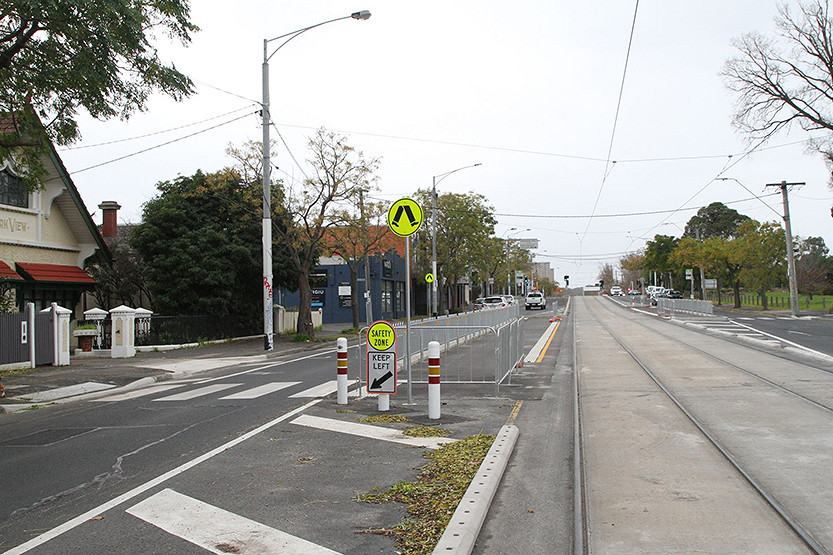
Safety fears over new Racecourse Rd tram stop crossing
The pedestrian crossings at either end of a new tram stop in Racecourse Rd are unsafe, according to local residents, including a woman who suffered serious injuries when she was hit by a car at one of them.
Read More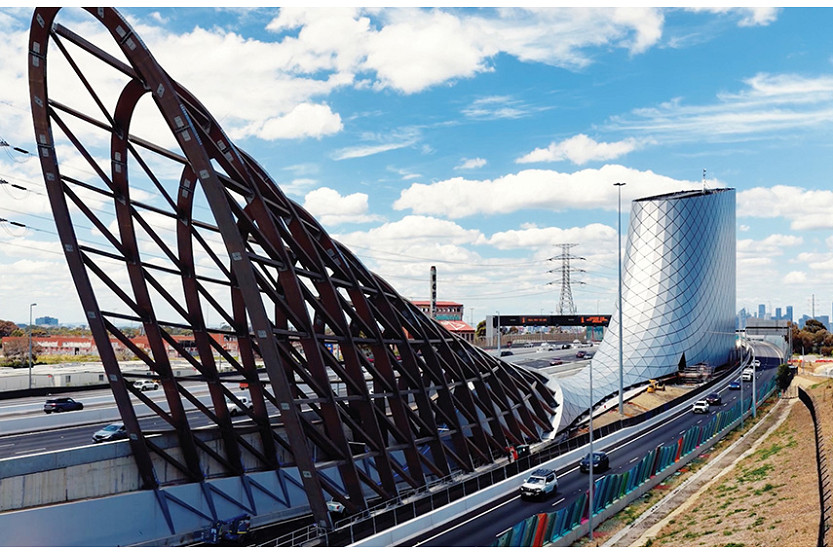
Council escalates push for Kensington truck bans
The City of Melbourne will intensify its push for truck bans in Kensington after new monitoring showed significant numbers of heavy vehicles are using local streets to avoid West Gate Tunnel tolls.
Read More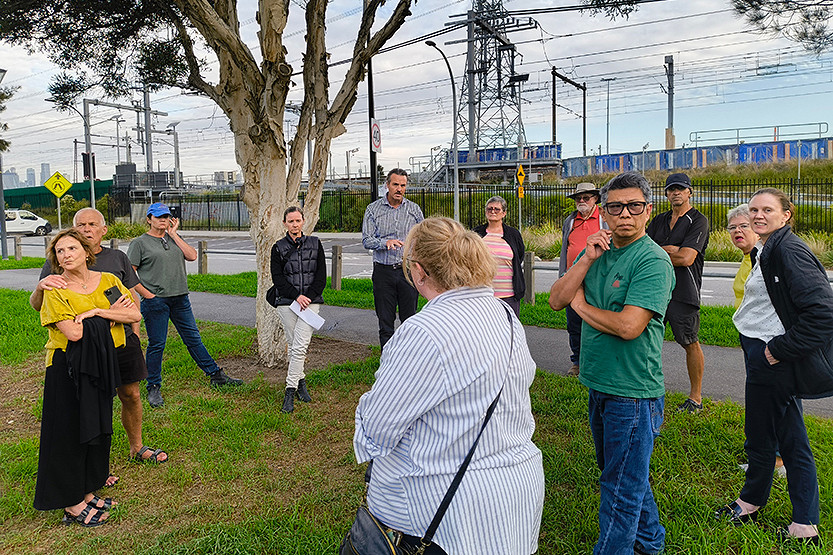
Residents press Metro Tunnel team over rail noise near South Kensington
Kensington residents have stepped up their campaign over noise from the new Metro Tunnel entrance near South Kensington Station, with a recent community meeting laying bare ongoing frustration about rail squeal, delays in responses and limited access to monitoring data.
Read More
Meet Ted – Brown Dog’s very own Brown Dog
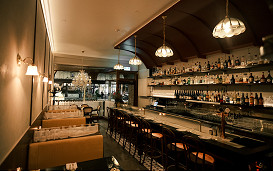
New-look Joe Taylor brings Thai flavours to Errol St
 Download the Latest Edition