Antisemitism submission sparks protest debate at Town Hall
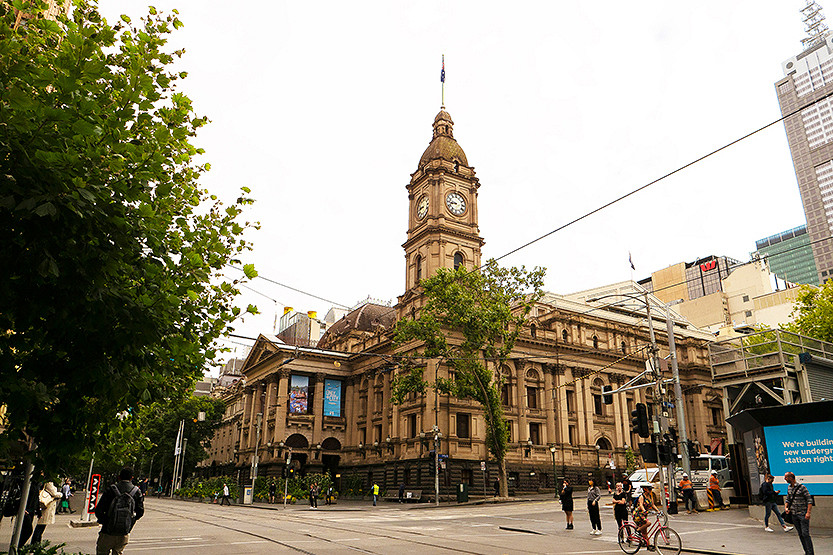
A City of Melbourne submission to the Royal Commission into Antisemitism that flags changes to the management of Melbourne’s pro-Palestine protests caused division as well as “furious agreement” when it came before the Future Melbourne Committee on May 5.
The submission, written in response to a request by the Commission for information about council policies and procedures, contains a series of recommendations focused on areas of council influence.
Five of the six recommendations, on the implementation and federal funding of broad national, local and workplace anti-racism initiatives, had the unanimous support of councillors.
The sixth, which calls for the federal government to establish a “protest framework”, sparked disagreement, with Greens councillor Dr Olivia Ball putting forward an amendment proposing its removal from the document.
The recommendation says the Royal Commission should “recommend the federal government coordinate a review across all levels of government to establish a framework that safeguards the right to protest while reducing disruption to the functioning of cities and maintaining a safe environment for the community”.
Cr Dr Ball argued that it sought “to limit the right to peaceful protest, which has no inherent bearing on antisemitism".
The current council plan seeks ways to limit the disruption of public protest, but this ambition has no place in a submission on antisemitism, she said.
Cr Davydd Griffiths agreed. While the Flemington local was “very supportive of the vast bulk” of the City’s submission, he said if there was antisemitic activity at rallies it should be dealt with under existing laws and through the recommendations of the Royal Commission.
“People should be able to take to the streets to protest,” Cr Griffiths said.
Deputy Lord Mayor Roshena Campbell observed there was “furious agreement” among councillors “that in this country there is a right to peaceful protest” and said the right was preserved in the recommendation under debate.
It had “become abundantly clear that saying we should condemn antisemitic attacks or antisemitic acts of protest [was] not enough,” she said.
She and Lord Mayor Nick Reece cited a string of “unacceptable” events in Melbourne, including the targeting of the restaurant Miznon, the abuse of Jewish schoolchildren at Melbourne Museum and the plastering of Flinders Lane with stickers featuring a Star of David with a cross through it.
Jewish individuals had reportedly been assaulted at a protest outside Town Hall and a nearby coffee shop had its door knocked off the hinges, Cr Campbell said.
Cr Reece, who said that despite being Lord Mayor he still liked to think of himself as an activist, referred to the impact these events had had on members of the Jewish community.
He also condemned the chants “globalise the intifada” and “from the river to the sea” as “statements of menacing intent”, prompting interjections from the public gallery.
Three members of the local Jewish community had earlier added their voices to the debate, expressing appreciation for action now being taken on antisemitism but coming down on different sides of the protest issue.
Philip Zajac, from the Jewish Community Council of Victoria, said his son, who wears a kippah, had been asked by police to leave the CBD on a Sunday for his own safety, while his brother, who lives in the city, makes sure to leave it on Sundays.
The protests were causing unacceptable impacts to businesses, public access and the Jewish community, he said.
Rebecca Parker from Jewish Advocates for Understanding Antisemitism raised concern about what she described as a “personal endorsement” in the Lord Mayor’s cover letter of the Special Envoy to Combat Antisemitism’s plan, arguing it had not been fully discussed or adopted by the City of Melbourne.
A third submitter, Rebecca Rigby, identified herself as “an anti-Zionist member of the Jewish community” who had attended multiple rallies in support of Palestine in Melbourne. While she did not doubt antisemitism was increasing, she said she had never experienced it at the protests.
Cr Dr Ball's amendment was backed only by herself and by Cr Griffiths. With the amendment lost, the council’s submission, including the “protest framework” recommendation, was endorsed. •
Related Articles
Councillors vote for independent Queen Victoria Market governance review
City of Melbourne councillors have voted 10-1 to commission an independent review into the management and governance of Queen Victoria Market, setting up what could become one of the most consequential examinations of the institution in more than a decade.
Read More
North and West Melbourne, Kensington score key wins in cautious council budget
The City of Melbourne’s 2026-27 draft budget is, overall, a careful and fiscally restrained document.
Read More
Hawke St residents question council process after linear park redesign
West Melbourne residents say they are frustrated and disappointed after the City of Melbourne revealed that the long-planned Hawke Street Linear Park will need to be redesigned, pushing construction back by several years.
Read More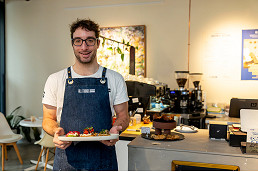
All Things Equal: a café where inclusion comes first

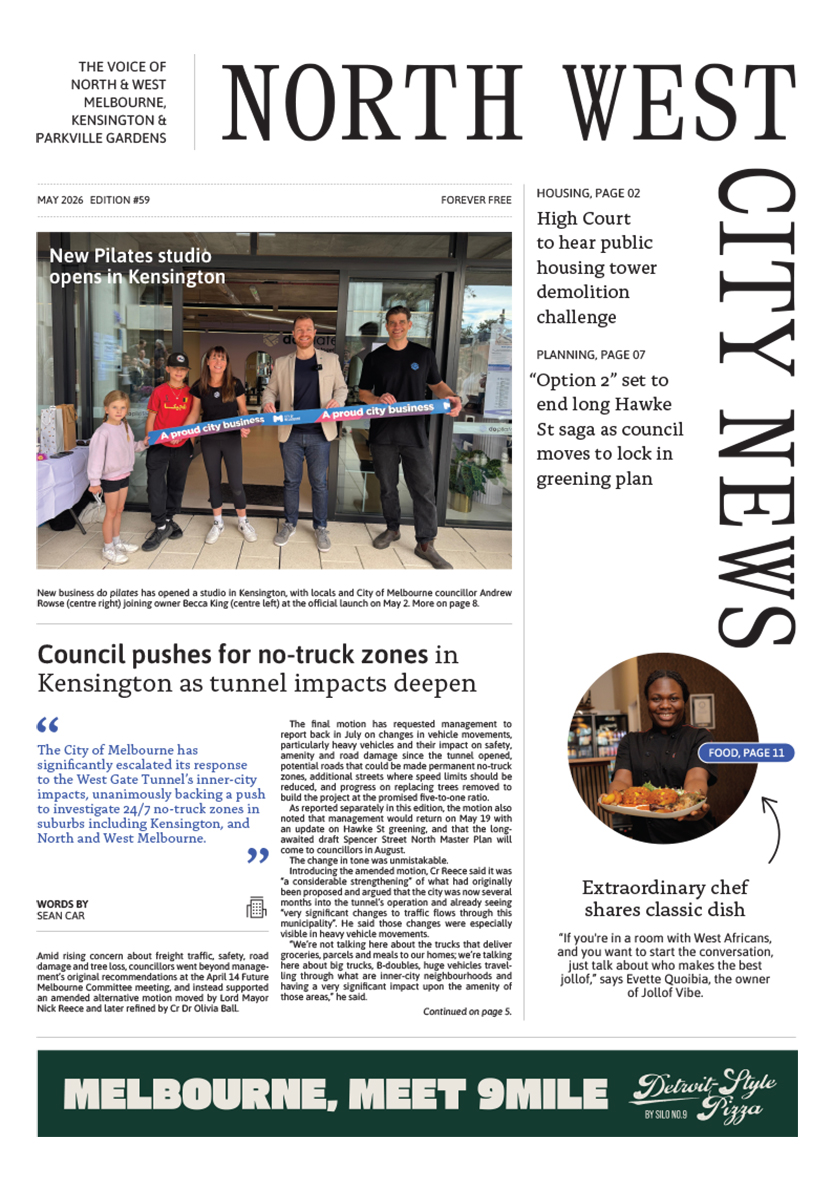
Council pushes for no-truck zones in Kensington as tunnel impacts deepen
 Download the Latest Edition