Flood mitigation study results revealed
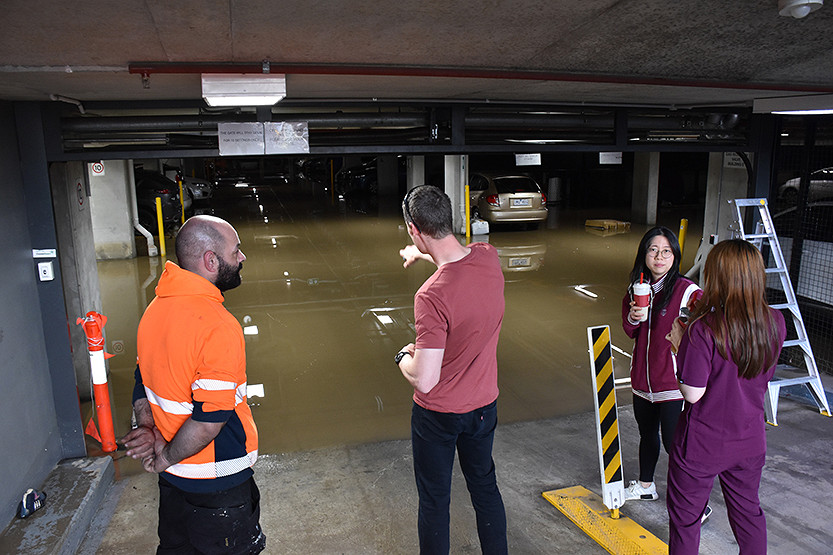

A flood mitigation study conducted by Melbourne Water has revealed that protecting homes and enhancing emergency facilities are the top priorities for communities surrounding the Maribyrnong River.
Melbourne Water has released its Phase One Feedback Report for the Maribyrnong River Catchment Flood Mitigation Study, based on community engagement held from May to June.
Melbourne Water executive general manager of service futures, Chris Brace, said that phase one has shown that the community wants to protect homes, enhance emergency facilities, and respect the river and surrounding environment.
We are grateful for the contributions of the Maribyrnong community, who know and love the river. Their energy, insights, and personal stories will help us shape flood mitigation solutions that reflect our community’s priorities, Mr Brace said.
“We thank everyone for their commitment, openness, and collaboration in creating a safer, more resilient Maribyrnong catchment.”
The study forms part of the response to the October 2022 floods, which affected more than 500 properties across the Brimbank, Maribyrnong, Melbourne and Moonee Valley local government areas.
Throughout the study, community members shared their views and vision for the region’s future flood-risk management, placing strong emphasis on prioritising the protection of homes.
Participants told Melbourne Water that the most important focus is safeguarding residences, personal property, and safety.
They also called for mitigation measures that strengthen critical community connections, and highlighted the need for mental health support, social cohesion initiatives, and resilience-building programs to help residents cope with the impacts of flooding.
Building on insights from phase one, phase two will commence in late 2025. It will expand catchment-wide engagement through workshops, drop-in sessions, and online surveys to include more voices in the conversation.
Melbourne Water will also release a long list of flood mitigation options for public review and will invite targeted community feedback and rankings to determine which solutions should be progressed for further development and assessment.
Local residents understand that implementing these protective measures may require the temporary closure of parks, playgrounds, and riverbank paths to enhance flood defences.
The community also stressed the importance of ensuring roads, bridges, public transport routes, and health services remain operational during emergencies. •
Related Articles
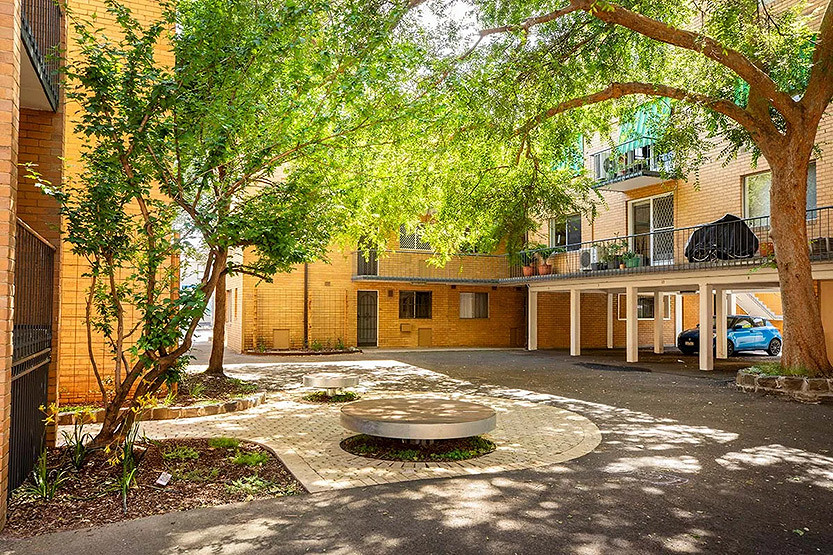
North Melbourne courtyards and car park given green boost under council grants
Three residential greening projects in North Melbourne will share more than $200,000 through the City of Melbourne’s latest Urban Forest Fund grants program.
Read More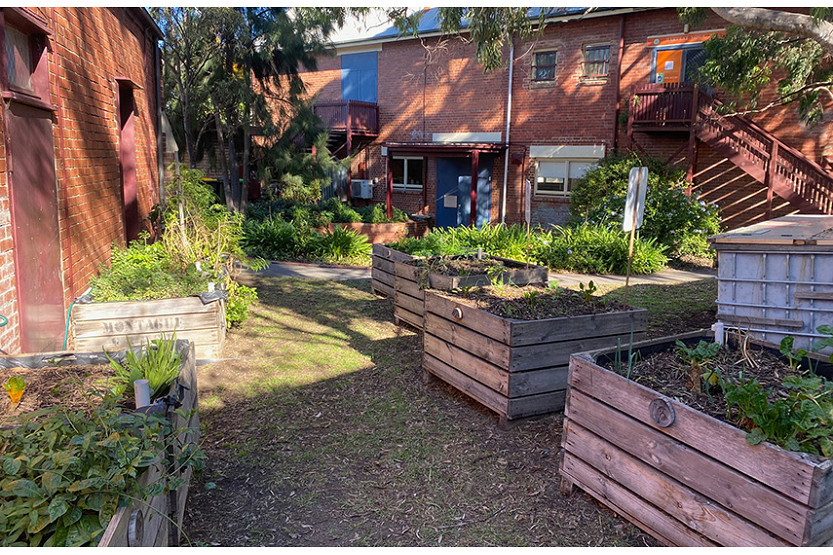
Garden rules to green inner north-west streets
Residents and businesses in North Melbourne, West Melbourne and Kensington will be able to more easily green their streets under new City of Melbourne guidelines designed to support community-led gardening outside the CBD.
Read More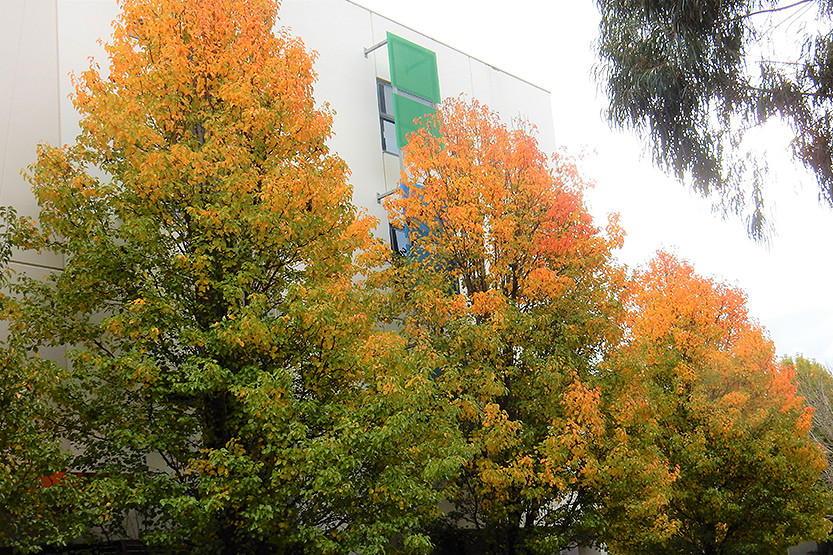
Urban forest plans aim to cool growing inner north-west
North and West Melbourne and Kensington will be targeted for new tree planting, biodiversity corridors and more resilient streetscapes under updated urban forest plans to be considered by the City of Melbourne.
Read More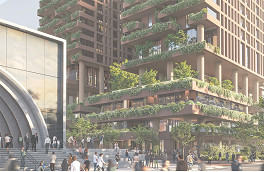
State fast-tracks Arden tower despite council warning
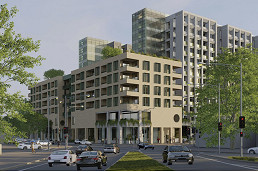
“An appalling process”: Council warns Macaulay vision is being pulled apart
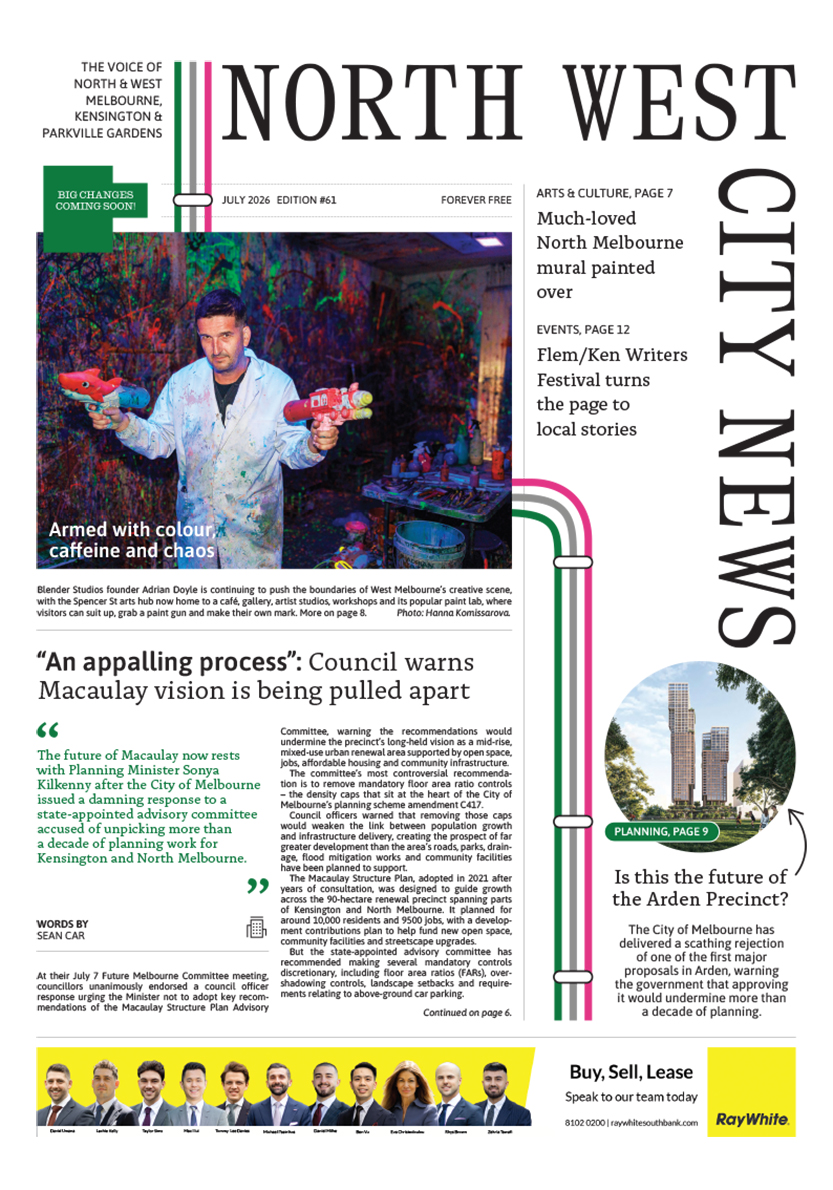 Download the Latest Edition