Garden rules to green inner north-west streets
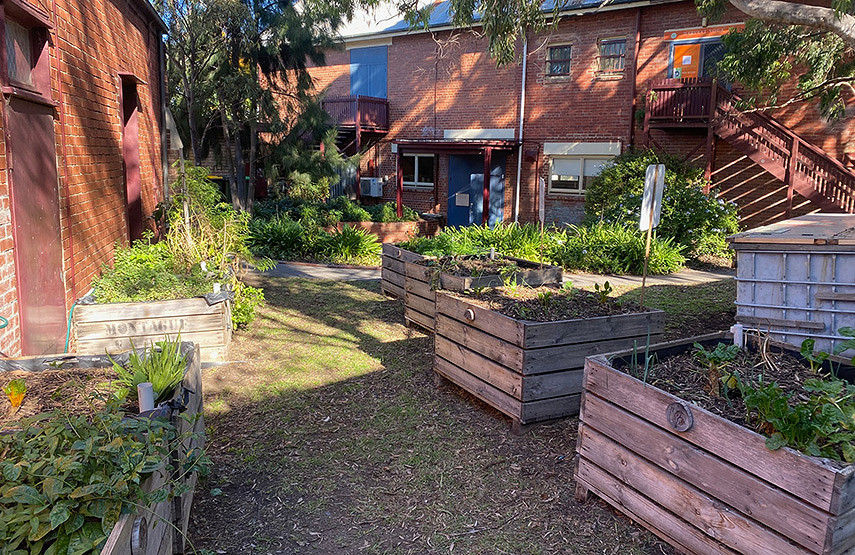

Residents and businesses in North Melbourne, West Melbourne and Kensington will be able to more easily green their streets under new City of Melbourne guidelines designed to support community-led gardening outside the CBD.
The Garden City Guidelines, unanimously endorsed by councillors at the June 16 Future Melbourne Committee meeting, set out clearer rules for planting small gardens in nature strips, tree plots, laneways and planter boxes without needing a permit in most cases.
For neighbourhoods such as Kensington, North Melbourne and West Melbourne, where established residential streets sit alongside dense new development and major renewal areas, the guidelines could help residents add colour, shade and biodiversity at a local level.
The guidelines apply to neighbourhoods outside the Hoddle Grid, including Kensington, North Melbourne, West Melbourne, Carlton, Parkville, Docklands, East Melbourne, Southbank, Fishermans Bend and South Yarra.
The CBD will remain subject to the existing Greening Melbourne Permit system because of its tighter layout, high pedestrian volumes and more constrained public realm. Edible gardens in streets will also still require a Street Garden Permit, while some state-managed and heritage roads are excluded.
The new framework allows for in-ground planting in nature strips and tree plots, as well as pots and planters on footpaths or outside buildings, provided safety, access and maintenance requirements are met.
For North and West Melbourne, the changes may be particularly relevant in streets where residents have long advocated for more greening, cooler footpaths and stronger neighbourhood character amid development pressure.
In Kensington, where community gardening and local food growing already have a strong presence, the guidelines provide a clearer pathway for smaller street-level gardens that can complement existing initiatives such as community gardens and greening groups.
Lord Mayor Nick Reece, who was overseas and not at the meeting, said the guidelines would make it easier for residents and businesses to contribute to Melbourne’s garden city identity.
“We’re making it easier than ever for Melburnians to roll up their sleeves, uncover their green thumb and start transforming their neighbourhoods,” Cr Reece said.
Melbourne is the garden city, and these guidelines will help our residents and businesses create vibrant green spaces that bring colour, biodiversity and life to our streets.
Under the guidelines, residents must check underground services, speak to neighbours, choose appropriate non-invasive plants and maintain gardens over time.
They cannot plant edible plants, trees, spiky or hazardous plants, weeds, synthetic turf, rocks, structures, irrigation systems, electrical wiring, herbicides or insecticides.
Plant heights are capped at one metre, or 50 centimetres within 10 metres of intersections or crossings to preserve sightlines.
Footpaths must retain at least 1.2 metres of clear pedestrian space, with pots and planters also subject to size and stability limits.
Environment portfolio head Cr Davydd Griffiths said the shift from a permit-based approach to an enabling guidelines model would remove barriers for residents who wanted to green their streets.
“No matter how big or small – every garden makes a difference,” Cr Griffiths said.
“More greenery means cooler streets, better habitats for birds and pollinators, and more welcoming neighbourhoods for everyone.”
At the meeting, Cr Griffiths said many residents had either already been gardening outside their homes or had been “waiting and asking for the opportunity to do so”.
He said the guidelines would help people move from the idea of “I’d like to grow something at the front of my house” through the practical steps needed before “putting spade into ground”.
The council says the guidelines support broader goals around biodiversity, urban cooling, stormwater management, social cohesion and neighbourhood pride.
That could be especially important in the inner north-west, where traffic impacts, population growth and renewal in areas such as Arden, Macaulay and West Melbourne continue to put pressure on local streets and public space.
The guidelines also encourage residents to register new and existing gardens so the council can better understand where community greening is happening, communicate with gardeners and help contractors identify maintained spaces.
Accessibility remains a key issue, with the council stressing that gardens must not compromise safe pedestrian movement, visibility, utilities, existing street trees or essential services.
The final guidelines will be published on the City of Melbourne website, alongside a new online landing page and garden registration process.
Related Articles
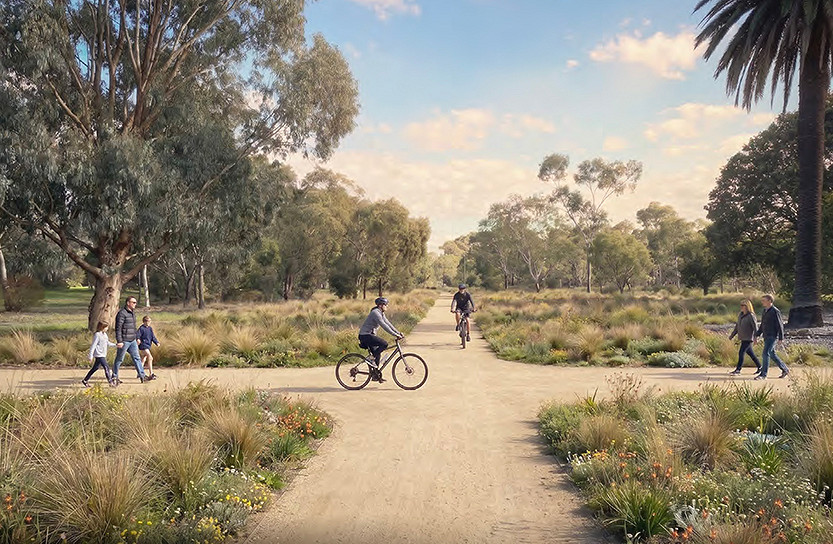
Master plan charts bold 20-year vision to grow and reunite Royal Park
The City of Melbourne has unveiled a sweeping new 20-year vision for Royal Park that seeks to make Melbourne’s largest inner-city park bigger, darker, greener and – ultimately – whole again.
Read More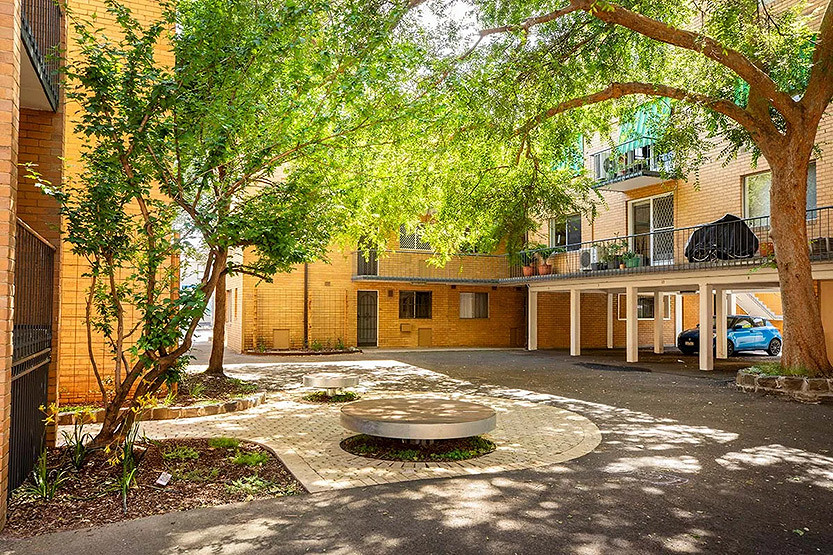
North Melbourne courtyards and car park given green boost under council grants
Three residential greening projects in North Melbourne will share more than $200,000 through the City of Melbourne’s latest Urban Forest Fund grants program.
Read More
Urban forest plans aim to cool growing inner north-west
North and West Melbourne and Kensington will be targeted for new tree planting, biodiversity corridors and more resilient streetscapes under updated urban forest plans to be considered by the City of Melbourne.
Read More
Meet Ted – Brown Dog’s very own Brown Dog
New-look Joe Taylor brings Thai flavours to Errol St
 Download the Latest Edition