Urban forest plans aim to cool growing inner north-west
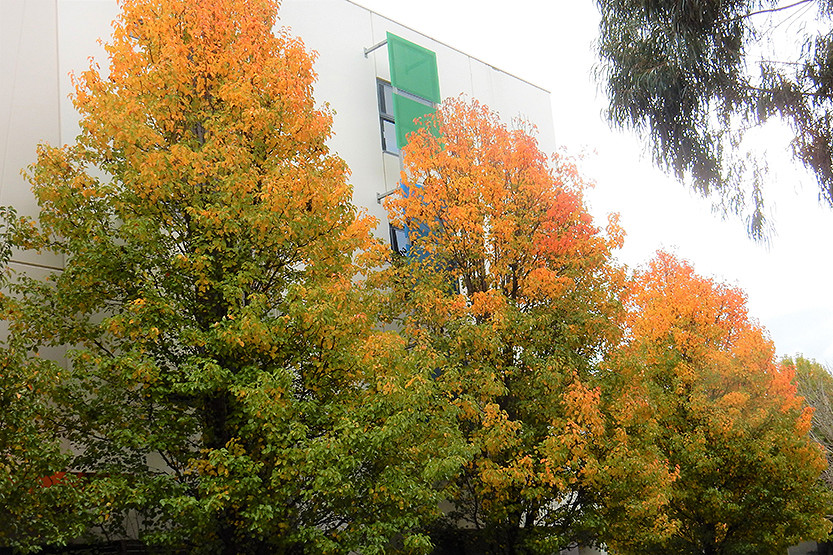

North and West Melbourne and Kensington will be targeted for new tree planting, biodiversity corridors and more resilient streetscapes under updated urban forest plans to be considered by the City of Melbourne.
The final Urban Forest Precinct Plans for Kensington, Docklands and North and West Melbourne will go before the July 7 Future Melbourne Committee meeting, setting out 10-year directions for street tree planting and urban greening.
The plans form part of the council’s broader Urban Forest Strategy, which aims to increase tree canopy cover across the municipality to 40 per cent by 2040.
For the inner north-west, the plans come at a time of major change, with growth in Arden, Macaulay and West Melbourne placing renewed pressure on streets, open space and local amenity.
North and West Melbourne currently has 18.1 per cent canopy cover, below the municipal average and well below established greener precincts such as South Yarra, East Melbourne, Parkville and Carlton.
Kensington performs more strongly, with 24.1 per cent canopy cover, but the plan says there are still opportunities to improve greening, particularly in recently developed areas, along creek corridors and railway lines.
The council report says the plans are informed by tree data, including canopy cover, age, health, species and neighbourhood character, as well as environmental data such as heat, biodiversity, climate risk, water opportunities and land use.
It also says the updated plans reflect an evolution in urban forest planning, with tree species diversity now targeted to reduce risks from pests and diseases, and streets prioritised according to canopy cover and the performance of existing trees.
In Kensington, the plan builds on the suburb’s distinctive “urban village” character, with the Macaulay Rd shopping precinct, established residential streets, industrial history and nearby Arden-Macaulay renewal area all shaping future planting.
Kensington’s urban forest is strongly influenced by peppercorns, ash and native trees along the historic stock route and railway corridor, as well as strong avenue plantings of English elms and London plane trees.
Community feedback calls for the suburb’s urban forest to contribute to a “walkable, self-sustaining residential suburb”, build on existing and planned green spaces, and create habitat corridors for wildlife.
The plan notes support for more native species, more understorey planting and better greening along Moonee Ponds Creek and rail corridors.
Kensington has one street mapped as important for insect pollinator habitat, while three streets have been identified as potential biodiversity corridors because of their connections between parks and their suitability for more diverse planting.
The plan also recognises the need to care for significantly aged avenues, many of which date back to early planned street planting programs in Melbourne.
In North and West Melbourne, the urban forest reflects a more varied history of industrial, residential, commercial and cultural uses.
The plan describes the precinct as having a strong cultural identity linked to its arts community and proximity to Queen Victoria Market, with a mix of wide streets, planted medians, narrow laneways and dense residential pockets.
Its tree character is shaped by mature spotted gums and eucalypts, as well as elms and planes common across the city. North Melbourne has more native species than many other parts of the municipality, while West Melbourne has the highest percentage of indigenous species.
Community feedback for North and West Melbourne calls for a well-planned, climate-resilient, sustainable and healthy urban forest where people, flora and fauna can thrive together in a cool, water-wise and walkable neighbourhood.
Residents identified opportunities for more planting in recently developed areas, more biodiversity and better walking and cycling corridors along waterways and railway lines.
The plan also acknowledges that some species central to the area’s character, including elms, are vulnerable to rising temperatures, pests and disease. It says alternative species should be used where possible to make the urban forest more resilient.
The plans note that trees can take up to 20 years to provide significant canopy cover, meaning streets with low canopy but recent planting are expected to improve over time. Streets with low canopy and no recent planting will be prioritised over the next decade.
The report says delivery costs will be considered through future annual plan and budget processes. The estimated cost to deliver the three precinct plans in full over 10 years is $2.52 million.
Related Articles
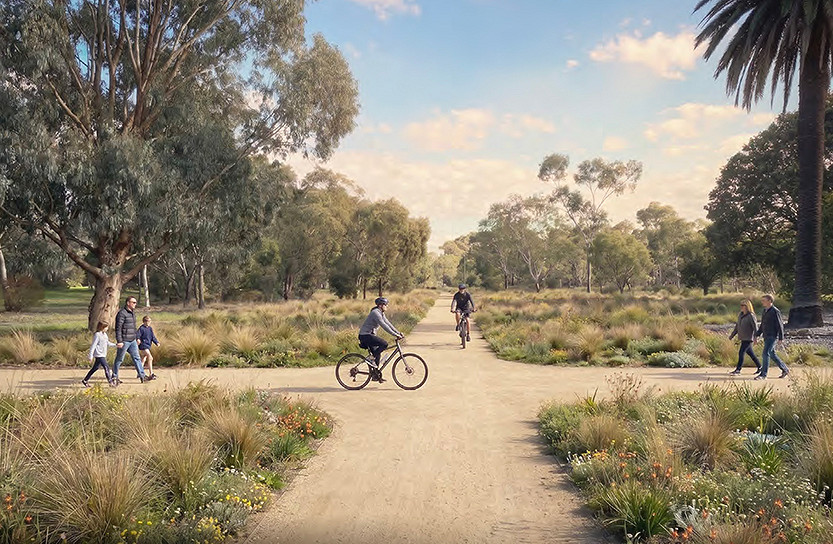
Master plan charts bold 20-year vision to grow and reunite Royal Park
The City of Melbourne has unveiled a sweeping new 20-year vision for Royal Park that seeks to make Melbourne’s largest inner-city park bigger, darker, greener and – ultimately – whole again.
Read More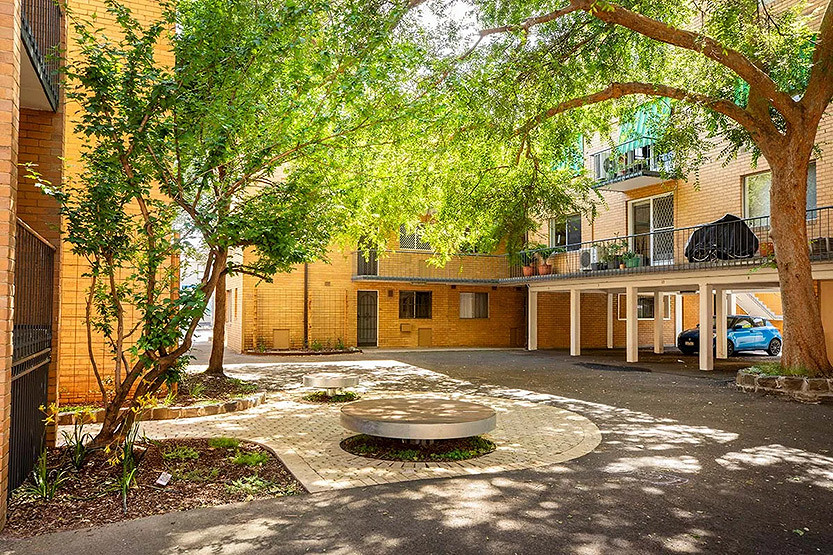
North Melbourne courtyards and car park given green boost under council grants
Three residential greening projects in North Melbourne will share more than $200,000 through the City of Melbourne’s latest Urban Forest Fund grants program.
Read More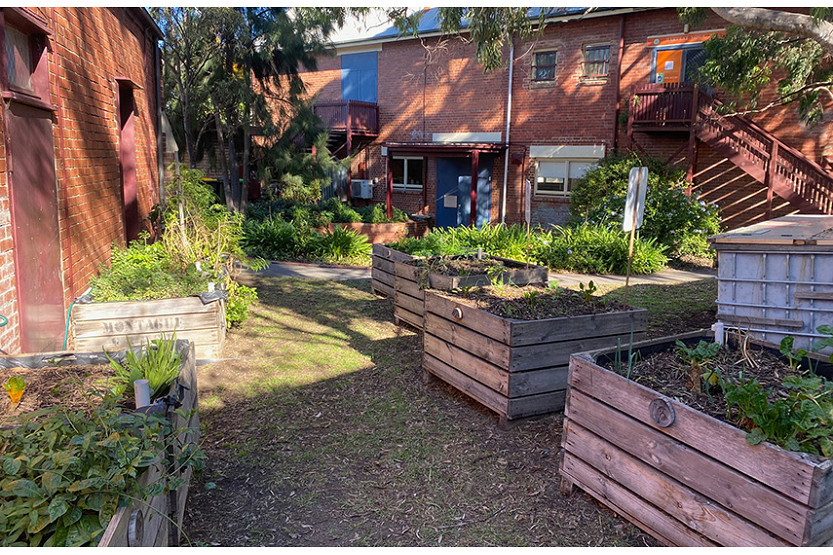
Garden rules to green inner north-west streets
Residents and businesses in North Melbourne, West Melbourne and Kensington will be able to more easily green their streets under new City of Melbourne guidelines designed to support community-led gardening outside the CBD.
Read More
Meet Ted – Brown Dog’s very own Brown Dog
New-look Joe Taylor brings Thai flavours to Errol St
 Download the Latest Edition