On the West Melbourne streets where she lived
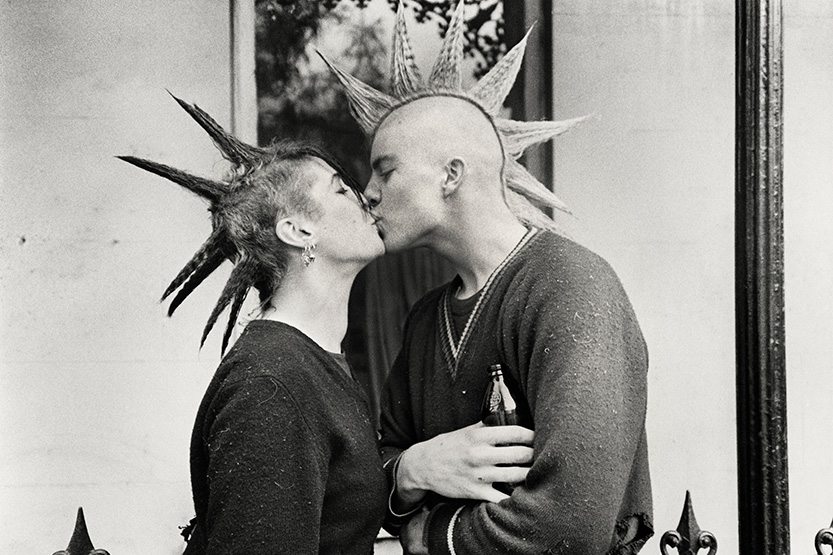
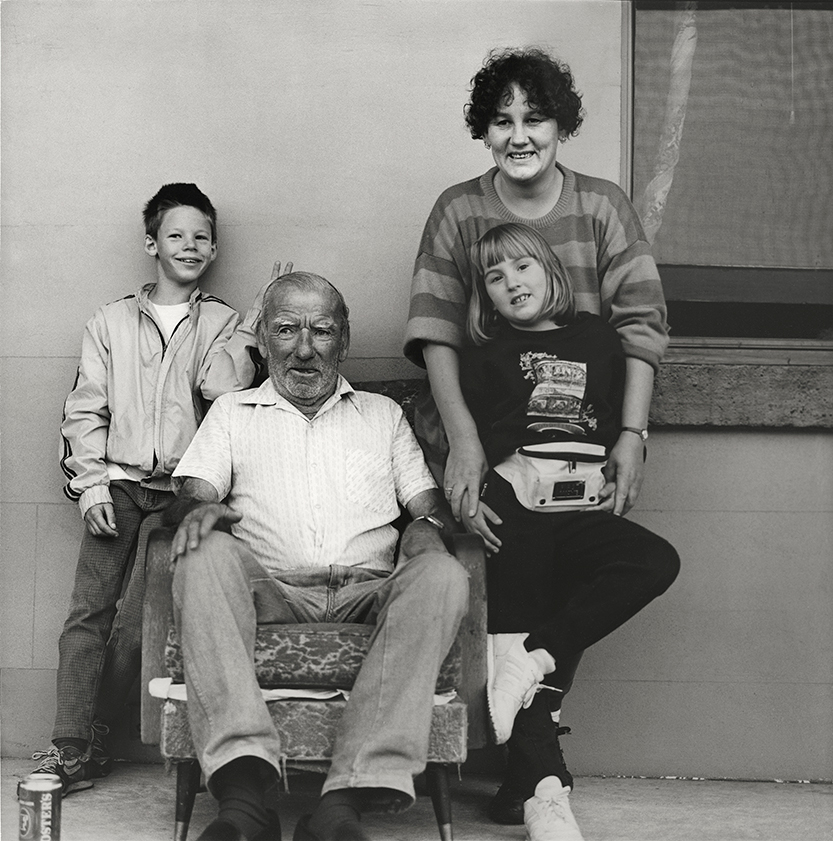
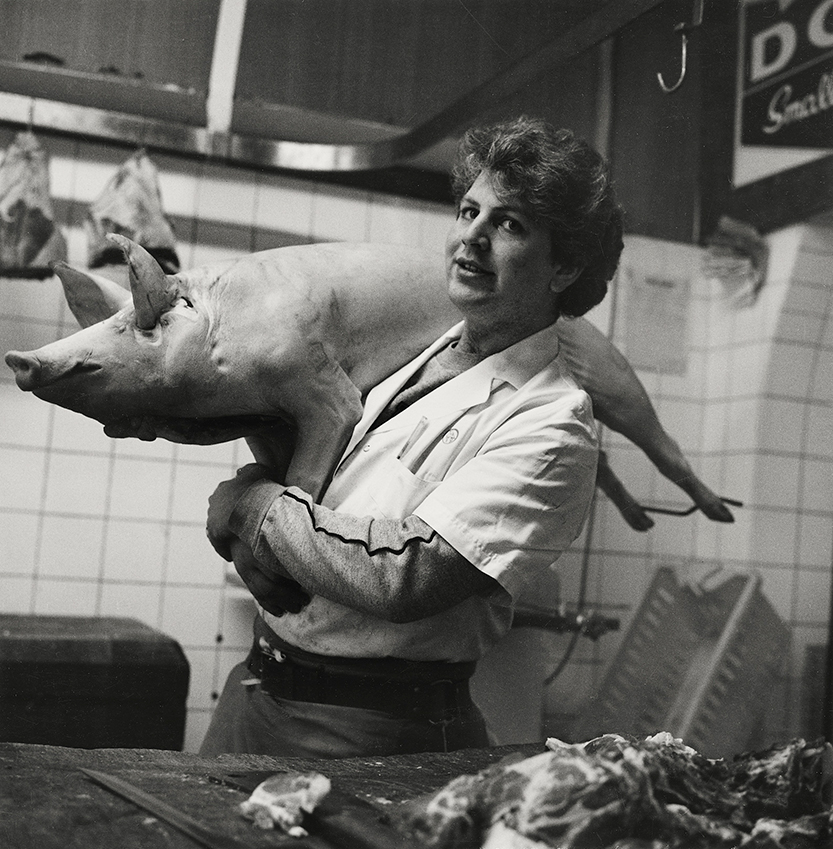
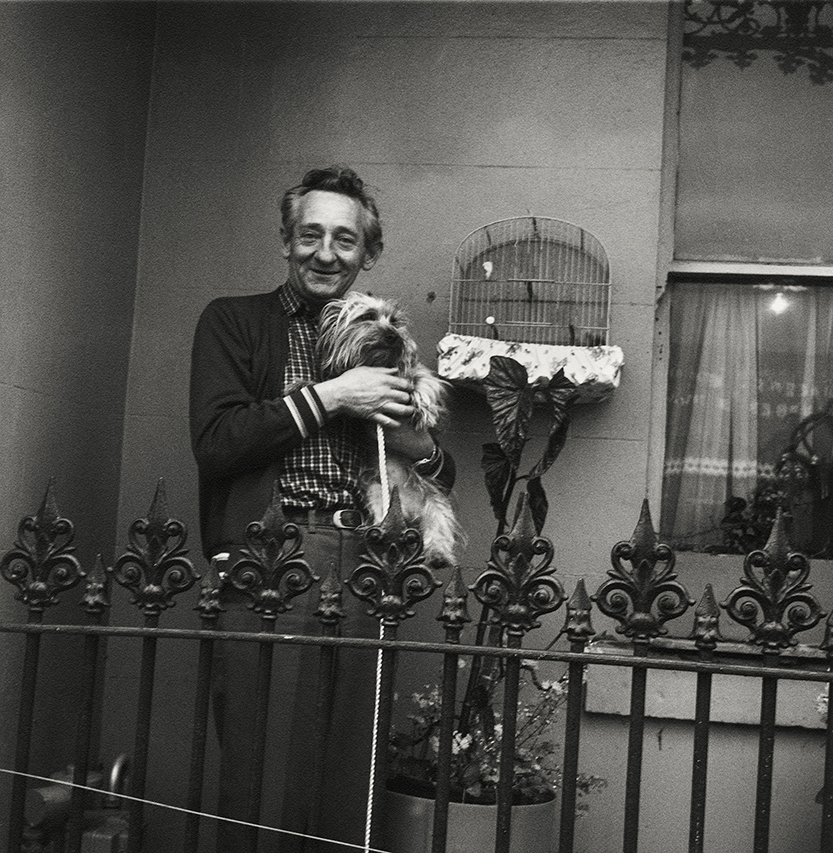
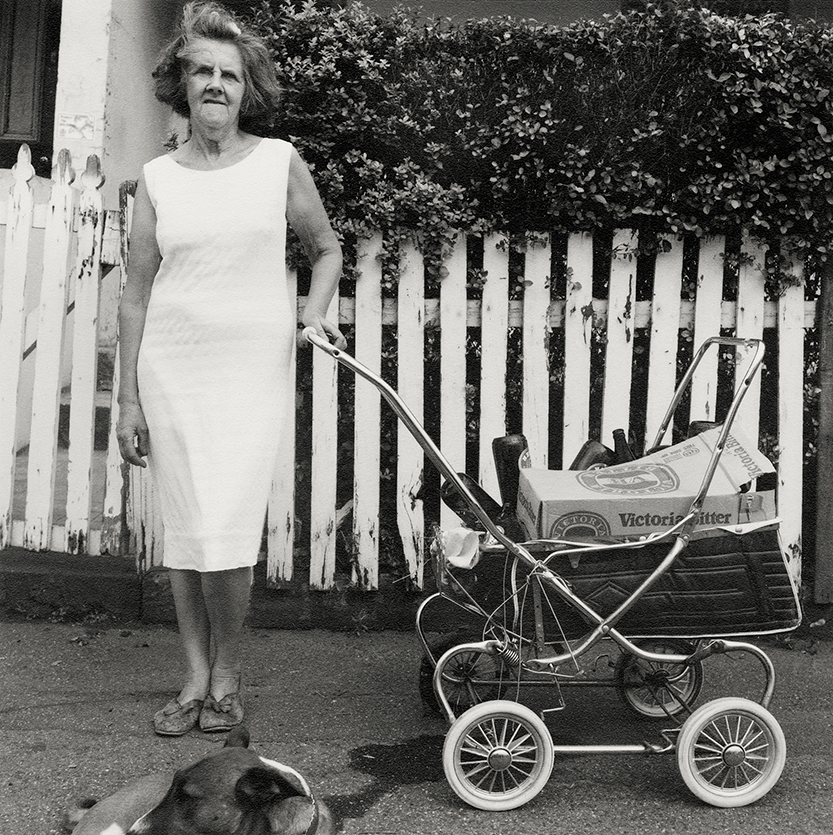
Thanks to a stroke of luck the City of Melbourne’s Art and Heritage Collection is staging an exhibition of work by social documentary photographer Viva Gibb, who over 20 years “lovingly portrayed” the North and West Melbourne neighbourhoods where she lived.
It was only by chance that council staff found themselves in possession of a large collection of pictures taken in North and West Melbourne by photographer Viva Gibb.
“We had a gentleman donate three of her photos who then said, ‘I could put you in touch with her daughter, Sybil'," Savannah Smith, from the council’s Art and Heritage Collection, told North West City News.
“It was just through that interaction that this more significant donation came about.”
“We just got lucky!”
The gift from Ms Gibb's children of more than 200 black and white silver gelatin prints taken from the mid-1970s to the early 1990s includes some images of the generous donors themselves, who grew up with their mother in the neighbourhood.
It was one of the most significant representations of the area that exists, Ms Smith said.
“West Melbourne is kind of underrepresented, so for that reason alone it’s really significant but also the photographs themselves are very special,” she said.
Living and working for two decades around Capel, Hawke, Stanley and Victoria streets, Ms Gibb captured locals' characters and goings-on with a warm, democratic gaze.
Hawkers and vendors, neighbours, people with their pets, punk squatters – all found their way in front of the social documentary photographer’s lens.
So too did local businesspeople – from the boss of Don Camillo Café, posed behind his Gaggia, to Errol St barber and tobacconist Lindsay Williams, from a Victoria St gun dealer to a drag queen at Trish’s Coffee Lounge.
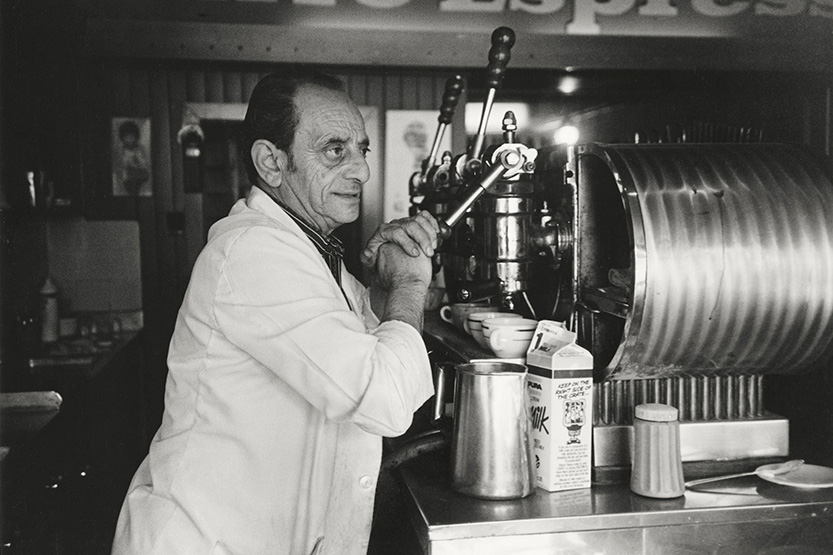
According to Smith, some businesses the artist photographed are still running today.
The donated collection creates “a vivid, compassionate” portrait of life in the two suburbs in what was a moment of profound social and urban transformation, according to Ms Smith, who has curated an exhibition from it.
It was sort of that really pivotal moment in Melbourne’s history when … young people were in the city and had places to live, and it was a really creative as well as politically charged period of time, and a lot of good art came out of it, she said.
“West Melbourne isn’t usually considered as a part of that [movement] but there were a lot of artists in West Melbourne too.”
From 1975 Ms Gibb shared a house in Capel St with Helen Garner, who was writing the book Monkey Grip at the time.
The women’s shared environment fostered a “deep attentiveness to the lives unfolding around them”, Ms Smith said.
Ms Garner has written a contribution for an illustrated catalogue for the exhibition.
While Ms Gibb exhibited widely in the 1970s and ‘80s, and her work is held in major public collections, the fact that she stopped taking photos after around 2000 saw her reputation wane, according to
Ms Smith.
“There’s this real sense now of rediscovering her and putting her back into history, which is an exciting project,” the curator said.
The exhibition, “invites audiences to rediscover an extraordinary photographic legacy” as well as the community that the artist “so lovingly” portrays.
On The Street Where I Live: Viva Gibb’s portrait of North and West Melbourne opens on March 12 at City Gallery, Melbourne Town Hall, and runs to August 1. Entry is free.
On Saturday, March 14 there will be a talk by curator Savannah Smith and special opening hours of 10am to 4pm. •
Related Articles
Much-loved North Melbourne mural painted over
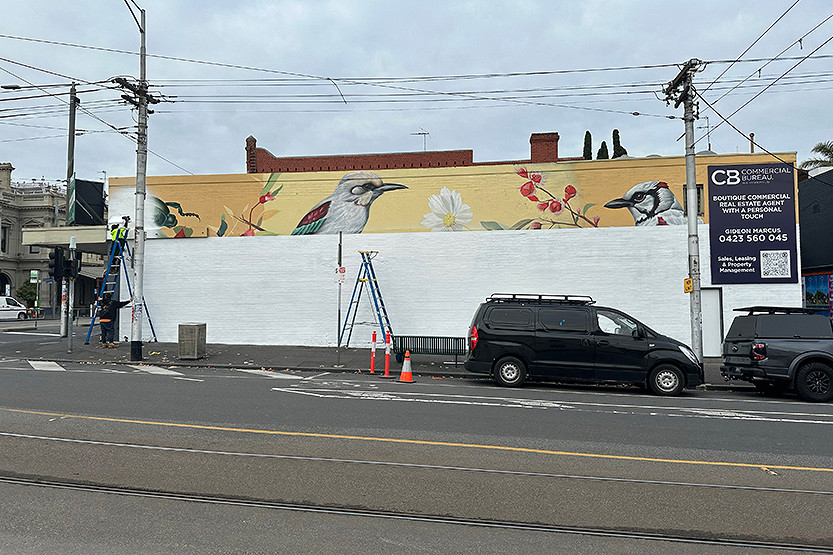
The painting-over of a popular North Melbourne mural has prompted bewilderment from those involved in creating it as well as for many members of the community who regarded it as a precious local landmark.
Read More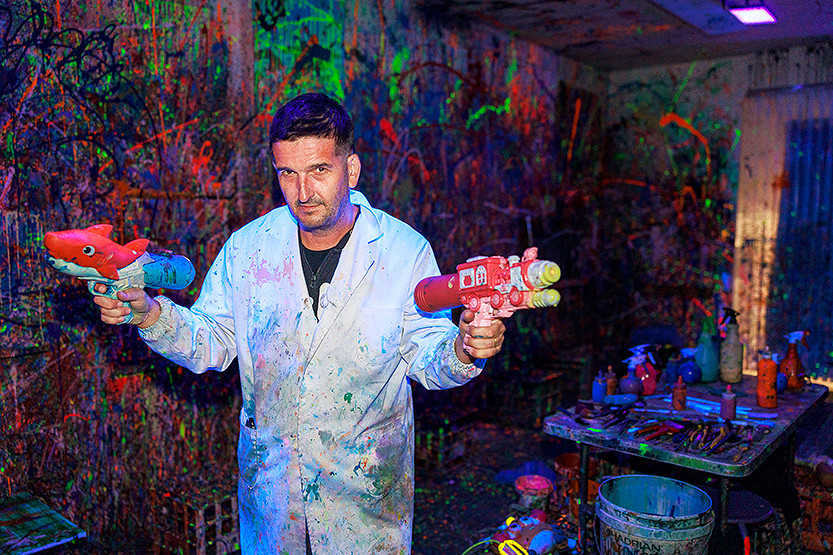
Café a gateway to rare blend of art and initiative
West Melbourne’s Blender Studios now has a café that aims to bridge the gap between the multi-faceted street art enterprise and its local community. Meanwhile founder Adrian Doyle is going hard on an extraordinary range of projects.
Read More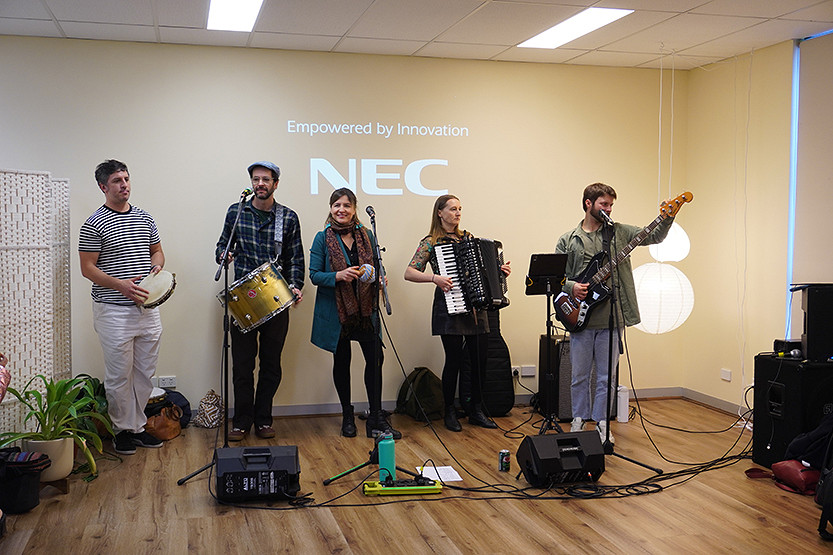
Brazilian Cultural Centre opens in Kensington
Victoria’s first Brazilian Cultural Centre has opened in Kensington, creating a new home for Melbourne’s Brazilian community to connect, celebrate culture and access support services.
Read More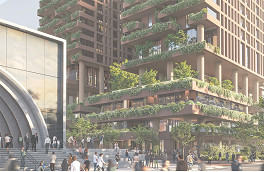
State fast-tracks Arden tower despite council warning
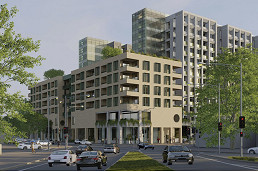
“An appalling process”: Council warns Macaulay vision is being pulled apart
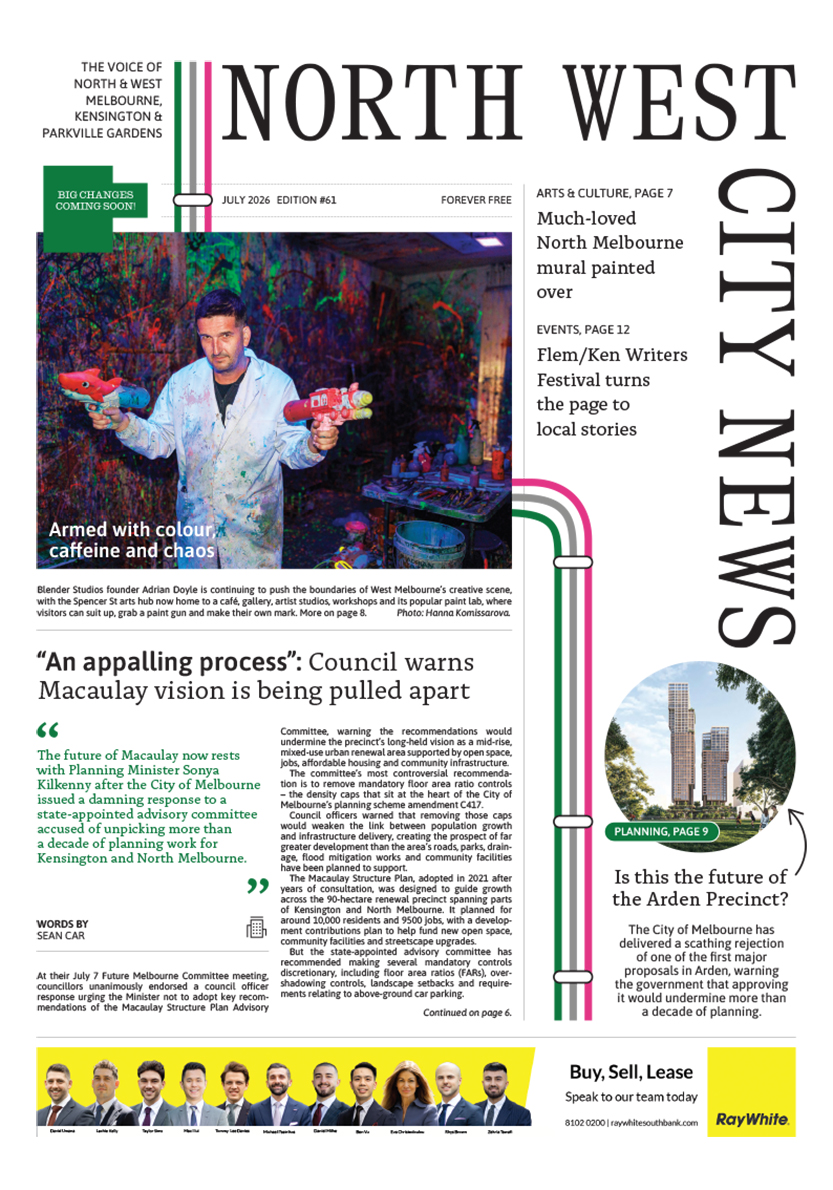 Download the Latest Edition