The hell that was Camp Pell
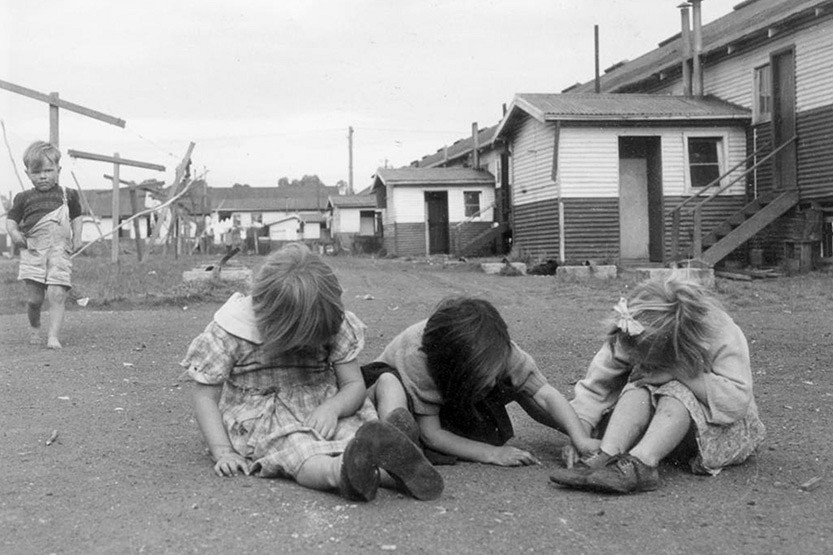
Camp Pell was named after Major Floyd J. Pell, a US airman killed in 1942 defending Darwin against a Japanese air attack. It was situated in Royal Park during the Second World War, used as a base for American and other Allied forces.
When the war ended in 1945 it was transformed into emergency housing, mainly for people who were evicted from their homes due to slum clearance. A major slum clearance was taking place in nearby North Melbourne, the area known as “Happy Valley”.
An article from ABC News dated August 17, 2018, states that: “The settlement came to be known as ‘Camp Hell’ and was known as one of Melbourne's roughest slums – maybe the roughest.”
An article in the Melbourne Herald dated September 21, 1954, begins: “Death, violence and misery – and political despair – have walked hand in hand with Melbourne’s model slum, Camp Pell.”
The article lists the many dangers and difficulties experienced or potentially faced by the residents caused by poor infrastructure and inadequate facilities.
Summer presented the problem of frequent water shortages, sometimes the complete lack, of water and the consequent fire risk. While in winter the ground was often flooded, waterlogged or covered with mud. In July 1952 a child drowned on a building site within the camp.
Electricity supply would sometimes short circuit and was consistently unreliable.
In November 1951 a blocked sewer threatened the health of a great many residents and in the same month the chairperson of the parks and gardens committee of the Melbourne City Council was asking for the camp to be closed. He was quoted as saying “Camp Pell is a damned disgrace. The government has a duty to get Australian children out of this atmosphere.”
Theft and wilful damage were ongoing problems. In December 1952, 10 copper boilers were stolen one weekend from the communal laundry, glass was smashed in nearly every telephone booth, while four streetlamps out of six were stolen as soon as they were replaced.
In January 1953, 10 children were carried to safety when six cars caught fire, and a hut was set alight.
In the same month it was reported that families of four had to eat, sleep and wash in one evil-smelling room, while pregnant women had to attend filthy public lavatories and bathrooms. The list was ongoing …
The article also mentions some of the many approaches made to the state government, particularly by the Melbourne City Council, and its responses. In January 1953 the Minister for Housing acknowledged that he could “make no promise – he didn’t know when the camp would be closed”. In June the following year he ordered an immediate survey of the camp, and the count was 569 families living there.
Relief came with the building of the Olympic Village at West Heidelberg for those competing or otherwise involved in the 1956 Olympic Games. Once the Games were completed this provided accommodation for many of the Camp Pell residents.
On its closure the camp area was restored and redeveloped by the council, which included sports ovals and other facilities.
As you drive along Brens Drive toward the Victorian State Netball and Hockey Centre you pass a small stone sentry box that was used as a military checkpoint. •
Related Articles
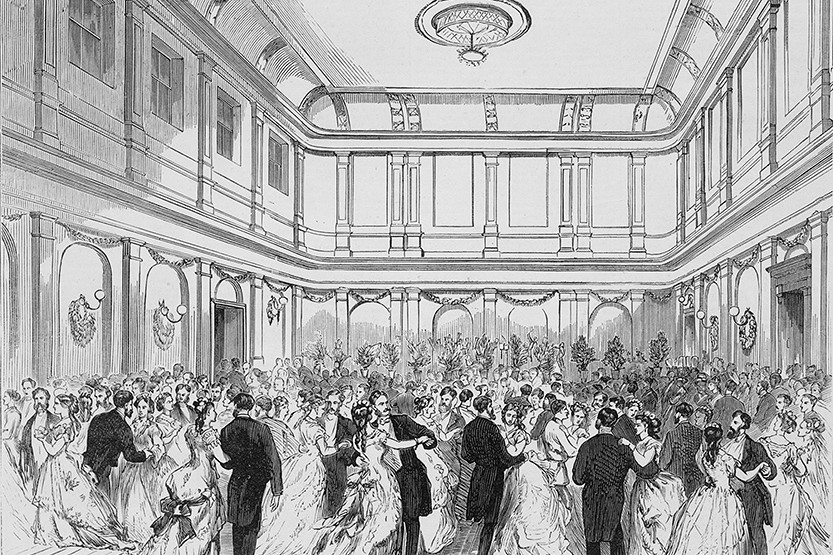
Hotham (North Melbourne) Town Hall
The North Melbourne Town Hall (known today as the Arts House) was officially opened on June 27, 1876.
Read More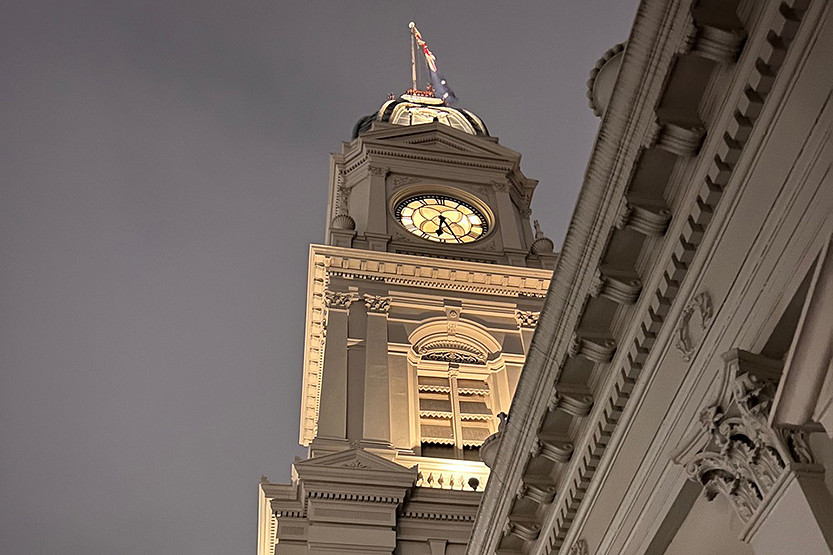
History comes alive on Errol St
On June 20, Errol St became the setting for the second Winter Solstice Street Party, a local celebration of the longest night of the year supported by the Hotham History Project.
Read More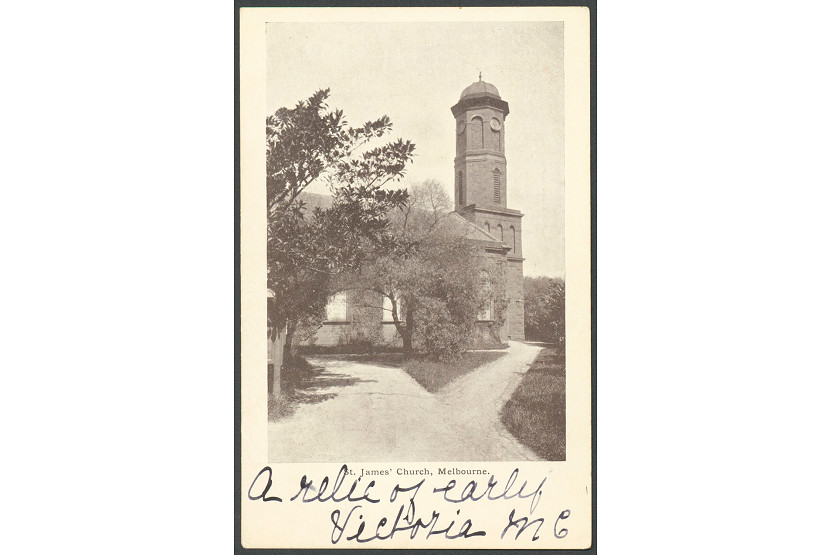
The history of St James Old Cathedral
St James Old Cathedral, on the corner of King and Batman streets, directly opposite the Flagstaff Gardens, is an important building in the early history of Melbourne.
Read More
Meet Ted – Brown Dog’s very own Brown Dog
New-look Joe Taylor brings Thai flavours to Errol St
 Download the Latest Edition