All the medicine we need is in nature
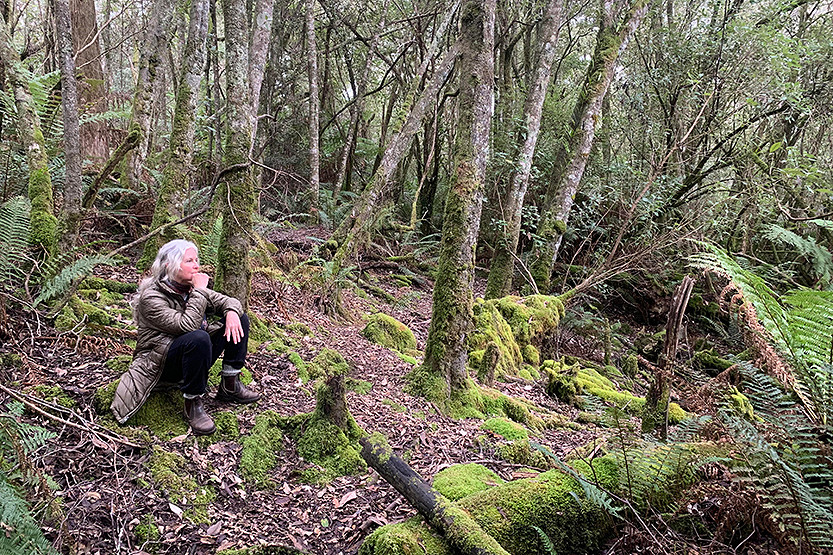

Nature is always trying to remedy. In our neighbourhoods you will see pioneer plants relentlessly breaking their way through cracks in cement and pathways to remind us of the environment we should be living in.
These plants tirelessly continue to try repair the damage and bring balance to a world of asphalt and cement.
In cities like Melbourne so much of nature has been removed that we have to intentionally green our neighbourhoods. Often this green space competes with development of housing, buildings, sports stadiums and other pressures of inner-city living.
Faced with our past behaviours which damaged our soils, the resulting narrative is “these contaminated soils need covering up” – creating more impervious surfaces and less nature. An alternative is to repair the soil so we can grow our medicine in the cities.
A growing body of evidence shows that time in nature improves our sleep, boosts our moods and lowers risks of diabetes and cardiovascular disease among others. Nature therapy and forest bathing (shinrin-yoku in Japan) have been shown to improve mental health and lower the odds of anxiety and depression.
In the US, research shows where there are fewer parks, fewer trees and less investment in green space, health suffers. Neighbourhoods shaped by disinvestment that lacks safe green and blue spaces experience higher air pollution, noise pollution, less trees, urban heat islands and greater health burdens.
Their research reveals stark differences between low-income neighbourhoods, and wealthier parts of the city where fewer trees and more asphalt results in several degrees hotter in summer than wealthier parts of the same city. These differences reflect higher asthma rates, more heat-related illnesses and greater cardiovascular stress. In the US, your post code is a powerful predictor of health, because it signals socioeconomic status and shapes daily exposure to or exclusion from nature.
The daily presence of nature with its quite rhythms and restorative power, should not depend on your postcode or income. Natures medicine should be available to all.
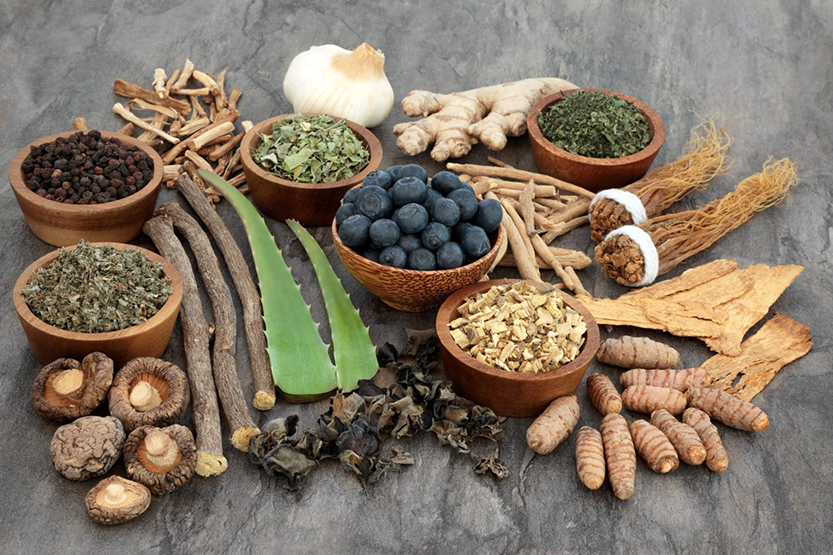
The healing properties of plants in their original form, are well documented and Nature plays a crucial role in many of the modern medicines used today.
Most Indigenous cultures have long centred health in relationship to land. Aboriginal Australians have used native plants as bush medicine for thousands of years.
Larrakia Elder Richard Fego, based in Darwin, is teaching medical students how nature can heal and leads Indigenous knowledge session and bush medicine workshops. “We are surrounded by food and medicine,” he says.
The Urban Forest Fund (now offering community grants) provides an opportunity to continue to increase the trees and understory in our city and the launch of City of Melbourne’s Garden City Guidelines encourages and allows community to create more green space and biodiversity without needing a permit. •
Related Articles
Love is the most ancient practice of land care
For First Nations people it’s embedded in the way they relate to land, the sea, birds, animals, stones, rivers, etc. Connection, listening to and caring for are part of the practice.
Read More
Preparing for the effects of multiple shocks – a fuel shortage, El Nino, flood and fire
Community groups are the cornerstone of local resilience.
Read More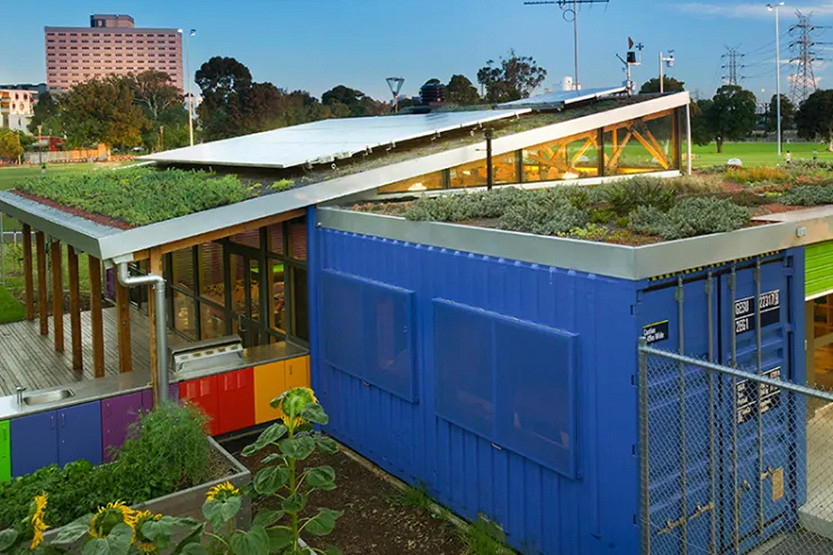
Cooling our neighbourhoods
Changes in land cover due to increased urbanisation can affect the urban environment and climate substantially.
Read More
Meet Ted – Brown Dog’s very own Brown Dog

New-look Joe Taylor brings Thai flavours to Errol St
 Download the Latest Edition