Preparing for the effects of multiple shocks – a fuel shortage, El Nino, flood and fire
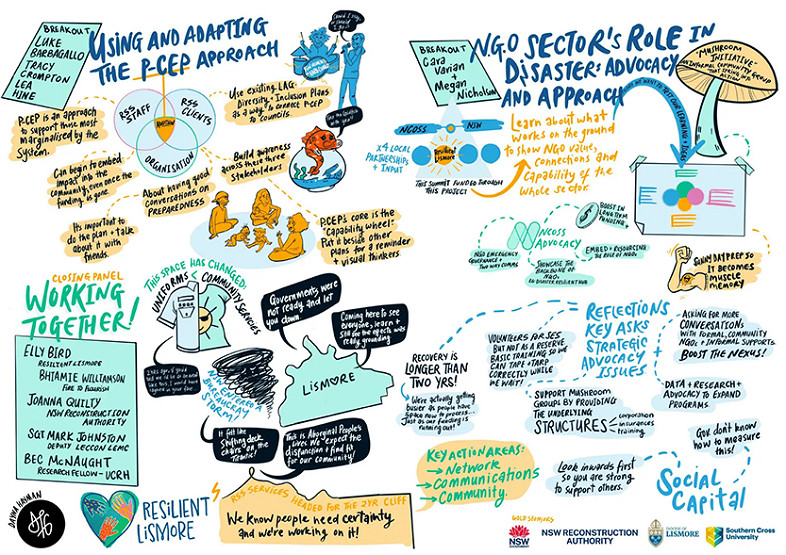

Community groups are the cornerstone of local resilience.
Across Australia grassroots organisations and local networks are mobilising communities to better prepare for, respond to, and recover from shocks like flood, fires and other stresses.
What will be the ripple effects of the restricted movement of one fifth of the world’s liquefied natural gas and oil through the Strait of Hormuz. While countries can rely on their “reserves” for a period, unless the Strait is “reopened”, we can assume there will be further impacts.
The domino effect of this situation is widespread as oil is in everything – our food supply chains, our energy, our water, our transport, our sewerage. Australia relies on imports for more than 90 per cent of its liquid fuel needs.
When these stressors hit, what is the condition of our systems to manage them.
Community groups and movements such as Local Futures, Permaculture, Transition Towns, Remake the World, Degrowth, Resilience Lismore and many other regenerative organisations have been looking at how we can live in a world which does not rely on fossil fuels and so much extraction and there are lessons to be learnt from their approach.
As well as from those communities who have faced such crises like Lismore in New South Wales after the floods.
Dr Jean Renouf, founder and chair of Plan C, states that we are living through sustained disruption – climate stress, technological acceleration, geopolitical instability and rising psychosocial strain and that the question is no longer whether disruption will occur, but how we live and lead when it does.
He encourages us to not prepare in a way that is about competing and surviving apart from your community and seeing them as competition for food, energy, resources.
He has written many articles about resilience and recently in an online webinar discussing the fuel crisis talked about preparing in three areas – practical, social and emotional.
Consider the practical elements such as food, water, energy, shelter and build capability that connects outward to neighbours, community groups, local food networks, informal care systems and relationships.
Build the social infrastructure that evidence consistently shows matters most when systems fail. He encourages us to know our neighbours well enough to ask for help and to offer it.
He continues to encourage us to belong to networks – a street, a sporting club, a local resilience group, a faith community as this is where reciprocal support already exists and is normal and does not have to be invented under pressure.
People who face this uncertainty with these relationships fare better in wellbeing, decision quality and in the capacity to keep functioning than those facing the same condition in isolation.
The most protective response is to build genuine resilience before it is needed. •
Related Articles
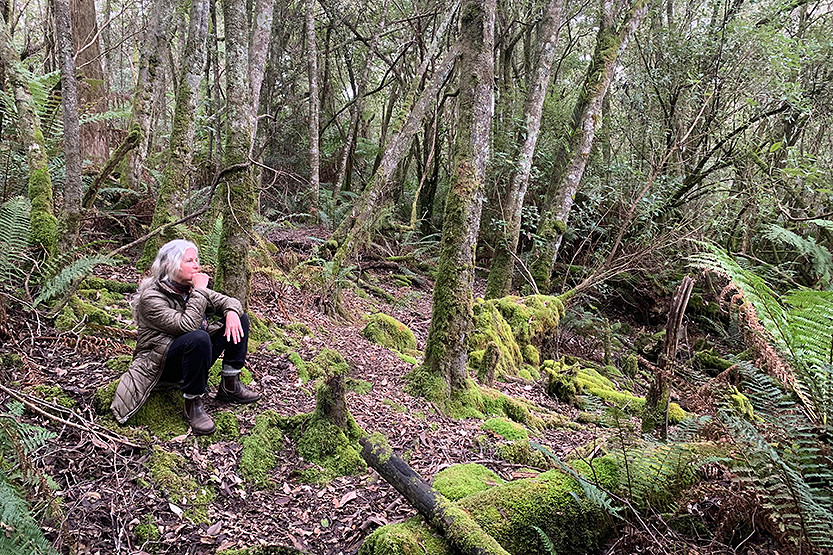
All the medicine we need is in nature
Nature is always trying to remedy. In our neighbourhoods you will see pioneer plants relentlessly breaking their way through cracks in cement and pathways to remind us of the environment we should be living in.
Read More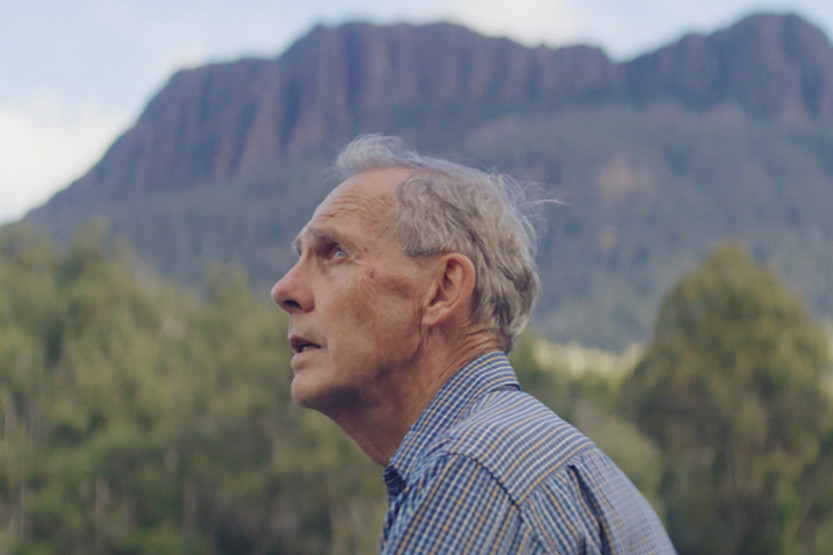
Love is the most ancient practice of land care
For First Nations people it’s embedded in the way they relate to land, the sea, birds, animals, stones, rivers, etc. Connection, listening to and caring for are part of the practice.
Read More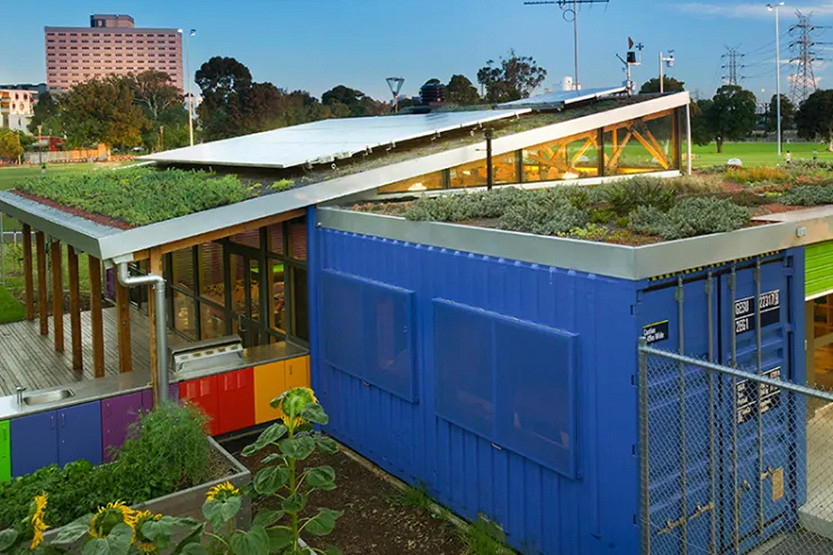
Cooling our neighbourhoods
Changes in land cover due to increased urbanisation can affect the urban environment and climate substantially.
Read More
Meet Ted – Brown Dog’s very own Brown Dog

New-look Joe Taylor brings Thai flavours to Errol St
 Download the Latest Edition