Love is the most ancient practice of land care
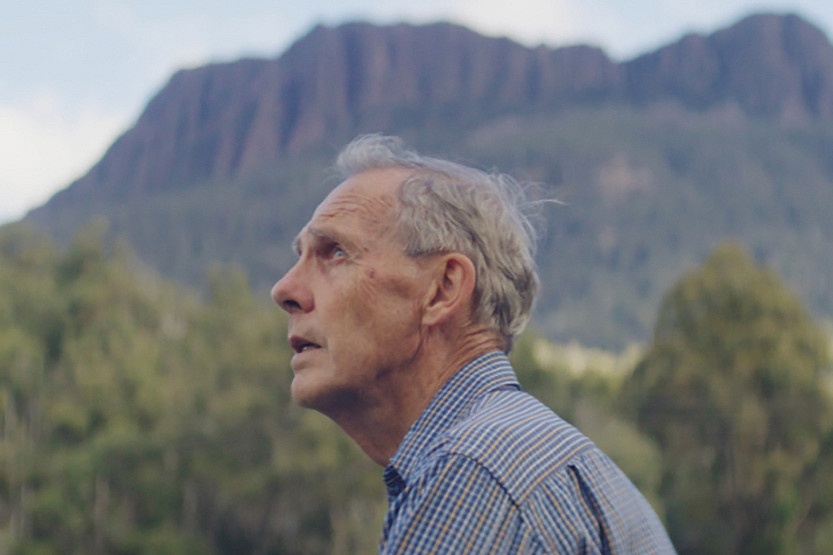

For First Nations people it’s embedded in the way they relate to land, the sea, birds, animals, stones, rivers, etc. Connection, listening to and caring for are part of the practice.
Love for the land shifts our relationship from one of extraction to one of stewardship. A common meaning of stewardship is “the careful and responsible management of something entrusted to one’s care”. Some say this puts humans in a position of “dominance over” whereas Indigenous cultures view us as part of the web of life.
Victorian Aboriginal Heritage Council’s statement on their website says “Cultural Heritage is the legacy we inherited from our Ancestors. And it includes responsibilities to protect both the physical aspects – land, water, flora, fauna and today, archaeology; and the intangible aspects – our story, language, mythology and lore. Our Ancestors understood that caring for Country allowed Country to care for them”.
When did we stop caring for land that environmental movements had to begin?
Rather than a single moment in time, a series of accelerating phases such as the Industrial revolution, the colonial era, to the present advent of synthetic fertilisers, heavy mechanisation and global supply chains post-World War II have seen humanity’s relationship shift from reciprocal custodianship to mass exploitation.
Pre-industrial times showed a greater respect and awareness for nature in general, as most people lived and worked within it. Yet several civilisations perished because of environmental collapse. Even back in Palaeolithic times it has been reported that over hunting by humans caused extinction, and maybe the impact was not so significant as there were much less humans than there are today.
When we become disconnected from place, is this when we stop caring? When we are moved off our homelands by war, famine – displacement taking us to lands we were not born in - does this impact our care for land?
Greening needs to occur in our hearts and our minds.
“Coming to love the land involves coming to view the land’s interests as our own” says R. Briggs in an environmental ethics extract from The Greening of Heart and Mind: A Love Story.
Returning to love as a way to care for the land means moving from a mindset of ownership to one of kinship. Some things we can do are cultivate daily intimacy, track seasonal changes, practice gratitude, take only what is needed, leave spaces better, give back to the soil – the foundation of life.
Align with Indigenous wisdom and foster biological health.
When we return to this and advocate for the wellbeing, caring and nurturing of land (directly related to the wellbeing of humanity) we will not allow the rapid technological and other advances such as AI data centres to go unchecked.
Greening is not just an external landscaping project; it is a profound internal shift. •
Related Articles
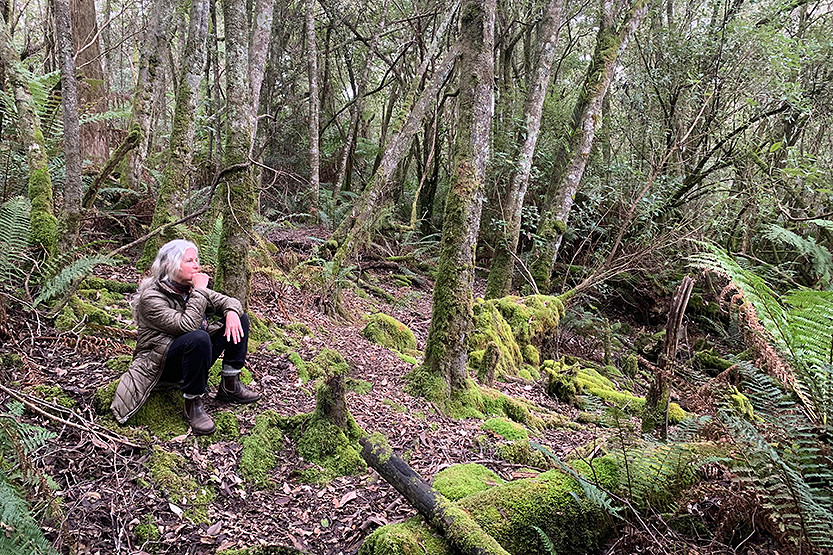
All the medicine we need is in nature
Nature is always trying to remedy. In our neighbourhoods you will see pioneer plants relentlessly breaking their way through cracks in cement and pathways to remind us of the environment we should be living in.
Read More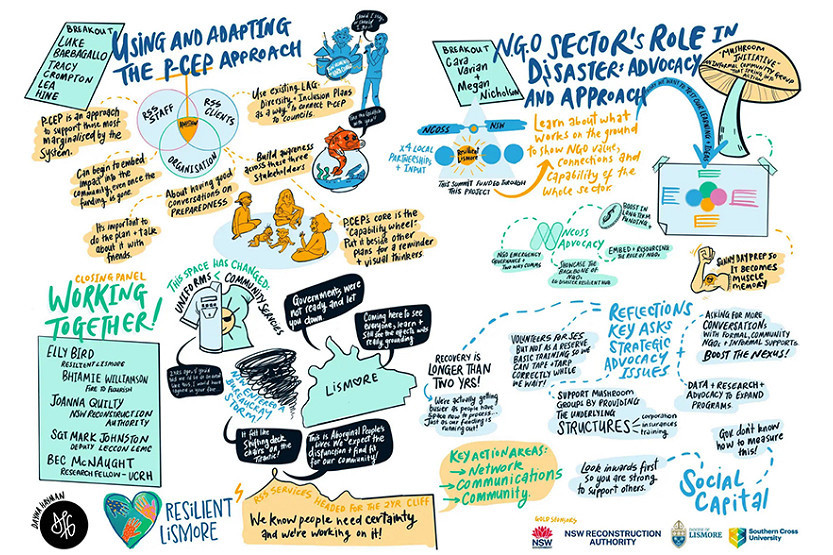
Preparing for the effects of multiple shocks – a fuel shortage, El Nino, flood and fire
Community groups are the cornerstone of local resilience.
Read More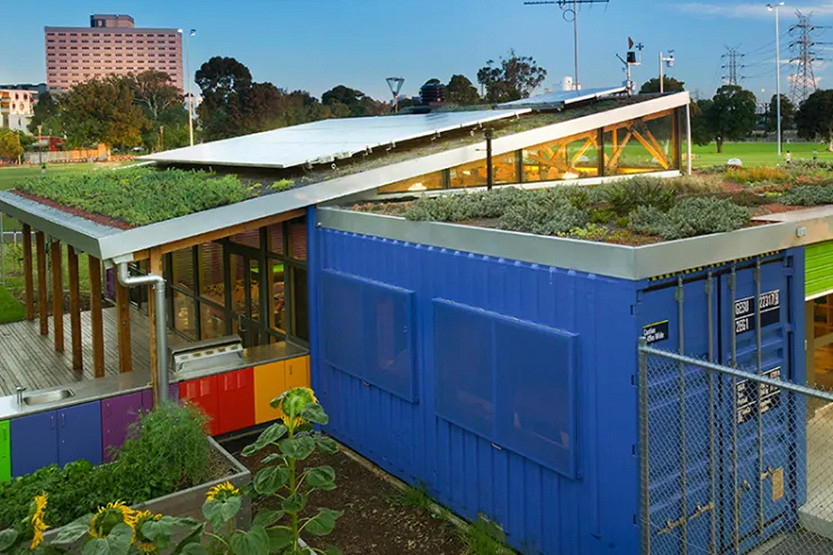
Cooling our neighbourhoods
Changes in land cover due to increased urbanisation can affect the urban environment and climate substantially.
Read More
Meet Ted – Brown Dog’s very own Brown Dog

New-look Joe Taylor brings Thai flavours to Errol St
 Download the Latest Edition