Are Indigenous decision-making processes required for new technological advances?


Indigenous decision-making processes have historically demonstrated high effectiveness through community-based, consensus-driven, and long-term sustainable approaches that have enabled resilience over thousands of years.
These systems prioritize collective wellbeing, stewardship of the land, and the inclusion of diverse perspectives, particularly through the guidance of Elders.
Whenever new technology moves quicker than the opportunity for community and society to think through consequences there inevitably is damage to the planet and our well-being with a handful of people making incredible gain.
Major tech companies (Google, Microsoft, Meta) are creating huge damage to our planet and potentially to our well-being through the Artificial Intelligence (AI) Industry. They are bounding ahead without the legal, ethical or social frameworks needed to govern them.
Then there is a scramble for retrospective policies/regulations to address what needed to be considered at the outset because of the resulting consequences.
A key example includes the rapid rise of social media and algorithm decision-making which have disrupted democratic processes and exacerbated inequalities before regulations could be established. And has led to significant mental health damage among teenagers.
Social media platforms allowed for the rapid spread of fabricated information, which was exploited during major political events (e.g., the 2016 US election and Brexit) to manipulate voters before regulatory frameworks were in place.
We can look back further to when chemical sprays (insecticides) were introduced and the damage caused to insect and bird life that also led to a number of adverse effects on human health (according to published medical journals) that include various types of cancers, Alzheimer’s disease, Parkinson’s disease, infertility, leukemia and diabetes.
This is recurring again with the significant and technological development of AI. The AI industry consumes immense energy for training and running models, requires massive water usage for cooling its data centres (a single large facility potentially using approx. 19 million litres daily), generates significant electronic waste and requires the mining of finite, raw minerals.
Multiple sites have been approved for AI data centres without consulting with community. They are significant sources of noise and light pollution impacting nearby communities and ecosystems as they operate 24/7 emitting a constant low-frequency hum from cooling and power systems.
Residents near these sites report decreased quality of life, with noise pollution linked to stress, sleep disturbances, and potential long-term health risks like cardiovascular issues.
Unchecked technological advances, particularly in artificial intelligence (AI), are often permitted by a combination of “Big Tech”’s push for profit, arguing that proactive regulation hurts development. Government initiatives that prioritise speed and economic growth over comprehensive community consultation. Existing laws often cannot keep pace with new tech resulting in erosion of privacy, lack of digital equity and transparency.
Indigenous cultures would check these technology advances by applying, long-standing, community-based, and holistic protocols that prioritise the health of “Country” – all-encompassing systems of land, water, sky, and people – over short-term efficiency or profit. •
Related Articles
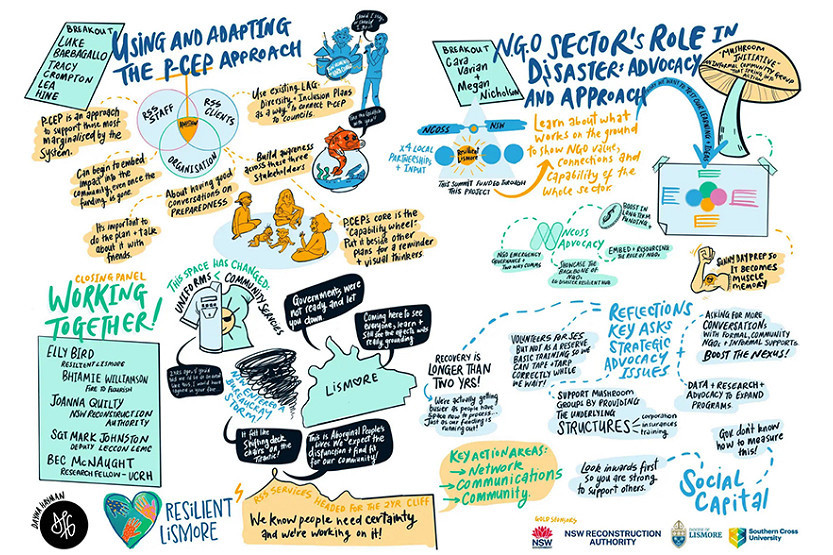
Preparing for the effects of multiple shocks – a fuel shortage, El Nino, flood and fire
Community groups are the cornerstone of local resilience.
Read More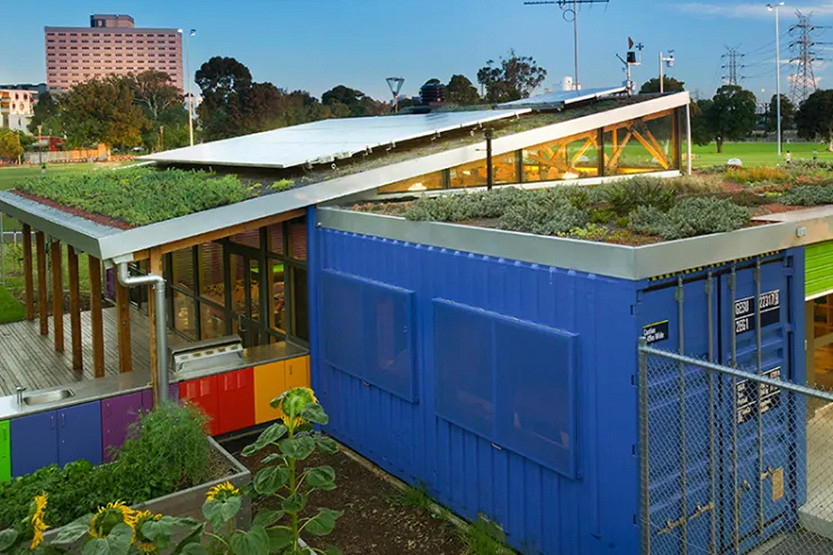
Cooling our neighbourhoods
Changes in land cover due to increased urbanisation can affect the urban environment and climate substantially.
Read More
The good news …
With powerful nations rolling back climate protections, temperatures soaring and extreme weather conditions increasing, eco-anxiety is on the increase.
Read More
Council’s infrastructure plan sharpens focus on schools, hubs and open space in city’s north-west

Kensington church sold to faith-based community
 Download the Latest Edition