Council’s infrastructure plan sharpens focus on schools, hubs and open space in city’s north-west
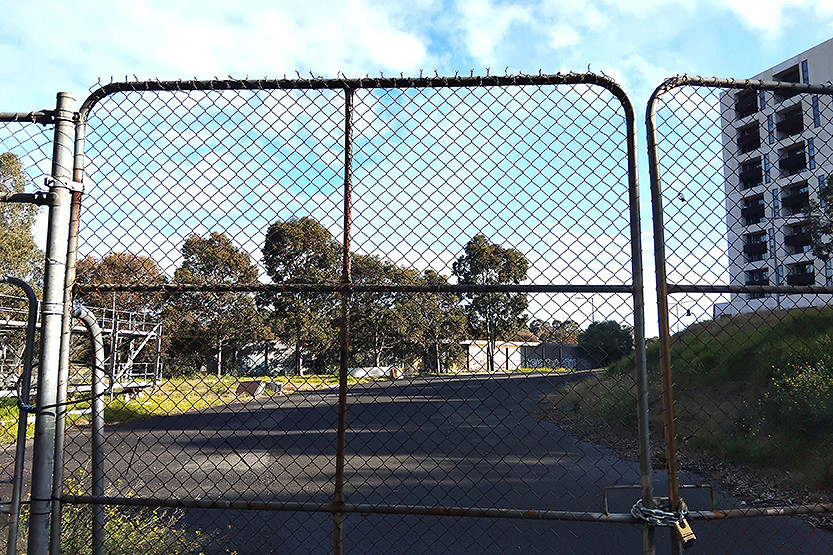

The City of Melbourne will consider a new 10-year Community Infrastructure Plan on June 16, with the city’s fast-growing north-west emerging as one of the clearest pressure points for future schools, community hubs, early years services, recreation facilities and open space.
The plan, which will be considered at the next Future Melbourne Committee meeting, sets out a city-wide framework for planning, delivering and advocating for community spaces across Melbourne between 2026 and 2036.
But for Kensington, Arden, Macaulay, Dynon, Maribyrnong Waterfront, North Melbourne, West Melbourne and Parkville, the document is also a clear signal that population growth and urban renewal are continuing to outpace the infrastructure needed to support inner-city communities.
The report notes that Melbourne’s residential population is forecast to exceed 292,000 people by 2043, alongside a much larger daily population of workers, students and visitors.
Lord Mayor Nick Reece said it had “never been more important” for the council to have a clear roadmap for delivering vital community infrastructure.
For the first time, our new Community Infrastructure Plan will give us a city-wide blueprint of our community spaces – identifying what we have today, where the gaps are, and what our neighbourhoods need in the future, Cr Reece said.
“The City of Melbourne is one of Australia’s fastest growing areas and we desperately need community infrastructure to maintain people’s quality of life.”
“Growth isn’t just in the suburbs, and it is only fair that Melbourne’s famous liveability extends to residents of high-density, inner-city apartments.”
One of the most significant themes for the north and west is education, with the council to advocate to the Victorian Government for new schools in multiple growth areas.
In the north-west district, which includes Kensington, Arden, Macaulay, Dynon and Maribyrnong Waterfront, the plan identifies the need for a new secondary school. The council says broader community need should be considered early in planning to support shared use arrangements, allowing school facilities to also benefit the wider community.
In the south-west district, which includes West Melbourne, Docklands, E-Gate and Fishermans Bend, the council says it will advocate for new and/or expanded primary schools in West Melbourne and Docklands. However, it doesn’t make mention of a secondary school specifically in this region.
The push comes as Docklands Primary School, which opened in 2021, is already at capacity, while West Melbourne continues to experience major growth and lacks indoor community spaces managed by the City of Melbourne.
The plan also identifies strong future demand in Arden, where the population is forecast to grow from 449 residents in 2023 to more than 8000 by 2043. Over the same period, Macaulay’s population is expected to rise from 3537 to 9688 residents, while Kensington is forecast to grow from 11,547 to 16,871.
In the short term, the council says growth will increase demand for early years services, while Arden will also require a primary school, family services and a range of flexible community spaces as development accelerates around the new Arden Station.
Among the major local projects listed for the next four years is the new North Melbourne Community Hub on Melrose St, which will co-locate services from the Jean McKendry Neighbourhood Centre and North Melbourne Community Centre.
The council will also explore redevelopment options for the existing North Melbourne Community Centre and Buncle Street Reserve, with the report suggesting the site could support a sports and recreation-focused hub, expanded open space and additional land for organised and unstructured sport.
In Kensington and Macaulay, open space is another major focus. The council will finalise the design and delivery of the new 3600-square-metre Chelmsford St open space and plan for further open space improvements identified in the Open Space Strategy, Macaulay Structure Plan and Arden Structure Plan.
This includes the acquisition of land to expand Robertson St Open Space and temporary activation of land along the rail corridor and Moonee Ponds Creek, in partnership with the Victorian Government and local community.
The report says the north-west is generally well served by aquatic and recreation facilities, including the Kensington Community Aquatic and Recreation Centre and JJ Holland Park, but still faces demand for additional open space and land for both organised and unstructured sport.
Future ideas include upgrading recreation assets, revitalising facilities such as the JJ Holland Park skate park, reviewing early years and maternal and child health services in Kensington, Arden and Macaulay, and exploring the purpose and activation of the Kensington Town Hall precinct.
For Parkville Gardens, the plan directly acknowledges a long-running community request for better local facilities in north-west Parkville.
The report says the council should “consider the need for a community hub in north-west Parkville to provide access to programs and services, including flexible community, health and wellbeing spaces”.
It also identifies demand for maternal and child health, family services and early years education spaces in Parkville, while noting that north-west Parkville is less connected to the rest of the municipality and lacks flexible, bookable community spaces.
Other north-east projects include finalising the Royal Park Masterplan, reviewing existing pavilions for broader community use, working with universities and institutions to open facilities for organised sport, learning and bookable space, and advocating for health and wellbeing spaces as part of the Parkville Precinct redevelopment.
Cr Reece said the plan would help the council identify where community spaces were most needed and how they could be delivered.
“As Melbourne grows, we want to ensure people have places to come together – whether that’s a local community hub or sport and recreation facilities,” he said.
“This plan identifies where those spaces are needed most so we can get on with the job of delivering across our neighbourhoods.”
The plan identifies 43 community space projects to be progressed over the next four years through delivery, planning, partnerships or advocacy. It also makes clear that the council cannot deliver all community infrastructure alone, with partnerships with schools, universities, developers, government agencies and private landowners expected to play an increasing role.
If endorsed, the council will publish an interactive online version of the plan and report on progress annually, with a major review every four years. •
Related Articles
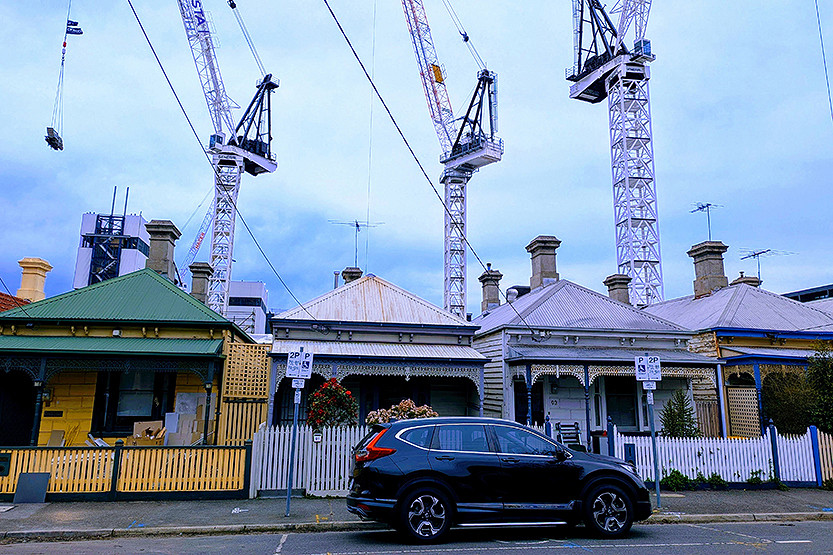
Lord Mayor and residents slam state over Macaulay planning controls
Lord Mayor Nick Reece has launched a stinging attack on the state government’s handling of Macaulay, accusing Planning Minister Sonya Kilkenny of undermining more than a decade of planning work.
Read More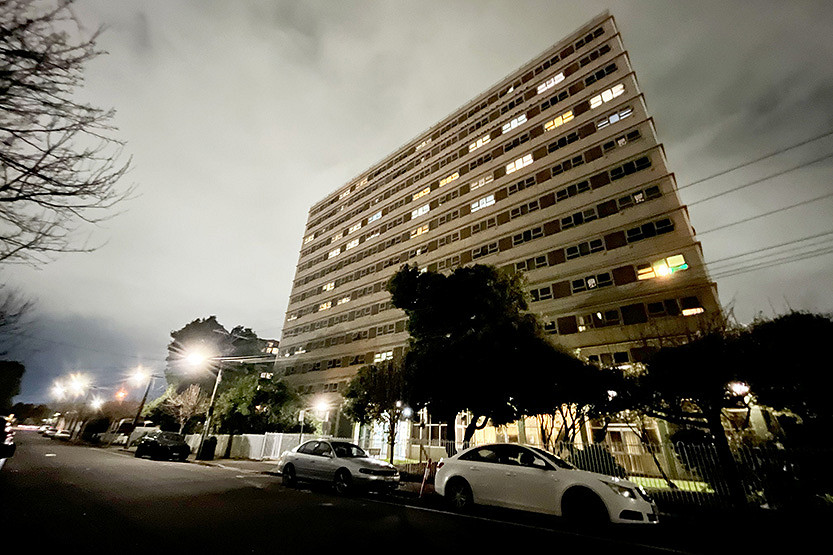
Older public housing residents rally to save their homes
A large group of older residents from public housing towers slated for demolition descended on state parliament this month with a petition calling for the plan to be halted.
Read More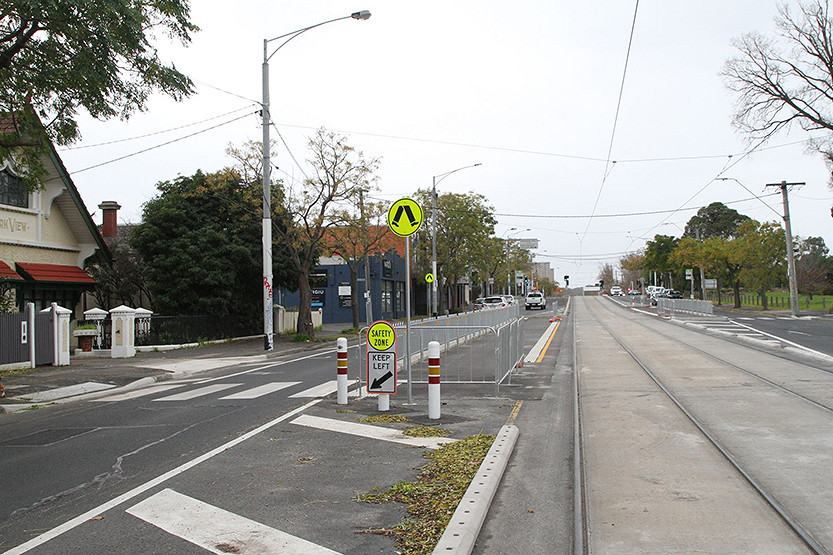
Safety fears over new Racecourse Rd tram stop crossing
The pedestrian crossings at either end of a new tram stop in Racecourse Rd are unsafe, according to local residents, including a woman who suffered serious injuries when she was hit by a car at one of them.
Read More
Meet Ted – Brown Dog’s very own Brown Dog
New-look Joe Taylor brings Thai flavours to Errol St
 Download the Latest Edition