Damning cohealth review calls for final warning as confidence in board collapses
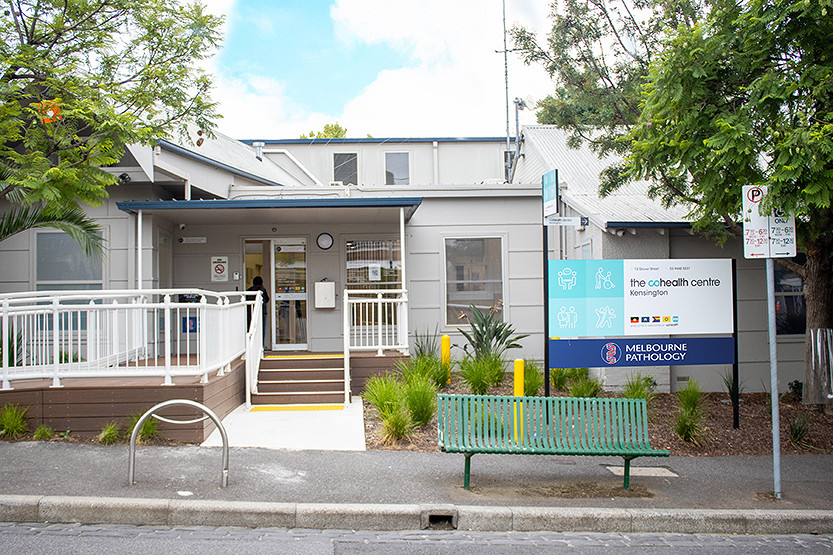

A scathing independent review into cohealth has found serious failures in governance, management and financial oversight, recommending that the Victorian Health Minister formally put the embattled community health provider on notice or consider a complete government takeover.
The long-awaited report into cohealth’s general practice and related services was released by the federal government on June 3, months after community outrage erupted over the organisation’s decision to close its GP clinics in Collingwood, Fitzroy and Kensington.
The review, led by Professor Stephen Duckett AO with Dr John Furler and Jane Seeber, found the three clinics were running at a loss, but rejected cohealth’s repeated public argument that Medicare funding was the main cause of the problem.
Instead, the panel found the clinics’ financial problems were driven by four interrelated factors: cohealth’s management oversight and governance, its model of care, the complex needs of its client base, and the Medicare Benefits Schedule funding model.
Contrary to the views expressed publicly by cohealth … we found that ineffective governance and management had also contributed significantly to cohealth’s financial problems, the report said.
It concluded that cohealth’s clinic losses were partly driven by its management of GPs and clinics, patient appointment scheduling, and the way overhead costs were allocated.
The report was particularly blunt about confidence in the organisation’s leadership.
“We therefore have limited confidence that the Board of cohealth will engage with or correct the underlying issues,” it said.
It also found cohealth had not met relevant performance standards for community health services, including effective management, financial management and risk management.
The review recommended Victorian Health Minister Harriet Shing formally provide the report to cohealth and invite it to show cause why she should not form the view that cohealth is “ineffectively managed” and/or has failed to meet one or more performance standards.
While the report stops short of immediately recommending the board be stood down, it says the Minister could pursue a more transformational option under the Health Services Act, including dismissing the board and appointing an administrator.
If that path is not adopted, the review says the Victorian Department of Health should impose clear performance targets, stronger oversight, possible board renewal, and conditions on government funding.
Ms Shing told multiple outlets it was her “strong expectation” that cohealth demonstrate the “integrity, transparency and accountability required to deliver the important health services some of our most vulnerable community members rely on”, noting the state government provided $68 million to cohealth last year.
For local campaigners, the report has confirmed many of the concerns raised since cohealth announced the planned clinic closures last year.
Save Our Community Health said the report “starkly describes the alarming lack of governance and management” for cohealth services in Kensington, Fitzroy and Collingwood.
“There is nothing in the report that gives us confidence that the cohealth board and management will turn community health services around,” the group said.
“It is now a matter of urgency that cohealth, state and federal government engage with the community to action the recommendations.”
The campaign said the review’s recommendations aligned with its calls for transparency, accountability, appropriate funding, saving the Collingwood site and reinstating services such as pharmacy and counselling.
It also welcomed the recommendation that cohealth formally acknowledge the traumatic impact of its decisions on staff and the community.
The review heard from about 100 people and received 326 submissions, more than half from patients or clients. It found patients were overwhelmingly positive about the care they received from cohealth’s frontline GPs, nurses and allied health staff, but deeply distressed by the decision to close services and the way it was communicated.
The report said submissions showed strong negative sentiment towards the closure decision, with patients concerned about vulnerable neighbours, continuity of care and the likely pressure on hospitals if services were lost.
It found cohealth’s claim that patients could easily transition to other local providers was “disingenuous”, noting there were no other fully bulk-billing practices in Collingwood, Fitzroy or Kensington taking new patients.
The review also criticised cohealth’s engagement with its own clinicians, finding there was “little evidence” of sustained efforts to work with GPs on improving clinic viability before closure was presented as a fait accompli.
Professor Duckett previously told this masthead he was appalled by what he found during the review process, particularly the distress caused to patients and the breakdown of trust between cohealth’s leadership, staff and the communities it serves.
Despite its criticism of cohealth’s management, the review also found Medicare funding needed to change, particularly for community health services caring for patients with complex social, mental health and medical needs.
It recommended the Commonwealth extend support for cohealth for another two years, use it as a pilot for a new multidisciplinary primary care funding model, and add community health services serving high-need communities to GP training settings.
For its part, cohealth welcomed the review’s release, saying it provided a “clear pathway” to long-term reform of multidisciplinary general practice care.
The organisation said the review confirmed its clinics delivered high-quality care to highly complex and disadvantaged communities, and that existing Medicare funding was structurally misaligned with the needs of multidisciplinary care.
cohealth said it accepted all recommendations directed to the organisation and had already begun reform work, including recruiting a chief medical advisor, strengthening governance arrangements, reviewing overheads and improving community and staff engagement.
It also acknowledged the process had been traumatic for some patients, community members and staff.
But the question now is whether governments and communities believe the existing organisation can rebuild trust quickly enough.
Save Our Community Health said, “clearly things must change if community health at cohealth will survive”.
“We want accountable governance and management, community engagement and sustainable community health care,” the group said. •
Related Articles

cohealth appoints transitional board chair amid governance reset
Community health provider cohealth has appointed experienced not-for-profit director Paul Geyer as its transitional board chair as the organisation continues a wider governance overhaul.
Read More
New treatment centre transforming cancer care at Royal Children’s Hospital
A purpose-built treatment centre at The Royal Children’s Hospital in Parkville is helping make repeated cancer procedures less daunting for young patients while freeing up operating theatres for more complex cases.
Read More
State appoints board monitor at cohealth
The Victorian Government has appointed a board monitor to cohealth following a damning independent review that found the embattled community health provider needed to rebuild confidence and restore community trust.
Read More
Meet Ted – Brown Dog’s very own Brown Dog

New-look Joe Taylor brings Thai flavours to Errol St
 Download the Latest Edition