Federal funding lifeline keeps Cohealth Kensington clinic open as long-term future remains uncertain
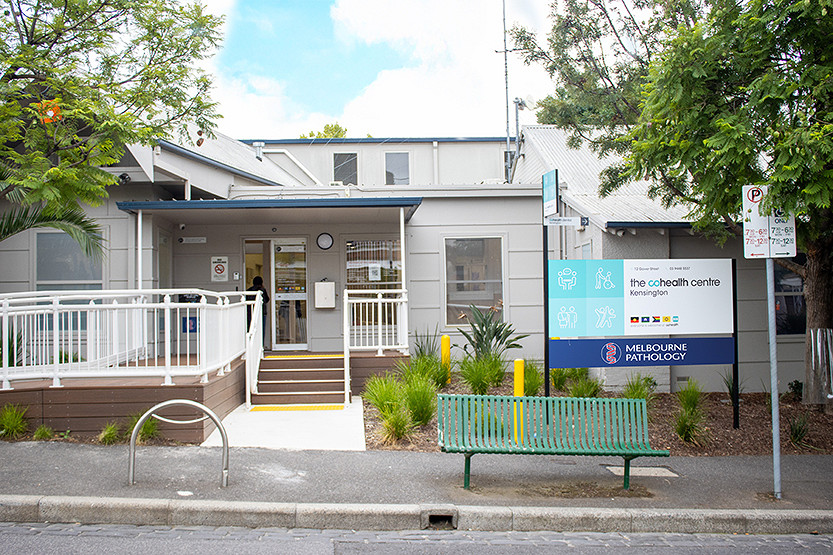

Three Cohealth GP-led community health clinics in Melbourne’s inner north and west have been granted a temporary reprieve, after the federal government stepped in with emergency funding to keep services operating until July 2026.
The commitment, jointly announced by Cohealth and the federal government, will ensure continuity of care for more than 12,500 patients across Fitzroy, Collingwood and Kensington – many of whom face chronic illness, homelessness, addiction, trauma or mental ill-health.
The $1.5 million federal investment, combined with Cohealth’s own contribution, follows months of concern over the potential closure of the clinics.
The decision comes after strong community advocacy and mounting pressure from peak health bodies.
Cohealth CEO Nicole Bartholomeusz said the extension offers immediate stability for clients and staff, but warned it remains a temporary stopgap.
“This extension means immediate continuity of care for thousands of Victorians who rely on trusted care from our doctors, nurses and care teams who understand their lives and their needs,” Ms Bartholomeusz said.
We are deeply grateful to our clients, families, community organisations and local leaders whose determination helped protect these services. Their courage and persistence made it clear just how vital these clinics are to their communities.
The extension followed a decision by the Cohealth board to defer planned closures after hearing concerns directly from clients and staff.
The organisation has delivered GP-led services for decades, often absorbing financial losses under what it describes as an underfunded model that does not account for the complexity of care required.
While the news of the extension has been met with temporary relief, Kensington resident and long-time Cohealth patient Seth Seiderman told North West City News he was concerned by the long-term impacts of its potential closure.
“I have been a patient of Cohealth for over 10 years and have relied upon my relationship with my GP for checkups, referrals and medical plans. I consider this to have contributed significantly to my overall wellbeing, and physical and mental health,” Mr Seiderman said.
“I am more concerned, however, that the significant number of aged and migrant patients will have few if any options, should the facility close.”
“It is vital to ensure that Cohealth continues to offer a range of vital health services, including GP visits that are so essential to preventative, ongoing and effective medical care.”
The federal government’s announcement has been welcomed by the Royal Australian College of General Practitioners (RACGP), which has publicly campaigned to keep the clinics open.
The college’s Victorian chair, Dr Anita Muñoz, said the funding would “save lives” but stressed the need for a long-term solution.
“These clinics provide invaluable care to some of the city’s most vulnerable patient groups,” Dr Muñoz said.
“If patients can’t access these services, their health and wellbeing will deteriorate, and many will instead present to hospital emergency departments. Our hospitals are already under tremendous pressure.”
RACGP Victoria addiction medicine spokesperson Dr Eric Hadinata said the timing of the near-closure was especially concerning amid ongoing cost-of-living pressures.
“These clinics are a lifeline for many patients with complex needs … Victoria is at a crossroads,” Dr Hadinata said.
As part of the agreement, the federal and state governments and Cohealth have endorsed an independent review into the GP-led complex care model.
The review will assess whether the current approach delivers the outcomes it was designed to achieve and how it can be made sustainable.
Cohealth said the review represented an opportunity to address long-standing structural issues, including funding models that do not reflect the time and multidisciplinary care required for patients with high health and social needs.
“Community health is slow, human-centred work and is the kind of work that keeps people alive,” Ms Bartholomeusz said. •
Related Articles
Damning cohealth review calls for final warning as confidence in board collapses
A scathing independent review into cohealth has found serious failures in governance, management and financial oversight, recommending that the Victorian Health Minister formally put the embattled community health provider on notice or consider a complete government takeover.
Read More
Funding lifeline for cohealth clinics, but management concerns remain unresolved
The federal government has pledged a further $1.5 million to help keep cohealth’s general practice services operating in Collingwood, Fitzroy and Kensington for another year.
Read More
Community group questions cohealth decisions ahead of government review
A community advocacy group has raised concerns about the actions of inner-city health provider cohealth, questioning how recent government funding has been used as an independent review into the organisation’s services nears completion.
Read More
Council’s infrastructure plan sharpens focus on schools, hubs and open space in city’s north-west

Kensington church sold to faith-based community
 Download the Latest Edition