The good news …

With powerful nations rolling back climate protections, temperatures soaring and extreme weather conditions increasing, eco-anxiety is on the increase.
With almost daily stories of destruction and loss of life due to the impacts of this man-made climate damage, hearing good news helps to balance the narrative and provide hope.
Globally, grassroots community, government and group action is changing and dismantling damaging structures not born of caring for humanity and the earth.
New York transforms its organic waste into free compost for residents. New York City transforms 100 to 200 tons of daily organic matter into nutrient rich compost and delivers nearly three million kilograms of compost to New Yorkers in a year – most compost goes free to city residents, public schools and community gardens.
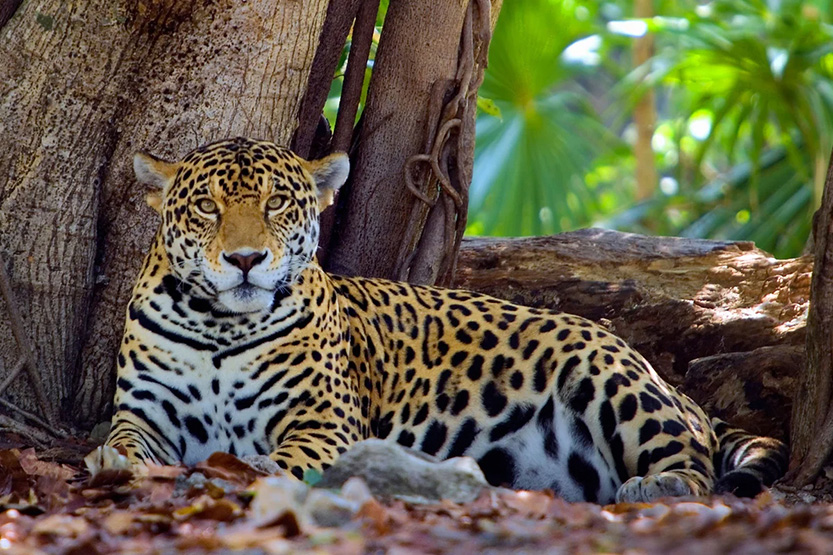
The Mexican Jaguar population has grown from 4100 animals in 2010 to 5326 in 2024 for a species that was feared to number fewer than 1000 animals across the country.
Dr Ceballos from the National Alliance for Jaguar Conservation led a census to track the big cats that now live throughout Mexico. According to Ceballos, three key factors drove this increase. First, Mexico maintained its network of protected natural areas where jaguars roam and hunt without human interference. Second, conservation groups worked to reduce conflicts between cattle ranchers and jaguars that often ended with the cats being killed. Third, a public awareness campaign transformed the jaguar into one of Mexico’s most recognised animals.
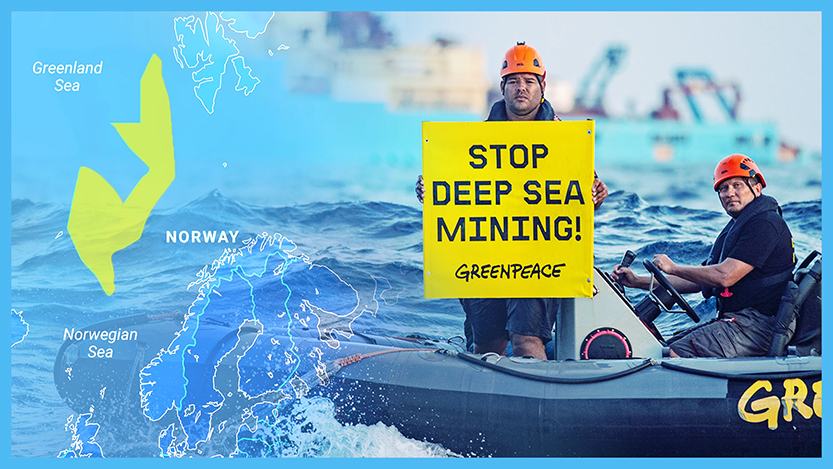
Norway’s government announced it will ban all deep-sea mining exploration and development in Arctic waters until at least the end of 2029. The deep-sea mining ban represents a significant challenge to an industry that argues these minerals are essential for renewable energy technology. However, expertise points to recycling as a viable alternative that could meet demand without destroying ocean ecosystems.
Current e waste (the fastest growing waste stream) contains substantial amounts of valuable minerals. Studies show that recycling existing electronics could recover up to 80 per cent of the cobalt, copper, and nickel currently locked in discarded devices.
The High Seas Treaty has come into force, marking a “historic milestone” for global ocean conservation. Covering almost half of the planet’s surface, the High Seas lie beyond national borders and form part of the global commons. Until now, there was no legal framework dedicated to protecting biodiversity in these international waters and ensuring the benefits of their resources were shared fairly among nations.
Wind and solar generated more EU electricity than fossil fuels for the first time in 2025.
The rise of citizen science is protecting nature by empowering the public to collect, analyse, and share vital environmental data, filling research gaps and informing government decisions.
A promising development in capturing microplastics. In research undertaken by a university in China, a biodegradable sponge removes up to 99.9 per cent of microplastics from water.
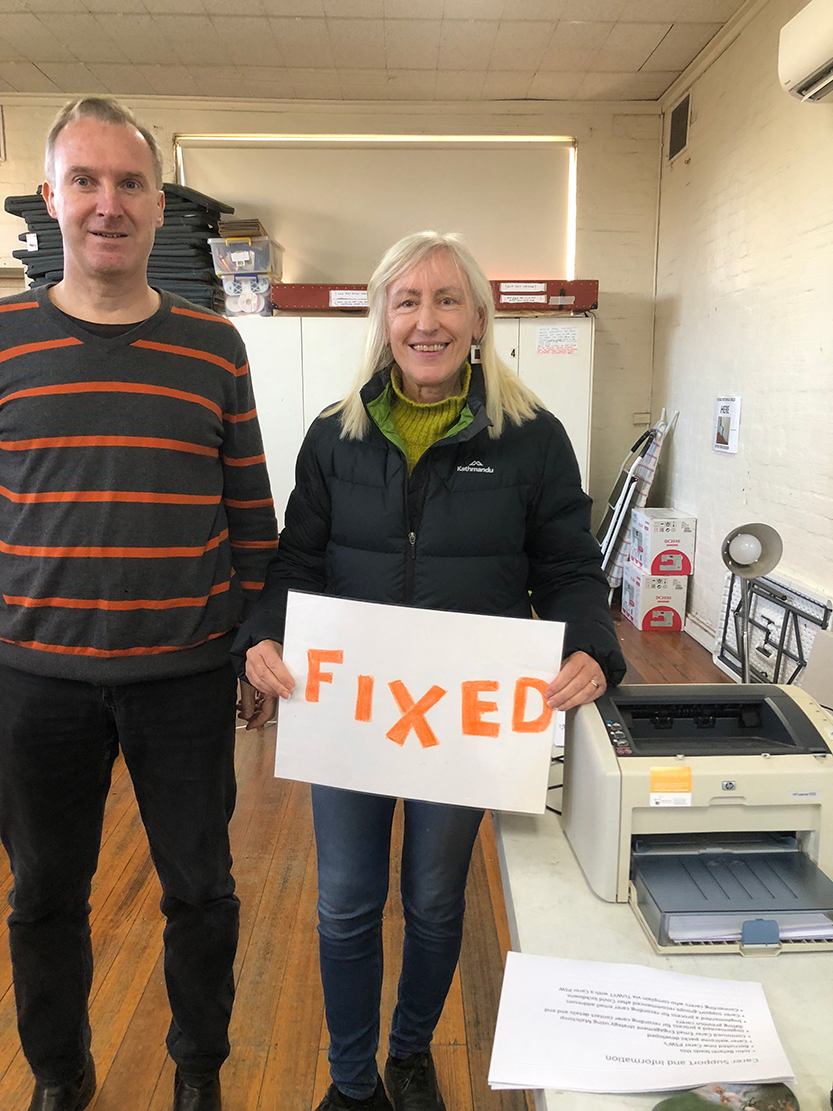
Closer to home, The Kensington Repair Hub has run more than 63 sessions, fixing nearly 1500 items and potentially keeping approx. 3000 kgs of hard rubbish out of landfill. •
Related Articles
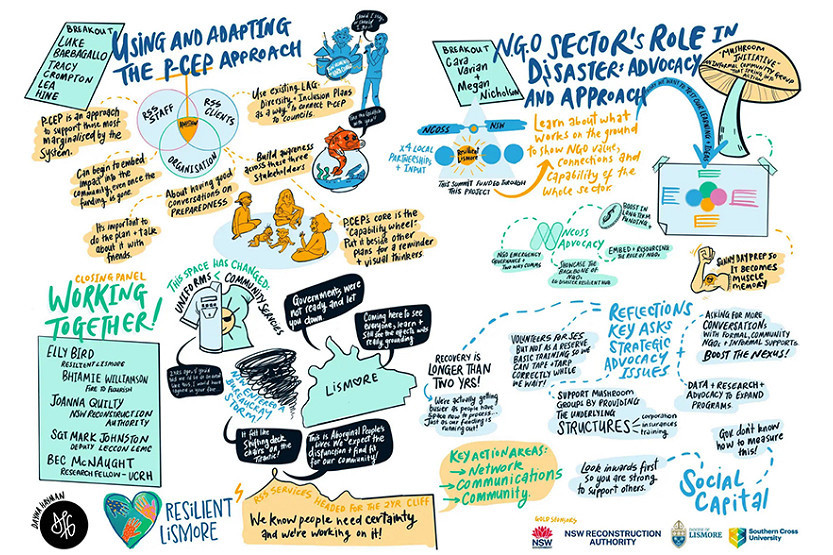
Preparing for the effects of multiple shocks – a fuel shortage, El Nino, flood and fire
Community groups are the cornerstone of local resilience.
Read More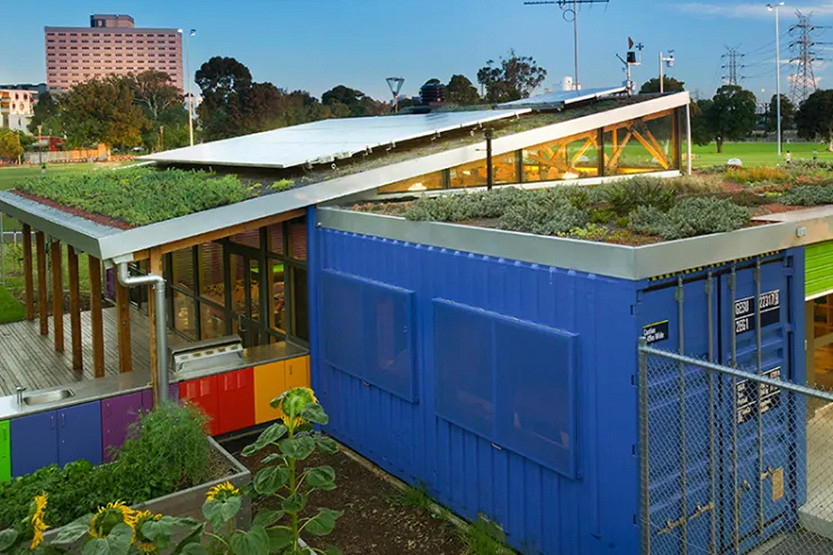
Cooling our neighbourhoods
Changes in land cover due to increased urbanisation can affect the urban environment and climate substantially.
Read More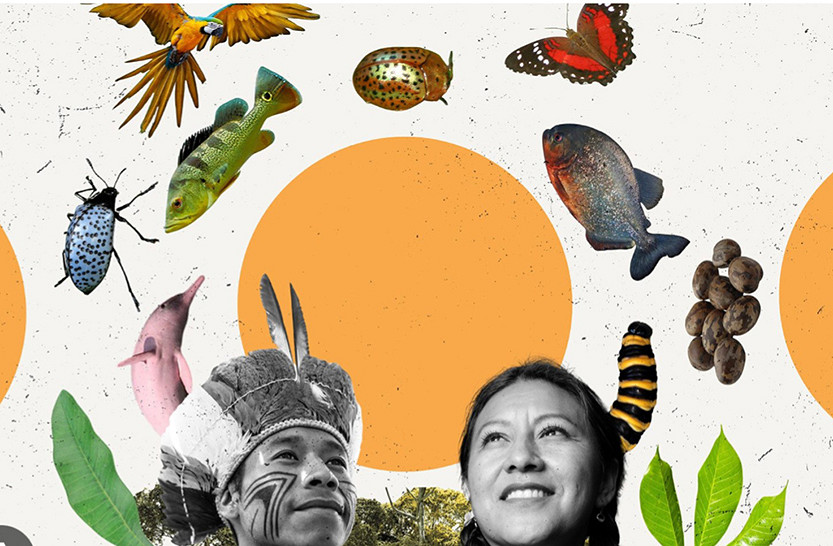
Are Indigenous decision-making processes required for new technological advances?
Indigenous decision-making processes have historically demonstrated high effectiveness through community-based, consensus-driven, and long-term sustainable approaches that have enabled resilience over thousands of years.
Read More
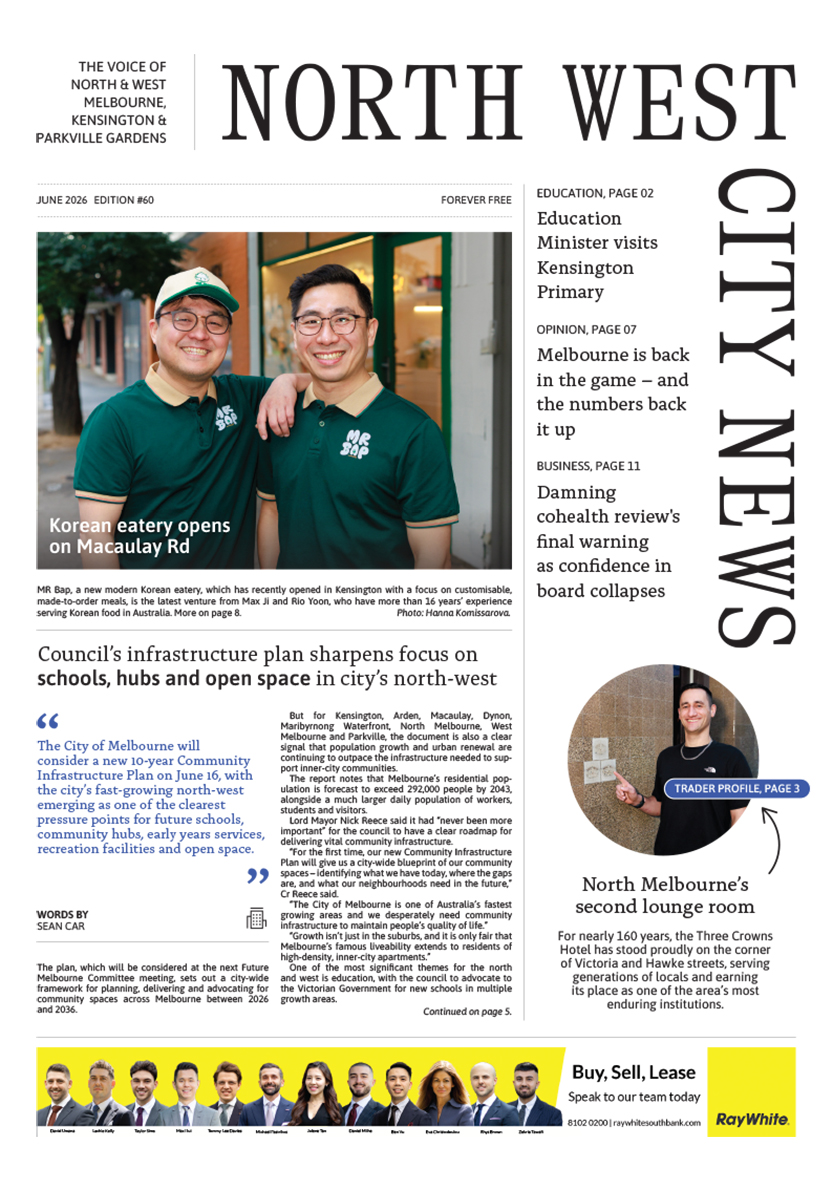
Council’s infrastructure plan sharpens focus on schools, hubs and open space in city’s north-west
Kensington church sold to faith-based community
 Download the Latest Edition