Compost critters reveal a complex picture
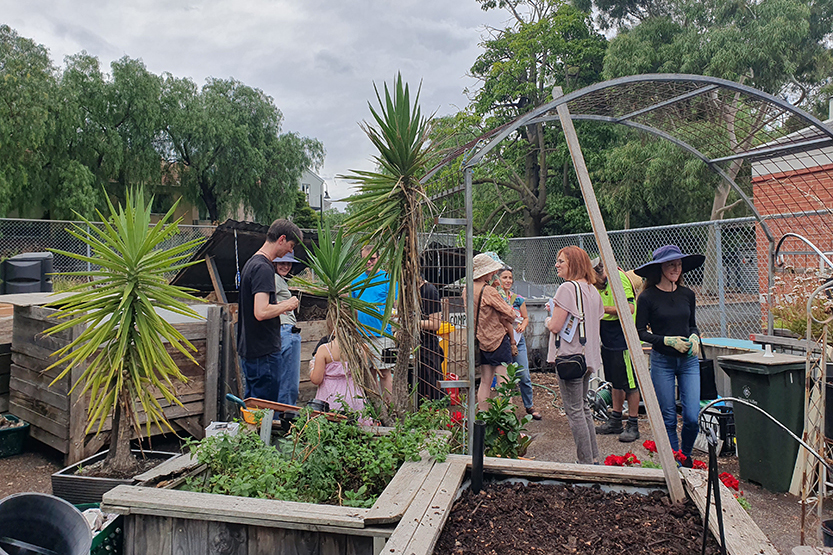
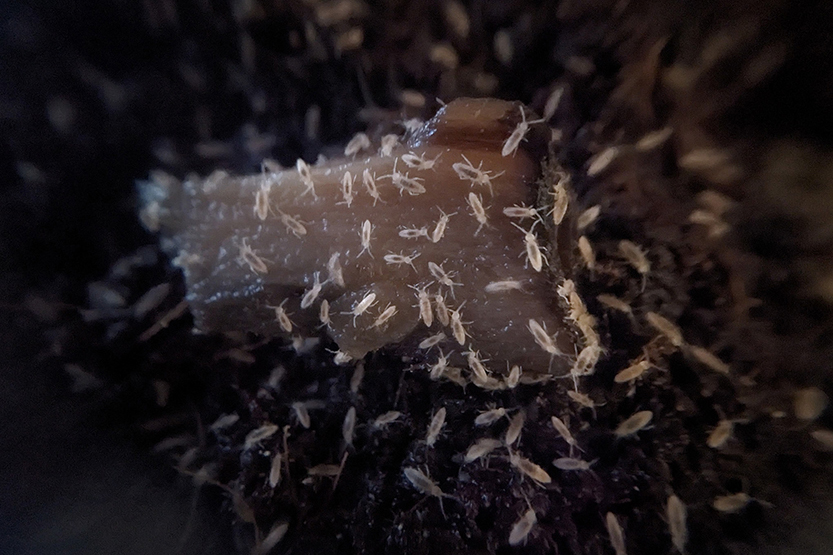
A group of local residents glimpsed and touched for themselves evidence of “the huge, complex food web under our feet” when they took part in an insect information session at a Kensington Compost Hub event last month.
When it comes to soil health, it is not just about worms, Dr Ian Smith will tell you.
Everyone tends to think of worms when it comes to gardening but there's a huge range of other insects that are just as beneficial to the garden that we don't really focus on because they're not as obvious, or sometimes we perceive them as pests, he told North West City News.
The entomologist had the same message for a group of around 20 participants at a recent BioBlitz event at the Kensington Town Hall and adjoining community compost hub.
The March 1 City of Melbourne-organised “Compost Critters” session promised to teach people about beneficial insects and using instruments to find them while also recording participants’ observations via the crowd-sourced science app iNaturalist.
“There were a lot of kids having fun, digging around, seeing what they could find,” Ian said of the event.
Also enjoying himself was Kensington Compost Hub secretary Dave Goodman, who was “super into” the session.
“I found it fascinating,” Dave said. “I’ve been the main composter at that site for eight or nine years and I’m sort of self-taught.
“A lot of the things we discussed I’ve known about in general terms, but I’ve now got a lot of specific information.”
The presentation Ian gave to the group described the “ecological niche” of around two dozen commonly found compost species.
For instance, the family of sap beetles, part of a range of “decomposer” beetles, would break down “your juicy, high sugar items” such as fruits and tomatoes, Ian said.
They were among multiple waves of creatures that move into a compost.
Also, part of the picture are flies of different types and sizes, predatory beetles, decomposing mites and springtails, which are “really at the end of the line – they will break down even what the worms didn’t break down”.
The story is thus not just about one species but “a whole ecosystem of insects and organisms, breaking down the soil and releasing those nutrients back into the environment”.
After looking at soil samples under a microscope the afternoon workshop group had split up and had taken turns inspecting specimens and searching the compost and garden for the creatures on Ian’s list, using hand lenses and soft forceps to do so.
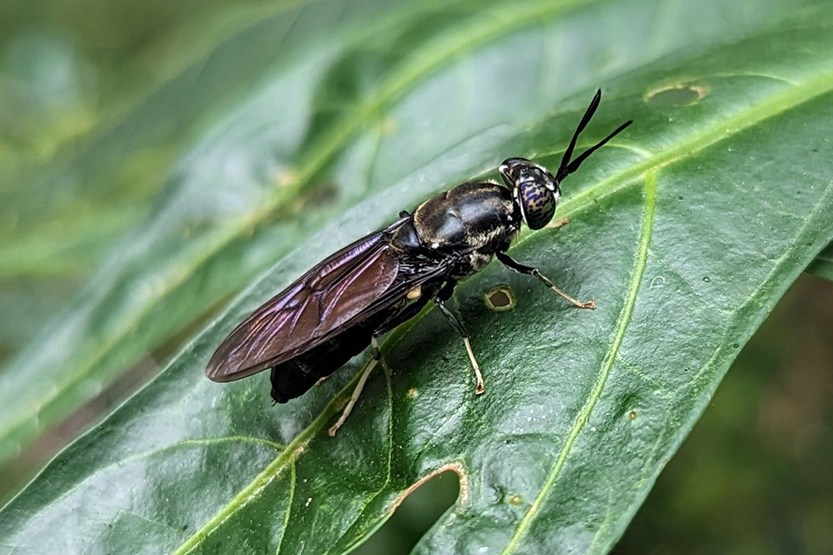
They found at least a third of them, including black soldier flies, ants, worms, earth mites, springtails and a couple of types of beetles.
While he had already known the hub’s compost was healthy, it was a type of validation to find the range of organisms in it that they did, Dave said.
Opened behind Kensington Town Hall in 2018 on land made available by the City of Melbourne, the community-run compost hub is an open-access public composting scheme to support local gardening and food growing.
It has since formed a network with five other community compost stations.
Anyone interested in finding a place to leave their fruit and vegetable waste can look for the nearest site at peels. app. •
Caption: Hermetia illucens – black soldier fly. Photo: Dr Ian Smith.
Related Articles
Master plan charts bold 20-year vision to grow and reunite Royal Park
The City of Melbourne has unveiled a sweeping new 20-year vision for Royal Park that seeks to make Melbourne’s largest inner-city park bigger, darker, greener and – ultimately – whole again.
Read More
North Melbourne courtyards and car park given green boost under council grants
Three residential greening projects in North Melbourne will share more than $200,000 through the City of Melbourne’s latest Urban Forest Fund grants program.
Read More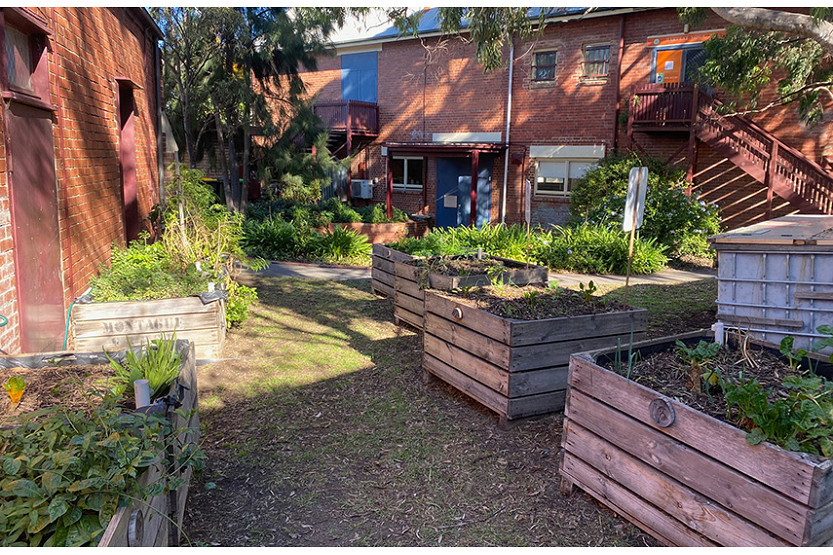
Garden rules to green inner north-west streets
Residents and businesses in North Melbourne, West Melbourne and Kensington will be able to more easily green their streets under new City of Melbourne guidelines designed to support community-led gardening outside the CBD.
Read More
Meet Ted – Brown Dog’s very own Brown Dog
New-look Joe Taylor brings Thai flavours to Errol St
 Download the Latest Edition